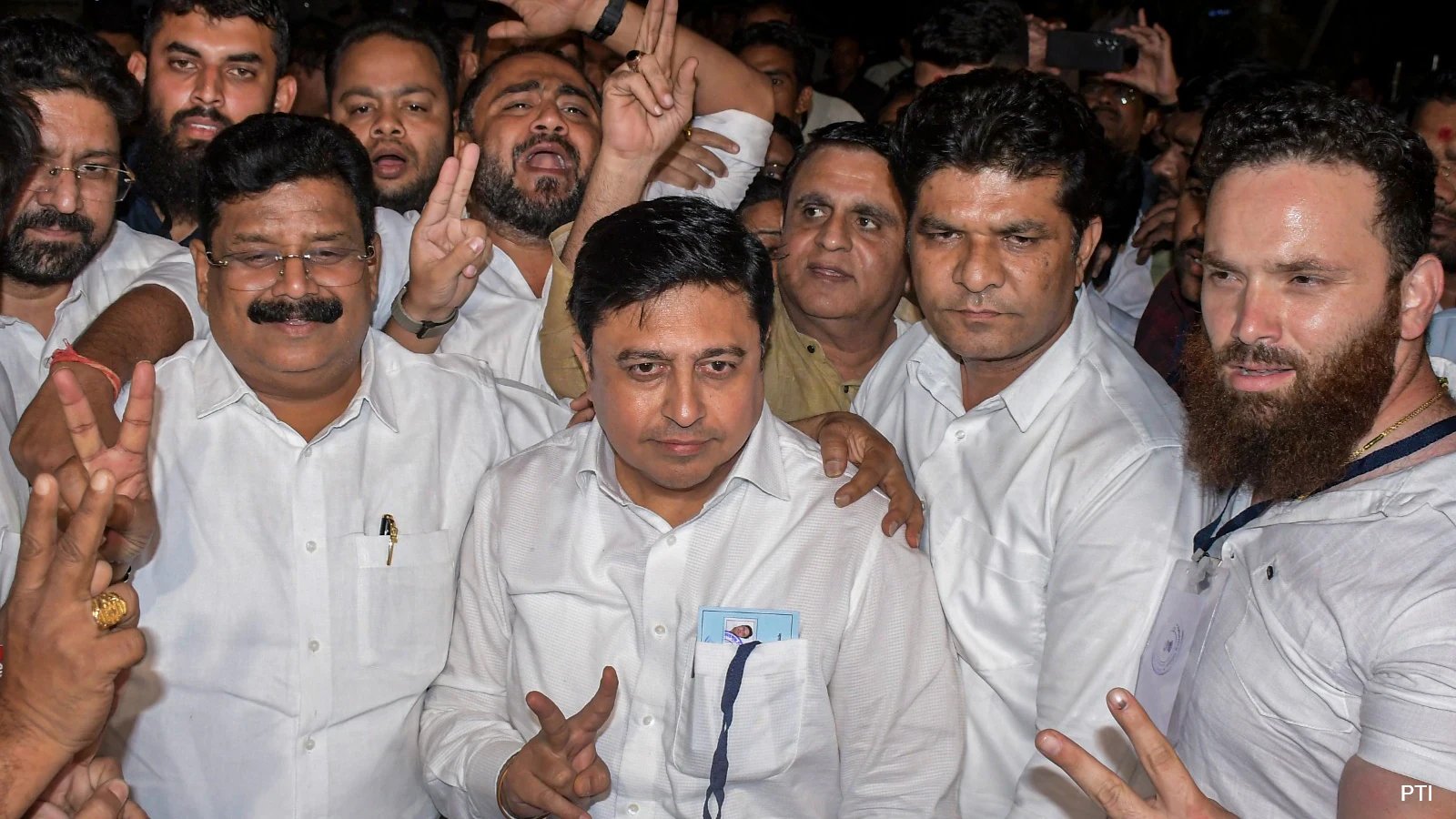
Abhijit Wanjarri captured the Nagpur Division Graduate constituency, flipping a BJP bastion that had stood unchallenged for 56 years. The seat had long been a pillar of the BJP, with Union Minister Nitin Gadkari holding it for two decades.
Wanjarri’s victory margin of 3,271 votes over Sudhakar Kohale was powered by 24,000 votes for independent candidate Nitesh Karale, whose rural, aggressive campaigning resonated with SC‑ST graduate voters. When first‑preference counts stalled, Karale’s second‑preference votes flowed overwhelmingly to Wanjarri, giving him a Plan B advantage.
Invalid ballots surged to 15,032 out of 165,906 cast—a record high. Nearly one in eleven educated voters mis‑marked their ballots, often confusing the preferential numbering system with traditional ticks or signatures.
Internal friction also weakened the BJP. Former MLA Anil Sole’s rebellion over the party’s nominee fractured local cadres, while the RSS’s misalignment further eroded coordinated campaigning.
The Election Commission and campaign teams failed to clarify the preferential voting rules, leaving many graduate voters uncertain. A graduate student in the constituency admitted confusion over the ballot’s numeric system.
The BJP now faces scrutiny over candidate selection and campaign strategy. Congress celebrates a historic win, and the BJP is expected to launch an internal review before the next election cycle.