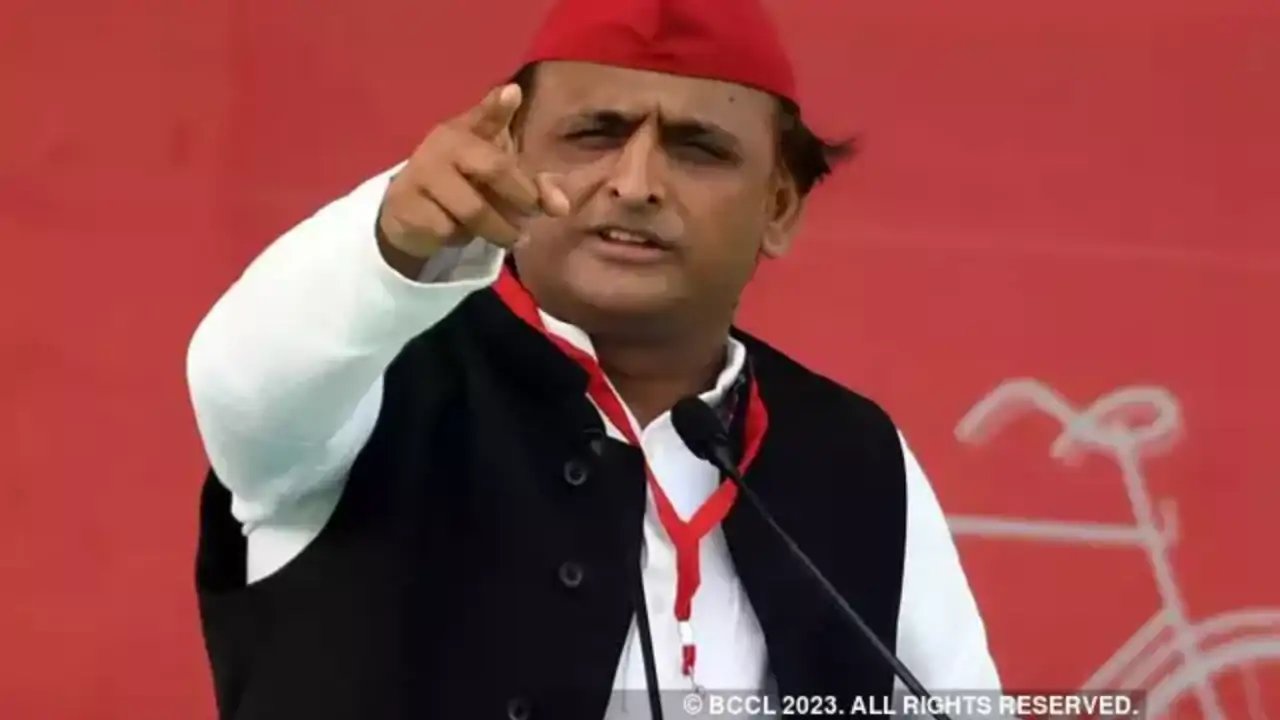
Akhilesh Yadav struck a triumphant tone on X after the BJP lost the Varanasi Graduates' Constituency in both the initial count and the recount, branding it a 'double defeat' for the state’s ruling party. The Samajwadi Party chief insisted this outcome wasn't just a by-election hiccup; it was a referendum on the government's education policies, specifically targeting the grievances of teachers and students. He argued that the 'educated unemployed' finally voted against the BJP, turning the 6-5 split in the 11-seat Legislative Council poll into a mandate for change.
Yadav framed the conflict in stark social terms, claiming the Pichhde, Dalit, and Alpsankhyak (PDA) coalition now commands 95% of the electorate. 'Those who are aggrieved are the PDA,' he stated, suggesting the BJP’s social engineering has backfired by uniting disparate groups against it. He dismissed the BJP’s six wins as the product of 'tampering' and 'manipulation,' alleging an existential crisis within the ruling party due to internal rifts. The SP chief even went so far as to declare his defeated candidates 'winners' in spirit, arguing they only lost to fraud, not to the voters.
The rhetoric shifted to the 2027 Assembly elections, where Yadav mocked the BJP’s candidate selection process. He claimed the party, once reliant on surveys, is now searching for viable candidates 'with binoculars' because their 'ticket window is empty.' This narrative of BJP disarray is central to Yadav’s strategy, positioning the SP not just as an opposition force, but as the inevitable alternative. He credited 'PDA sentinels' and young voters for monitoring the counting process, reinforcing the image of a disciplined, vigilant grassroots network.
The next major test will be the 2027 Uttar Pradesh Assembly polls, where Yadav believes the 'alertness and unity' shown in the MLC elections will translate into a full government mandate. Until then, the SP will continue to press the 'double defeat' narrative, leveraging the Varanasi loss to erode the BJP’s 'double engine' credibility in the state.