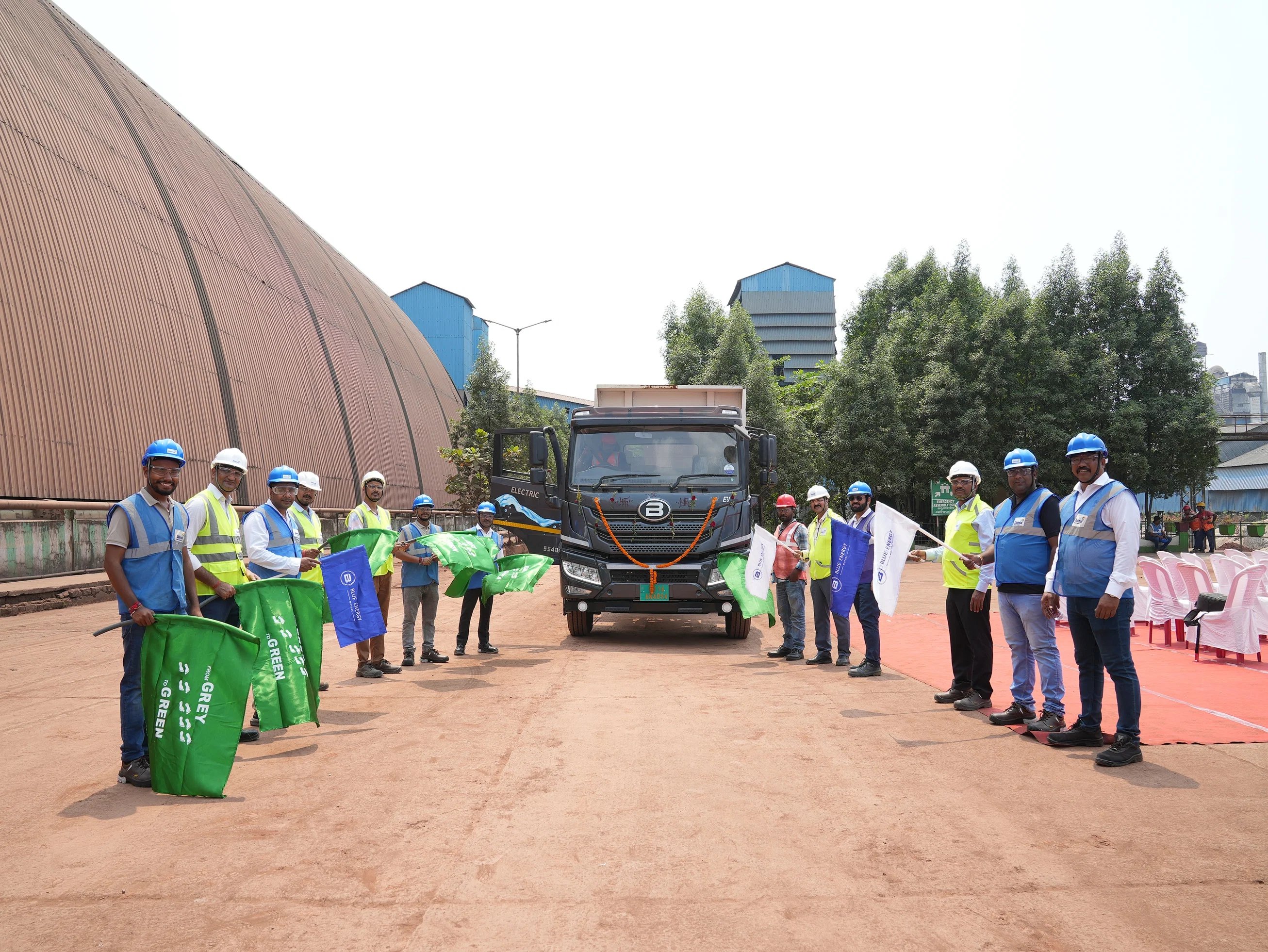
Tejas Cargo is now running a Blue Energy Motors electric heavy‑duty truck to move cement from its Rajgangpur plant, cutting the company’s Scope‑3 emissions profile.
The decision came after Dalmia Cement’s logistics manager, Chander Bindal, said the firm wants to make freight a larger part of its sustainability strategy. "Sustainable transportation will be a bigger part of our freight operations," Bindal told the press.
Blue Energy Motors, which already has over 1,400 green trucks on India’s freight corridors, said its fleet has logged 122 million kilometres and avoided 33,000 tonnes of CO₂. CEO Anand Mimani added that the company is pairing truck tech with energy‑as‑a‑service and maintenance support.
The truck sits in the same segment as Ashok Leyland’s electric LPT and Tata Motors’ e‑Truck, but Blue Energy claims lower operating costs thanks to its battery‑swapping model. Industry observers note that price‑competitiveness is a key driver for cement players looking to hit net‑zero targets.
The launch aligns with the Indian government’s 2025 heavy‑duty EV mandate, which includes a 30% tax rebate and a 15‑day registration window for electric trucks. These incentives aim to accelerate adoption across logistics chains.
Looking ahead, Tejas Cargo plans to add three more electric trucks to its fleet by the end of 2026, and Dalmia Cement is eyeing a similar rollout for its other plants. Buyers should watch how battery‑swapping networks expand, as that will dictate the practical range of these heavy‑duty vehicles.