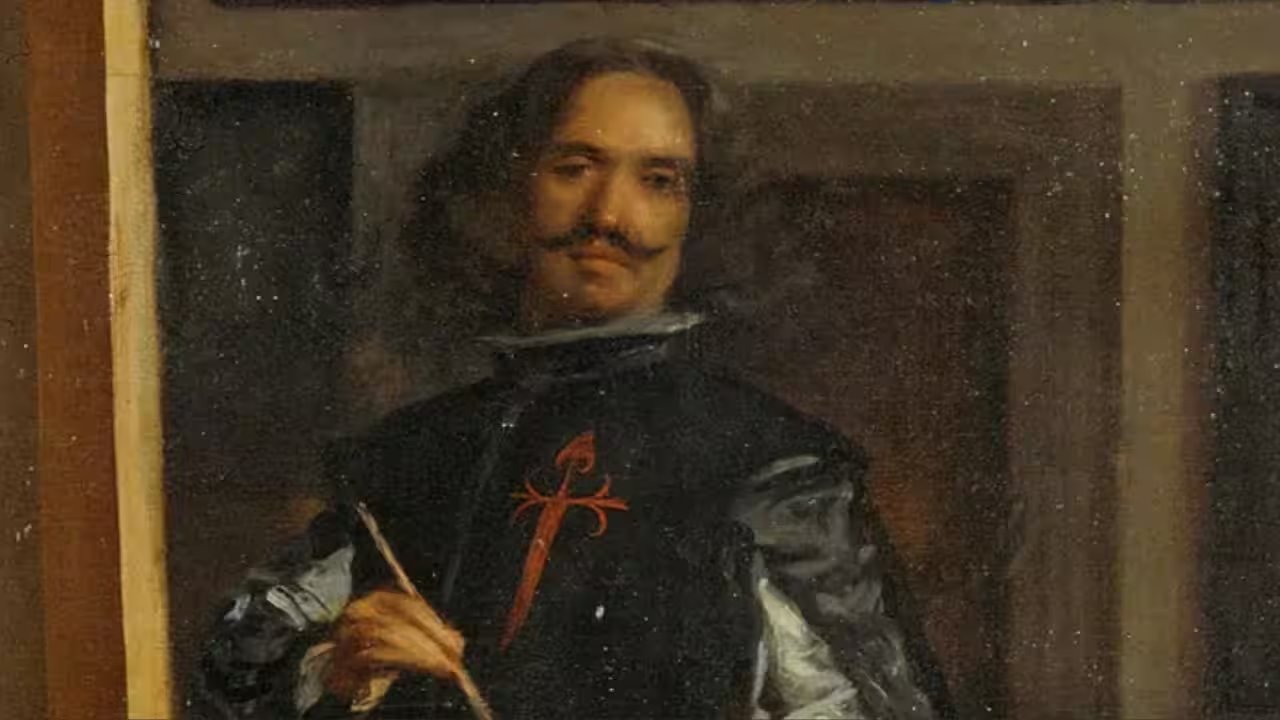
The J. Paul Getty Museum announced on 23 September 2026 that it had acquired the 17th‑century 'Portrait of the Count‑Duke of Olivares' from a private European collection, marking the first Velázquez in its permanent holdings.
Before this acquisition, scholars had only the famous engraving by Paulus Pontius, reproduced with a Rubens border, as evidence of the work's existence.
With roughly 120 surviving canvases worldwide, the painting fills a long‑standing gap in Getty's European roster, which has yet to showcase a Velázquez. 'Potts said the addition is a landmark for the museum.'
Measuring 60 by 48 centimetres, the canvas portrays Gaspar de Guzmán y Pimentel, the Count‑Duke of Olivares, a 17th‑century Spanish prime minister who wielded near‑absolute power. Velázquez likely painted it in 1626 as a diplomatic gift for Cardinal Francesco Barberini, a detail corroborated by a 1631 inventory of the Barberini collection.
The discovery was confirmed by Salvador Salort‑Pons after technical analysis revealed pentimenti unique to Velázquez.
The canvas will debut at the Getty Center’s East Pavilion before traveling to the Detroit Institute of Arts for a 2027 exhibition.