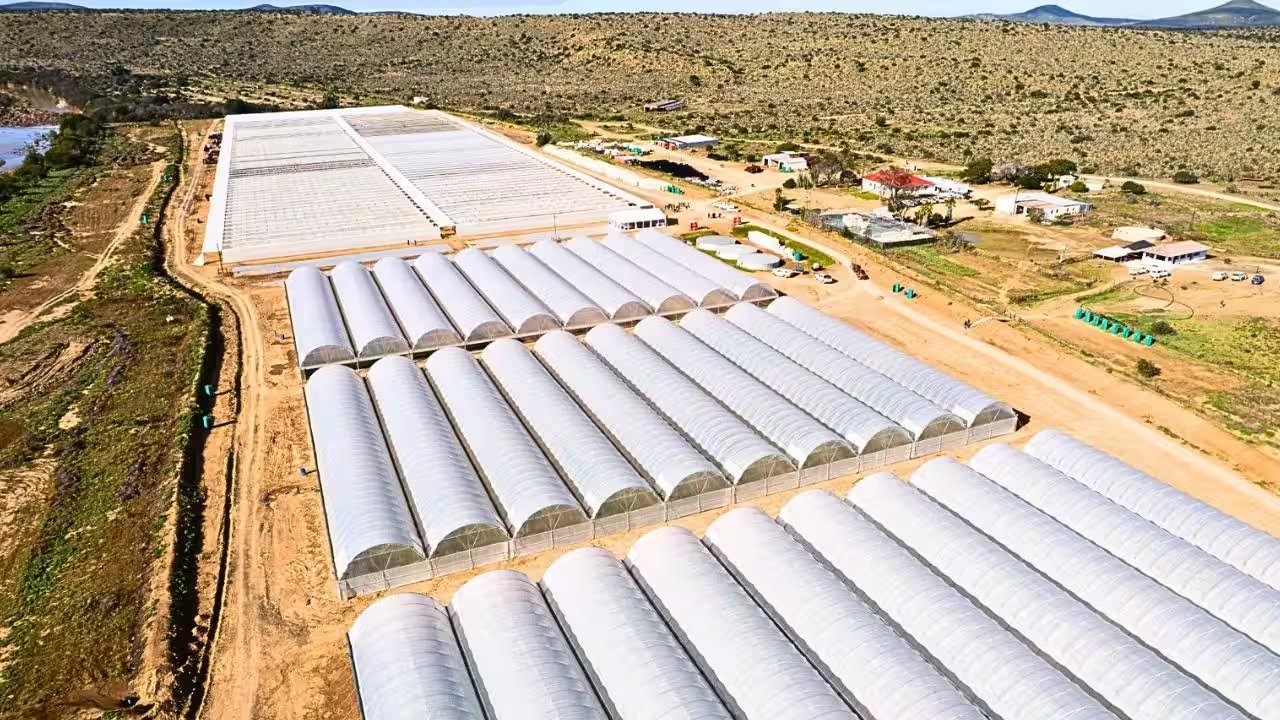
Amazon’s sustainability team announced a 180 million spekboom planting programme that will cover 50 000 hectares of degraded Eastern Cape land, starting this April and finishing by 2028. The first phase spans 10 000 hectares and already includes 30 million cuttings.
Spekboom, a hardy succulent that thrives in the region’s harsh climate, can remove carbon at rates comparable to young tropical forests. Dr. Mpho Ndlovu of the University of Cape Town said the species’ resilience could help the Albany thicket recover from decades of land degradation.
The project is expected to generate 11 000 jobs by 2030 and inject more than $500 million into local economies through wages, procurement and community investment. Local farmer Thandiwe Mkhize said she will receive training to manage spekboom plots and will benefit from landowner payments.
Amazon will also buy 1.95 million tonnes of carbon removal credits from the programme, the largest private‑sector commitment to nature restoration in South Africa’s history. The World Bank has launched a Spekboom Outcome Bond to back the credit stream.
Imperative, the ecosystem‑restoration firm running the work, will monitor biodiversity gains and report quarterly to Amazon and the South African Department of Environment, Water and Climate Change. The project’s next milestone is the issuance of the first batch of credits in September 2024.