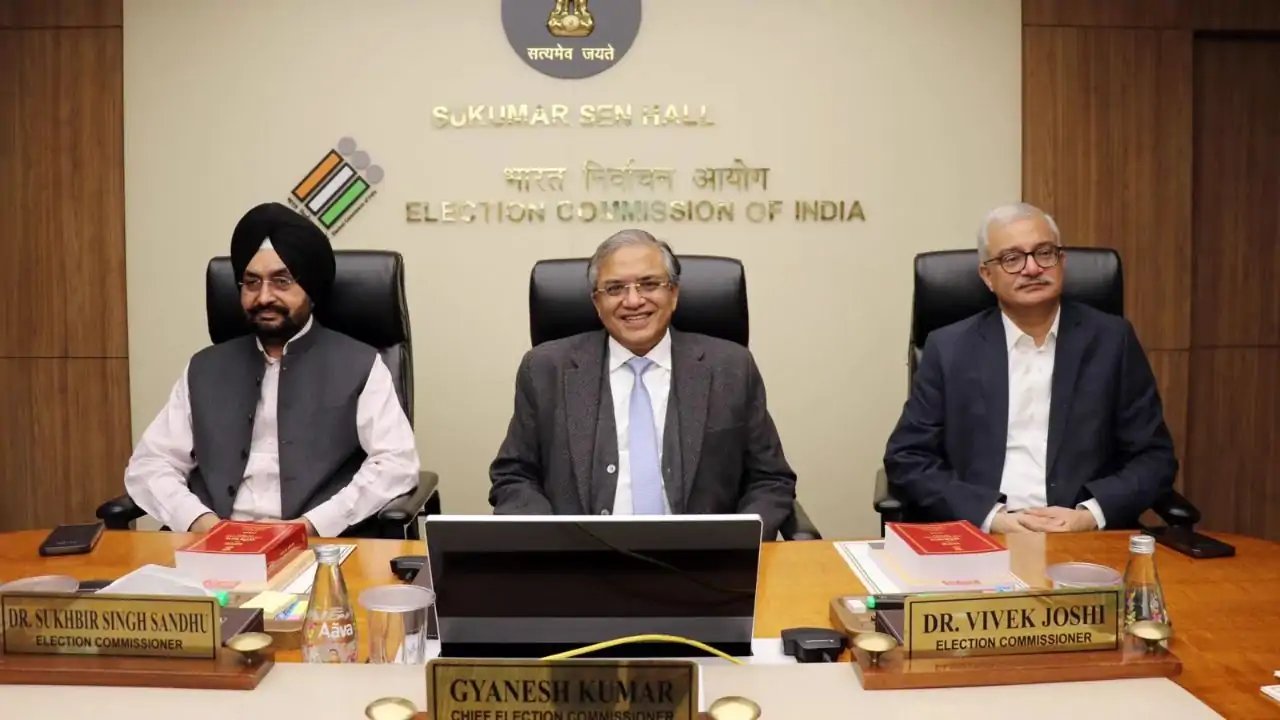
Election Commissioners Sukhbir Singh Sandhu and Vivek Joshi formally objected to the Special Intensive Revision (SIR) process 14 times over the last 10 months, alleging that critical deletions and data changes proceeded without their knowledge or approval. The dissent, recorded in official communications copied to Chief Election Commissioner Gyanesh Kumar, strikes at the heart of the current electoral cleanup, which has already purged 13.37 crore names from draft rolls across 30 states and Union Territories.
The conflict centers on procedural overreach. Sandhu and Joshi argued that a new question added to Form 6—asking if an applicant’s parents or grandparents appeared in previous rolls—violated electoral rules. Joshi warned in May that such a change required legislative amendment, not administrative fiat. Sandhu later labeled the move “unauthorised and illegal,” demanding its immediate removal. The change was implemented anyway.
Data control is the second flashpoint. The commissioners accused central authorities of “gradually centralising” the voter database, denying state-level Electoral Registration Officers (EROs) full access to the ERONet portal. They demanded an audit to ensure only statutory authorities could alter the rolls. In Goa, 97 voters deemed eligible by EROs were left off final lists because the software lacked a mechanism to reverse earlier deletions, despite Supreme Court directions.
The Supreme Court has already intervened, seeking explanations for notices issued to voters based on “logical discrepancies.” The apex court expressed concern over what it described as “mechanically generated” notices. Under Article 324 and the 2023 CEC Act, the Commission must function collectively, with decisions taken unanimously or by majority. Sandhu and Joshi reminded officials that communications in the Commission’s name require full approval.
The Election Commission has not responded to questionnaires seeking clarification on these internal disputes. The Supreme Court awaits the Commission’s response regarding the legality of the deletions and the handling of appeals in West Bengal, where judicial officers restored certain voters. The next hearing will determine whether the SIR deletions stand or are struck down.