If you drive in Gurugram, the era of hoping an officer isn't watching is ending. Maruti Suzuki India is pouring ₹75 crore into its Integrated Traffic Management System (ITMS), a figure that dwarfs typical CSR budgets for road safety. The goal isn't just surveillance; it's automation. The company is adding 1,000 new cameras to the existing network, bringing the total count to 1,400 units stationed across 93 junctions and 13 key road stretches.
The technical setup is specific. These aren't just static CCTV eyes. They are integrated with radar systems and Automatic Number Plate Recognition (ANPR) technology. The system scans for specific infractions: red-light jumping, speeding, riding without a helmet, triple riding, and wrong-side driving. Once a violation is flagged, the camera captures the registration number and beams the data to the Integrated Command and Control Centre (ICCC). No human discretion in the initial detection. Just data.
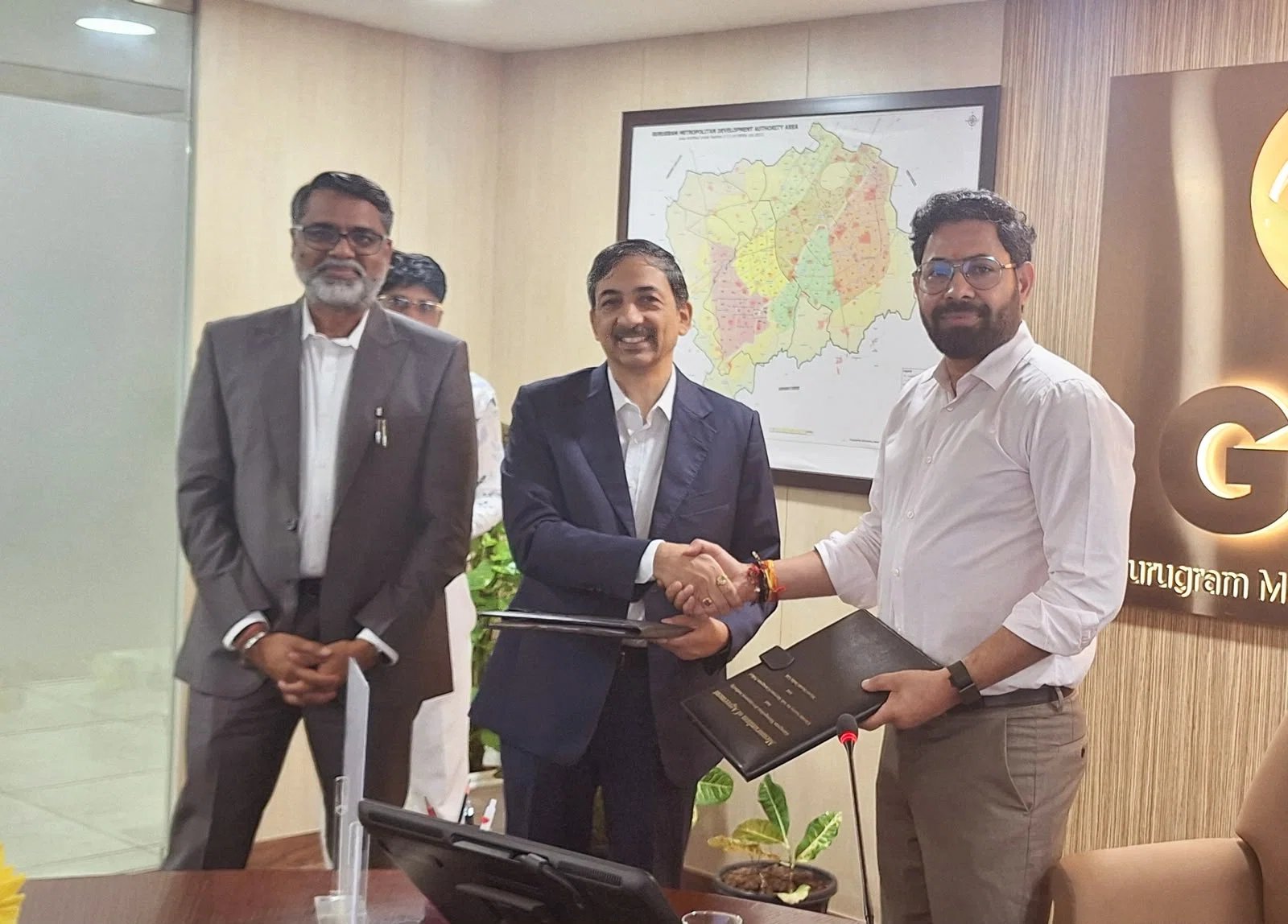
This project is a joint effort between Maruti, the Gurugram Metropolitan Development Authority (GMDA), and the Gurugram Police. The first phase, which covered 23 junctions and four road stretches with 400 cameras, laid the groundwork. Now, the second phase expands the net to cover 65km of critical arterial roads. For drivers, this means less reliance on physical checkpoints and more on digital enforcement. The response time for violations is expected to drop significantly as the ICCC coordinates directly with enforcement agencies.
Maruti frames this as part of a broader road-safety initiative, following a similar Traffic Safety Management System deployment in Delhi. The company has signaled plans to expand this ITMS model to other states. For the industry, this marks a shift where OEMs are not just selling cars but actively shaping the infrastructure that manages them. For the commuter, the message is clear: tech is watching, and the fines are coming automatically.