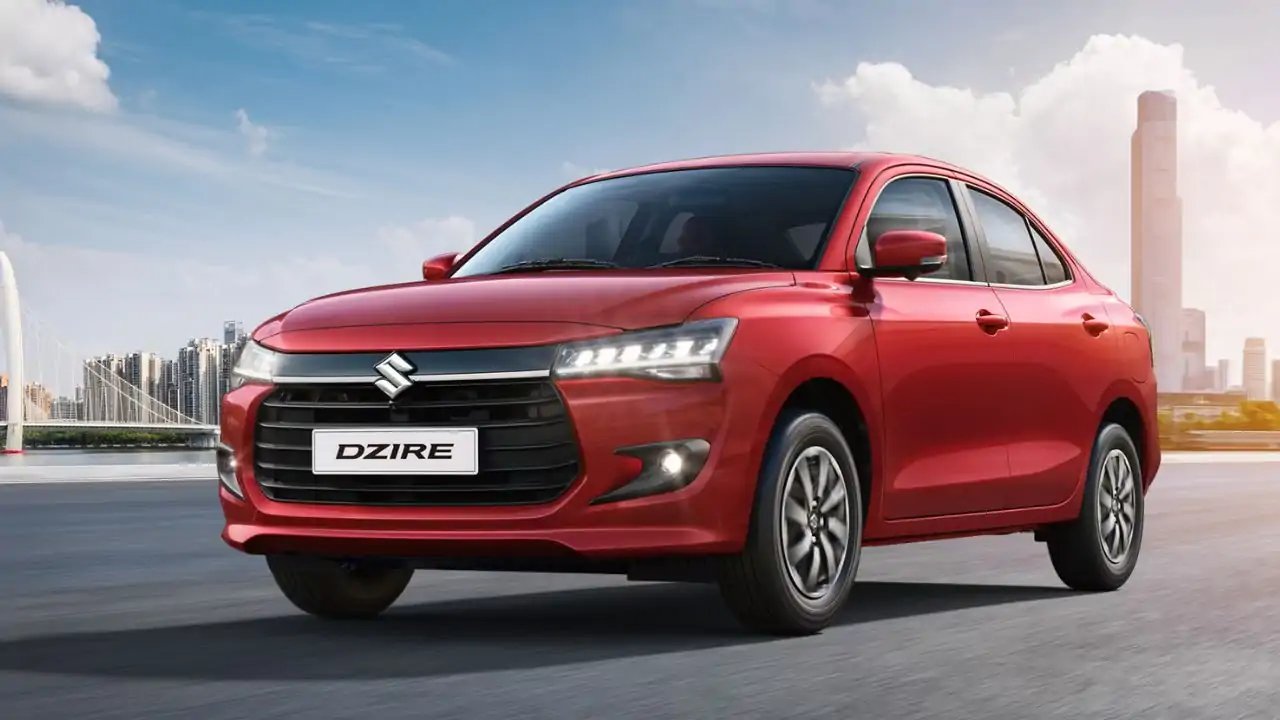
Maruti Suzuki racked up 1.82 lakh wholesale dispatches in September 2026, outpacing every other maker by a wide margin. The figure reflects a 36.9% year‑on‑year rise and a modest 2.8% month‑on‑month uptick, proving the brand’s resilience amid a shifting market.
Tata Motors, the second‑best seller, moved 68,810 units, up 15.3% YoY from 59,667 last September. Mahindra followed closely with 64,092 units, a 14% growth, leaving Tata only 4,718 units ahead—an indicator that the gap between the two is narrowing.
Hyundai secured the fourth spot with 57,166 units, a 10.9% YoY increase, while Kia posted the strongest yearly growth at 41%, dispatching 32,017 cars. These numbers suggest that buyers are still gravitating toward established brands, but the high growth at Kia signals fresh interest in newer, more affordable offerings.
From a buyer’s view, Maruti’s dominance means that the entry‑level segment remains highly competitive, with models like the Alto and Swift continuing to deliver the blend of low price, decent power (up to 55 bhp) and modest boot space (up to 290 litres). Tata’s appeal lies in its spacious SUVs and a growing electric portfolio, whereas Mahindra’s Thar and new electric “E‑Thar” keep the rugged‑vehicle niche alive.
The steady lift across all five brands also hints at a robust demand that could influence upcoming policy moves, such as expanded EV subsidies or duty relief for imported components. For the average buyer, this translates into a broader selection of price‑worthy models and a healthy resale market.
Looking ahead, Maruti is set to roll out a refreshed Swift in early 2027, while Tata plans a new electric SUV launch by late 2027. Kia’s next model, following its 41% growth, is expected in mid‑2027. Buyers should keep an eye on these launch windows to gauge price adjustments and feature upgrades.