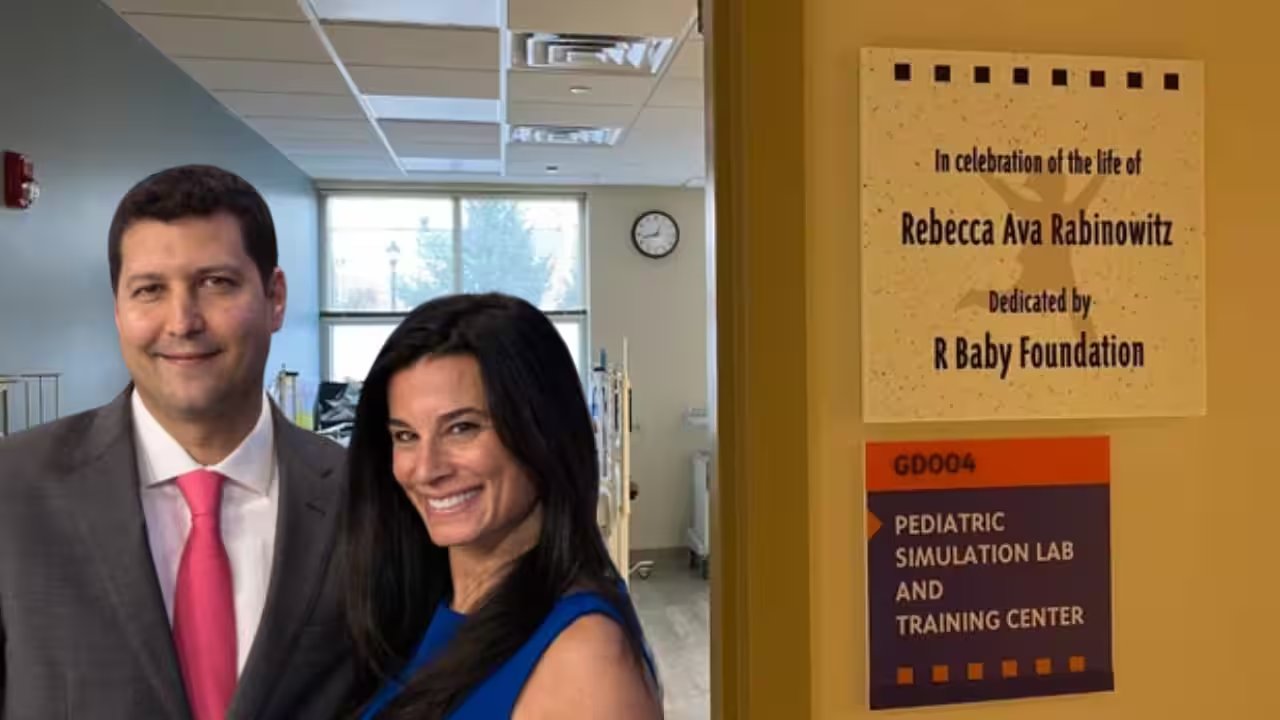
The R Baby Foundation’s work began after a newborn’s death in 2006, but its current impact is measurable: 6,500 physicians have completed simulation‑based pediatric emergency courses, a move that has already reached more than one million children each year.
Simulation drills mimic real‑world crises—severe breathing problems, shock, or sudden allergic reactions—allowing doctors to practice rapid assessment and intervention in a risk‑free setting. Dr. Maya Patel, a pediatric intensivist who completed the INSPIRE program, says the training has made a tangible difference: “I can spot the first signs of distress in a newborn within seconds now, and I feel confident in using the right equipment.”
The foundation’s data reveal that 83 % of U.S. emergency departments still lack the specialized tools or protocols needed for children. Every year, roughly 2,100 kids die in hospitals that are not adequately prepared. By equipping staff with the right knowledge and gear, the R Baby Foundation aims to bring that number down.
In addition to training, the organization pushes for policy change. Its advocacy helped pass pediatric emergency‑readiness laws in Texas, Florida and Utah, and it’s lobbying for the national Babies’ and Children’s Emergency Care Act (BECA). The act would mandate equipment standards and training requirements for all hospitals.
For families and healthcare providers, the takeaway is simple: check whether your local hospital meets pediatric emergency standards. If not, support or advocate for simulation training programs and the necessary equipment upgrades. The R Baby Foundation invites donors to contribute to the next cohort of training—every dollar can mean a life saved.
Ultimately, the foundation’s story underscores a clear lesson: preparedness is the first line of defense in pediatric emergencies, and the more we train, the fewer avoidable deaths we see.