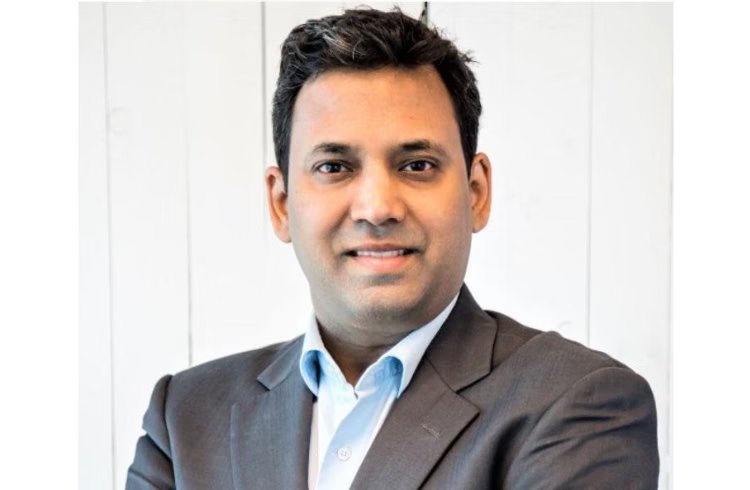
For anyone eyeing a Spiro e‑scooter, the arrival of a seasoned finance chief could mean a tighter grip on supply chains and a push to expand charging hubs, potentially lowering prices and improving availability.
Spiro’s new CFO, Ram Ramanathan, brings experience from IFFCO, Landmark and PepsiCo, all of which have navigated complex capital structures. His mandate to oversee capital allocation and governance signals that Spiro is gearing up to scale its operations beyond the current limited‑city footprint, a move that could bring the brand into cities like Chennai, Mumbai and Bangalore in the next 12 months.
In India, the electric two‑wheeler market is riding a wave of policy support—tax rebates, reduced import duties on batteries and a push for local manufacturing under the “Make in India” directive. Spiro’s commitment to invest in vehicle production and infrastructure, as outlined by Ramanathan, positions it to benefit from these incentives, potentially translating into lower on‑the‑road costs for consumers.
The CFO’s focus on building financial capabilities and governance also means Spiro can attract external funding more efficiently. This could accelerate the rollout of new models and the expansion of its charging network, a critical factor for buyers who rely on reliable service points. Spiro’s strategy to direct investments into charging hubs mirrors the approach of competitors like Bajaj and Hero, who are already expanding their service networks across tier‑2 and tier‑3 cities.
Looking ahead, Spiro is expected to roll out its next generation of e‑scooters in Q3 2026, with initial availability slated for Delhi and Bengaluru. Buyers should keep an eye on how the new CFO’s financial strategies play out, as they will likely dictate pricing, financing options and the speed of infrastructure deployment.