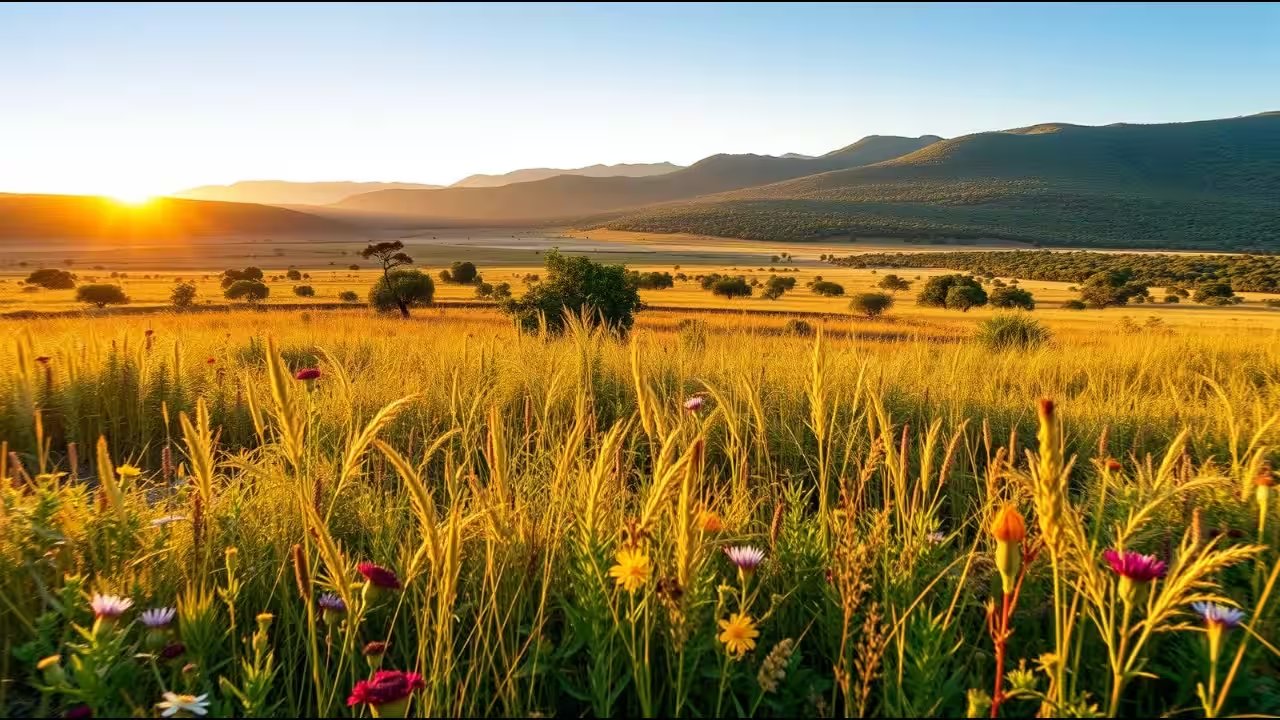
At the G20 Environment and Climate Sustainability Working Group ministerial meeting in Cape Town, Dion George unveiled ReLISA, a €15‑million, five‑year plan to heal degraded grasslands, savannas and thickets. Carsten Schneider, Germany’s Federal Minister for the Environment, praised the partnership, while Elizabeth Maruma Mrema of UNEP highlighted the global climate stakes, and UN Resident Coordinator Nelson Muffuh underscored the programme’s role in strengthening South Africa’s climate resilience.
ReLISA will cover 100,000 hectares across South Africa’s most threatened biomes, linking ecological restoration with expansion of protected areas and community stewardship. The focus on strategic water source areas aims to improve water retention and reduce erosion while bolstering biodiversity corridors.
The consortium driving the effort—UNEP, Endangered Wildlife Trust, UNDP, UNESCO, CSIR, C4 EcoSolutions and Unique Landuse—will concentrate on the Northern Drakensberg, Soutpansberg and Amathole ranges, where field officers will clear invasive species, guide rangeland management and collaborate with local land users.
Funding will be sourced through innovative mechanisms such as payments for ecosystem services, carbon credits and water‑fund arrangements, aiming to attract impact investors and agribusinesses to sustain restoration beyond short‑term grants. Early stages of a proposed biosphere reserve in the northeastern escarpment between Royal Natal National Park and Memel signal the programme’s commitment to connecting conservation units.
Local herders in the Drakensberg are already training in sustainable grazing practices, hoping the restored lands will secure water for their families and preserve wildlife corridors. The next steps include formalizing the biosphere reserve proposal and launching the first round of community‑led restoration projects by early 2026.