The 2026 US midterm election is set to break every financial record in American political history. Opensecrets, the independent campaign finance watchdog, projects total spending will reach $11.9 billion by November 3. That figure represents a 30% jump over the 2022 cycle, driven largely by an unprecedented influx of cash into Super PACs.
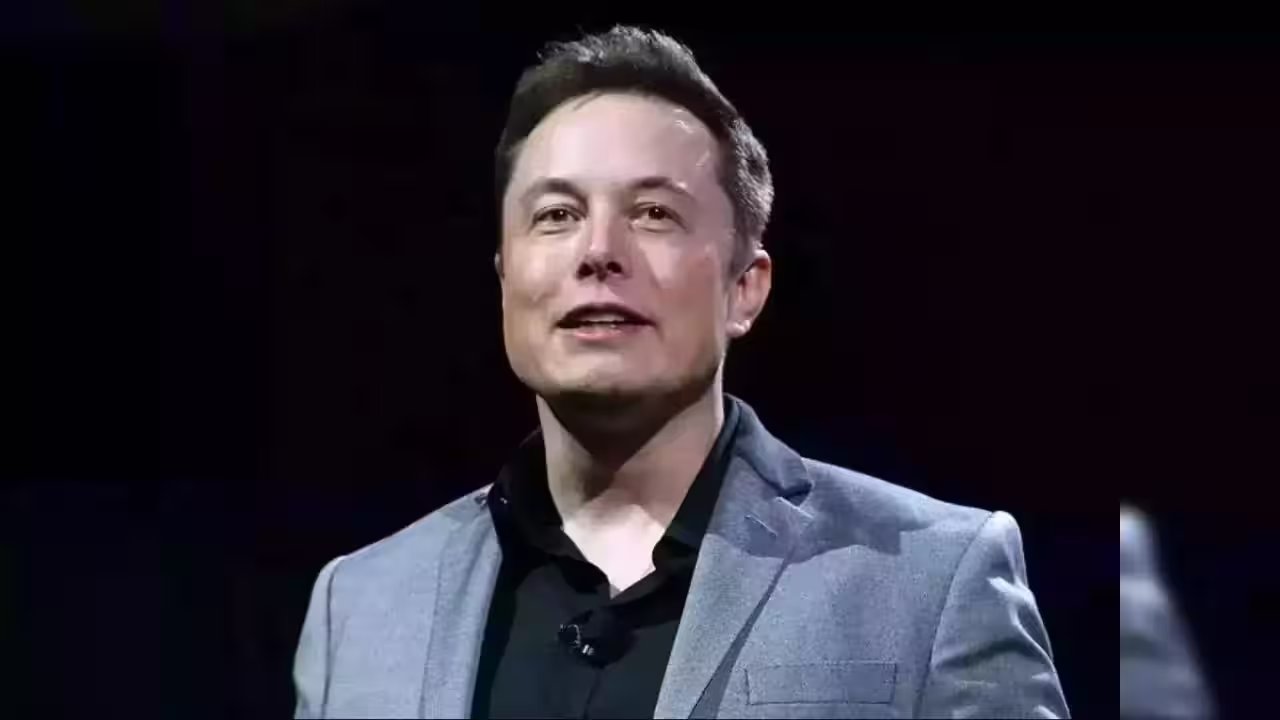
Elon Musk is the engine behind this financial explosion. The billionaire has poured nearly $500 million into the race, primarily targeting the Texas Senate contest where Republican Ken Paxton faces Democrat James Talarico. His America PAC has spent over $45 million in Texas alone, while also funneling $10 million each into Michigan and Ohio races. This dwarfs other major donors; Michael Bloomberg has contributed over $60 million to Democrats, and the Uihlein family has given more than $100 million to Republicans, but no one matches Musk’s volume.
The money isn't just coming from tech moguls. The crypto industry is a significant new player. Ripple and Coinbase have jointly donated $63 million to Super PACs advocating for the sector. On the liberal side, George Soros’s organizations have contributed $102 million. According to the Brennan Center for Justice, the top 40 donors have already committed $2.4 billion by October 14, a record for this stage of any midterm cycle.
Where does all this cash go? Mostly to screens. AdImpact tracked $11.15 billion spent on political advertising through the end of October. Michael Beckel, a campaign finance expert, notes that while digital ads are rising, traditional broadcast TV still captures the lion's share of the budget. The sheer volume of ads suggests a voter landscape saturated with messaging, far outpacing the grassroots outreach and rally costs that typically dominate smaller campaigns.
Complete financial disclosures will only arrive after the November 3 election. Until then, the FEC filings show a race where outside groups control more than half the spending pie. The final tally will likely confirm that money, not just votes, is deciding the shape of the next Congress.