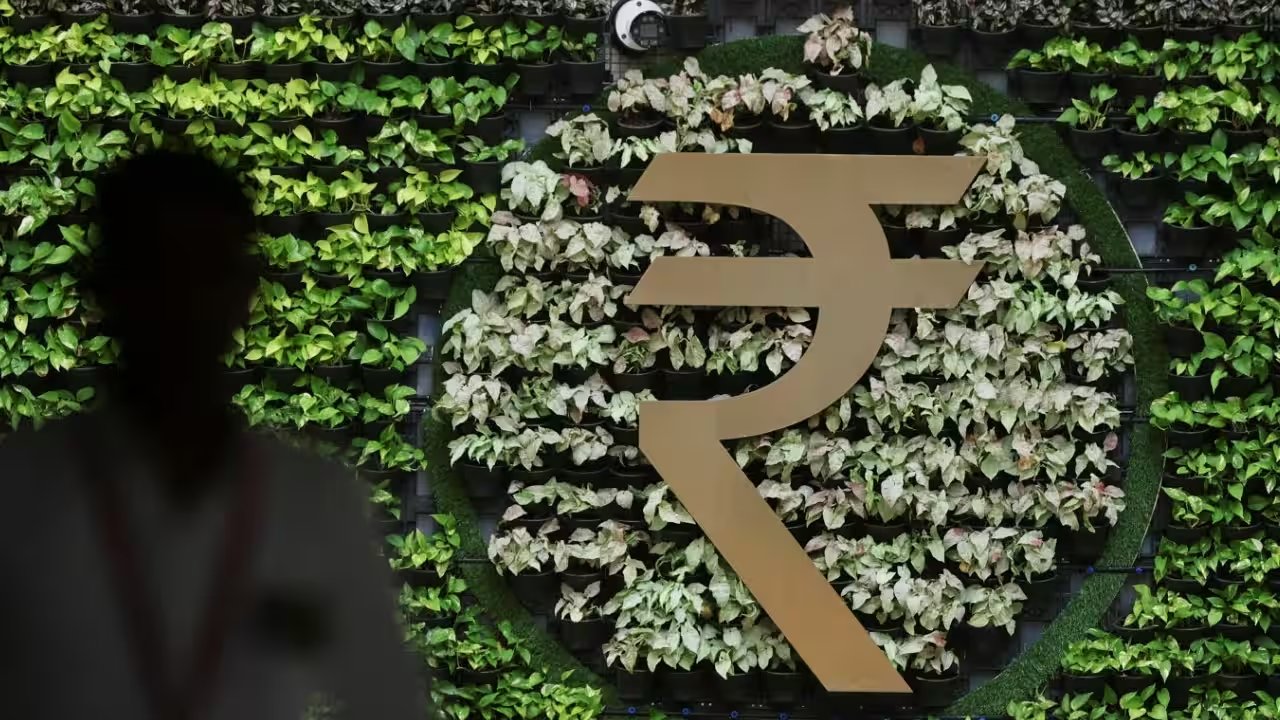
The Reserve Bank of India (RBI) announced on Tuesday that it will reverse the expansion it rolled out in January, cutting the period exporters can realize and repatriate proceeds from shipments or invoices from 15 months to nine months, effective from October 2026. The change comes amid a sustained depreciation of the rupee, prompting the RBI to tighten foreign‑exchange controls.
The amendment also revises the window for goods sold to overseas warehouses, trimming the allowance from 15 months to nine months from the sale date. For export invoices settled in Indian rupees, the window is reduced from 18 months to 12 months, aligning the policy with the earlier 18‑month regime that had taken effect in October.
While the tightening looks severe, the RBI has retained a safety net: authorized dealers can still extend the deadline if an exporter presents a credible reason for delay and the dealer is satisfied with the justification. A small textile exporter in Gujarat, for instance, has already begun drafting extension requests for its upcoming shipment.
The move signals the RBI’s intent to curb a surge in foreign‑exchange outflows that could erode reserves. By tightening the repatriation window, the central bank hopes to preserve liquidity for domestic needs while maintaining a tighter grip on the currency’s volatility.
Exporters now face a clearer but more constrained cash‑flow horizon. Those who rely on the 15‑month window will need to recalibrate financing plans, and banks are expected to issue new guidelines on how to apply for extensions in the coming weeks.