Chennai breathes cleaner air than Delhi. Yet in both cities, foul air is quietly driving a metabolic emergency.
A multi-year study tracking 12,064 adults across both metropolises found that the dirtier a person's neighborhood air, the steeper their chance of developing type 2 diabetes. For years, clinicians pointed fingers strictly at sedentary habits, ultra-processed food, and expanding waistlines. Those factors matter. But the microscopic particulates hanging over India's urban streets and rural hearths are doing distinct biological damage of their own.
National health statistics reveal the scale of the crisis. The sixth National Family Health Survey (NFHS-6), carried out between 2023 and 2024, found that 20.9% of men and 17.8% of women aged 15 and older registered high blood sugar or were taking diabetes medication. That marks a sharp climb from the 15.6% of men and 13.5% of women recorded in the previous survey cycle between 2019 and 2021. In Chennai district alone, nearly three in every ten women fall into this high-risk category. The surge across the country is jagged. Over 90 districts recorded a jump of more than 10 percentage points among men, led by Uttar Pradesh, Karnataka, and Odisha.
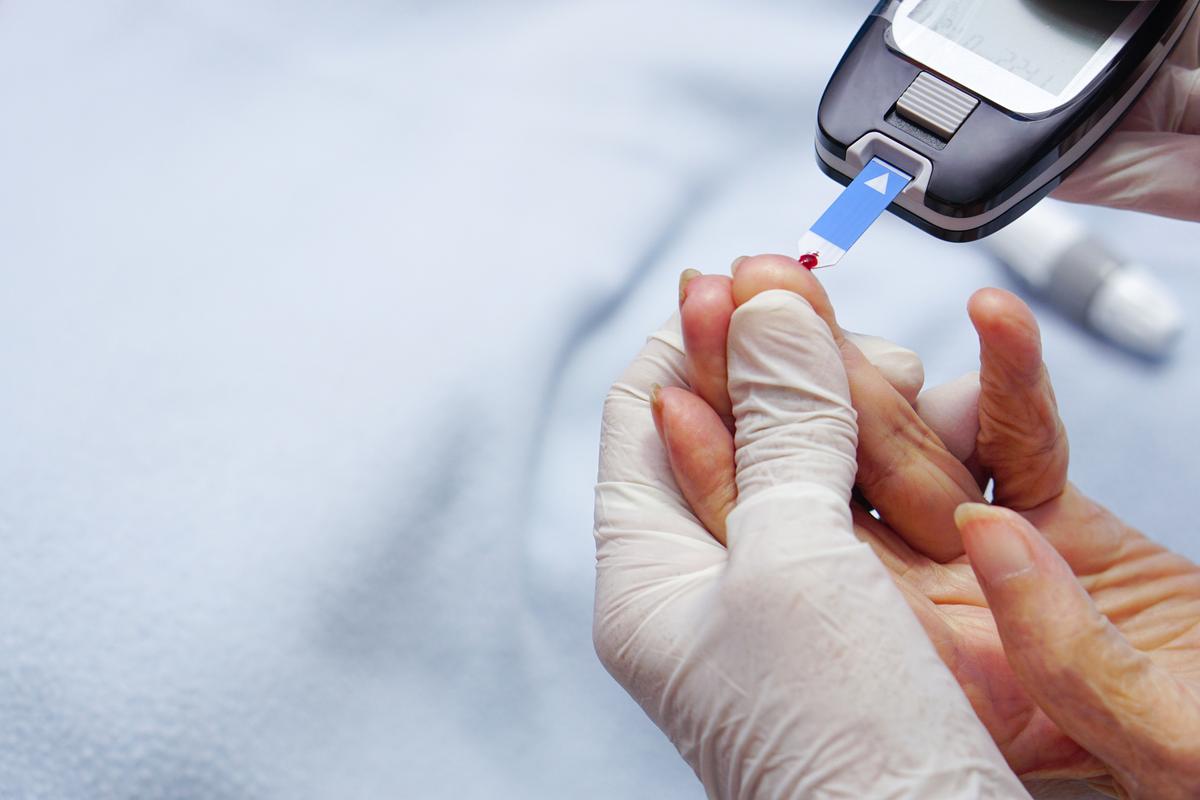
While the survey's single random finger-prick test—flagging any reading over 140 milligrams per decilitre—cannot provide a definitive clinical diagnosis, it exposes an unmistakable upward curve.
Researchers at the Centre for Chronic Disease Control in New Delhi, led by Siddhartha Mandal, tracked residents over a median period of nearly five years using satellite observations and local weather models to estimate daily fine particulate levels (PM2.5) outside each participant's doorstep. Between 2010 and 2016, yearly PM2.5 averages hovered at 40.2 micrograms per cubic metre in Chennai—just grazing the national threshold of 40—compared to a suffocating 101.5 in Delhi.
During the follow-up window, 743 participants developed type 2 diabetes. The data revealed a direct pattern: every additional 10 micrograms of PM2.5 in an individual's annual exposure raised the risk of developing type 2 diabetes by 22%. That correlation held steady even after researchers stripped out the confounding effects of age, household income, alcohol intake, tobacco use, diet, and physical activity. By comparison, similar studies conducted across cleaner, high-income nations have typically recorded risk spikes between 7% and 11%.
| Exposure Metric & Cohort | Recorded Value / Finding | Comparative Risk / Context |
|---|---|---|
| Chennai Average PM2.5 (2010–2016) | 40.2 µg/m³ | Just above national ceiling (40 µg/m³) |
| Delhi Average PM2.5 (2010–2016) | 101.5 µg/m³ | Over 2.5 times the national ceiling |
| Multi-City Diabetes Cohort | 12,064 adults | 743 incident cases over ~5 years |
| PM2.5 Risk Factor (Per +10 µg/m³) | +22% Type 2 diabetes risk | Indian risk double that of Western cohorts (7–11%) |
Biology explains the connection. A global review synthesizing 46 clinical and environmental studies confirmed that inhaled PM2.5 and coarser PM10 particles unleash systematic internal damage. These tiny particles travel deep into lung tissue, triggering chronic inflammation and oxidative stress. The resulting reactive oxygen molecules degrade cellular communication, blunting the body's sensitivity to insulin—the vital pancreatic hormone tasked with moving glucose out of the bloodstream and into energy-producing cells.
The danger does not vanish behind closed doors. In rural districts, the hearth presents an equal, if not sharper, metabolic threat.
Between 2018 and 2021, investigators from the Madras Diabetes Research Foundation evaluated 13,877 adults across 30 villages in Cheyyur taluk, located in Tamil Nadu's Chengalpattu district, under the TREND project. All but 208 of the surveyed participants lived in dwellings that burned traditional biomass fuels such as firewood or kerosene for daily cooking.
Diabetes prevalence stood at 14.2% among solid-fuel households compared to 12% in homes with cleaner energy. That figure rose to 16.5% in cramped homes operating without a separate kitchen space. Among women—who face the heaviest daily exposure over cooking fires—traditional fuel use was linked to 80% higher odds of developing diabetes, after adjusting for age, weight, family medical history, schooling, and income. A broader synthesis of nine separate studies covering 45,620 individuals similarly established 46% higher diabetes odds among solid-fuel users, though links narrowed in homes relying purely on dung or raw wood.
Government social programs have reshaped parts of this landscape. Liquefied petroleum gas (LPG) access under the Pradhan Mantri Ujjwala Yojana helped expand clean cooking fuel usage to 58.6% of households in 2019-21, up from 43.8% in 2015-16. Yet even with that rollout, roughly three out of ten Indian households—principally in rural belts—remain dependent on kerosene, wood, and crop residues.
Gaps in public tracking persist. The central health ministry released the NFHS-6 state fact sheets on May 29 without paired data cross-referencing cooking fuels and blood sugar levels in the same households. While the Health Ministry stated that auxiliary administrative databases and specialized national surveys monitor these energy indicators, those alternative surveys do not collect clinical blood samples, obscuring the precise epidemiological overlap.
With the World Health Organization designating early screening and systemic intervention as the core focus for World Diabetes Day on November 14, public health specialists stress that clinical remedies must expand. Managing blood glucose requires balanced diets and regular medical checkups. But without policy action targeting factory emissions, vehicular tailpipes, and rural chulhas, millions will continue breathing in the very particles that throw their metabolic systems off balance.
| NFHS-6 High Blood Sugar (Men 15+) |
| 20.9% |
| Climbed from 15.6% in NFHS-5 |
| NFHS-6 High Blood Sugar (Women 15+) | 17.8% | Climbed from 13.5% in NFHS-5 |
| Cheyyur Rural Hearth Exposure | 13,877 adults | 80% higher diabetes odds for women using biomass/kerosene |