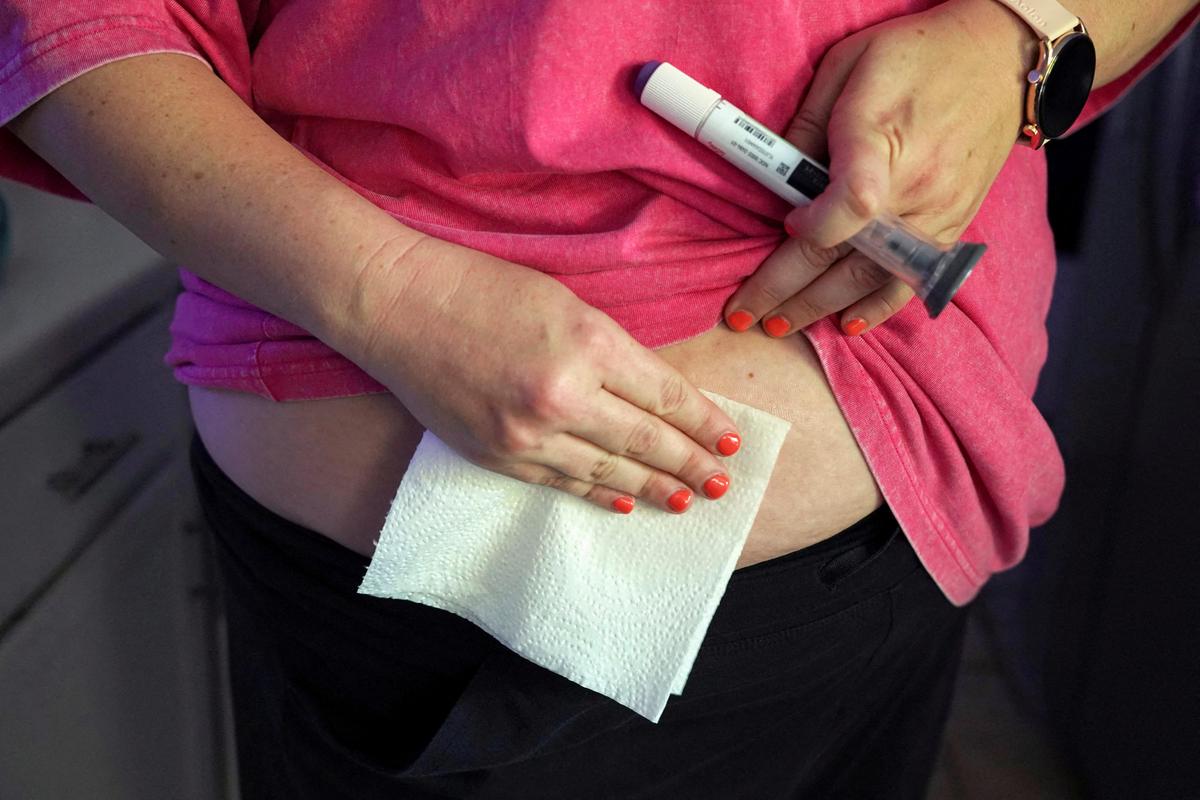
Body Mass Index is misleading millions.
Only between a quarter and a third of people currently categorized as obese actually suffer from poor health, according to a sweeping global investigation published in Nature. The research examines clinical records from nearly 850,000 adults across China, Britain, the United States, and Spain. It delivers an urgent verdict on modern medicine's default weight yardstick: weight-to-height math alone fails to pinpoint who is genuinely sick.
The World Health Organization calculates that obesity now grips more than one billion people worldwide. For decades, clinics flagged anyone with a BMI of 30 or higher as diseased, tying the label directly to elevated risks of type 2 diabetes, cardiovascular failure, liver damage, kidney disease, and cancer. Yet the data demonstrates that relying strictly on height and weight creates vast clinical blind spots.
The study—led by senior author Francesco Rubino, professor and chair of metabolic and bariatric surgery at King's College London—proposes junking single-metric diagnoses in favor of a two-tier framework: pre-clinical and clinical obesity.
Under this model, doctors check both BMI and direct body fat distribution, measuring waist circumference while screening for active organ dysfunction. A patient carrying substantial excess fat without heart strain, fatty liver, or impaired blood sugar receives a diagnosis of "pre-clinical obesity"—a clear risk factor, but not an active systemic illness. Only patients displaying observable organ damage or metabolic failure receive a diagnosis of "clinical obesity," qualifying them for urgent, aggressive medical interventions.
Across the nearly 850,000 patients analyzed, an average of just 27% of individuals with obesity met the threshold for clinical disease. That cohort accounts for roughly 8.5% of the total adult population.
The inaccuracy of BMI measurements was well-known. But we haven’t so far got a better system. The new framework can provide a meaningful clinical characterization of obesity that can inform care and policy." >
Professor Francesco Rubino, Chair of Metabolic and Bariatric Surgery, King's College London
Crucially, the study discovered that approximately 82% of adults categorized with pre-clinical obesity never transitioned into active clinical disease during monitoring, although researchers observed significantly faster disease progression among cohorts in China and Spain.
| Diagnostic Category | Criteria & Biomarkers | Clinical Meaning & Care Pathway |
|---|---|---|
| Standard BMI Model | Weight (kg) / Height (m)² ≥ 30 | Flat diagnostic label; ignores fat distribution and organ health |
| Pre-Clinical Obesity | Elevated BMI + high body fat / waist size | Elevated metabolic risk; lifestyle monitoring without acute intervention |
| Clinical Obesity | Elevated body fat + documented organ dysfunction | Active disease state requiring immediate bariatric or pharmaceutical care |
Adopting this framework would trigger massive shifts across national healthcare systems. Between 1% and 3% of individuals currently labeled obese under BMI charts would be cleared entirely. Conversely, between 5% and 9% of adults currently passed over as "normal" would receive an obesity diagnosis because their visceral fat deposits and waist measurements flag acute internal risks.
This distinction proves especially urgent across South Asia. Medical specialists emphasize that Asian Indians present a unique metabolic phenotype: developing pronounced abdominal obesity despite maintaining a relatively modest, ostensibly safe BMI.
They pack fat deep inside abdominal organs rather than beneath the skin. This pattern—ectopic fat deposition—drives early insulin resistance and sparks metabolic disorders decades ahead of Western counterparts. For an Indian patient, stepping on a standard bathroom scale provides false comfort. Doctors stress that measuring waistlines must become a routine vital sign in every clinic.
Before altering any personal medication or weight management plan, patients should consult a physician to review their blood panels, liver function, and waist circumference alongside standard scale weight.