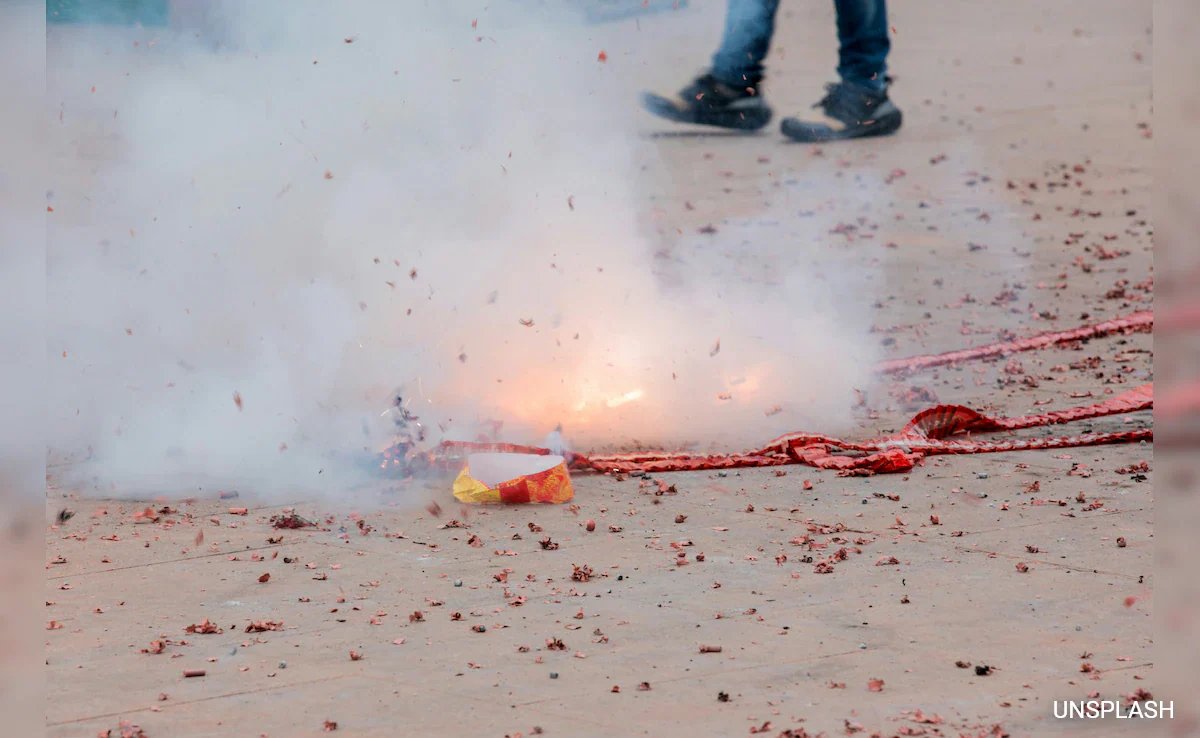
The bench, chaired by Justice Surya Kant, opened the hearing by stressing that any restriction would not trample religious sentiment but aim for a balanced approach. It reiterated the need for practical limits on firecracker use while acknowledging the cultural importance of festivals.
Justice Joymalya Bagchi asked why firecrackers are linked to religion, to which the bench replied that the issue is environmental, not devotional. The bench also noted that a blanket ban would likely push people to burst crackers during daytime, undermining the goal.
The ruling follows a 2015 Supreme Court case that imposed a blanket prohibition on firecrackers in Delhi and its surrounding NCR, later softened to allow only green, low‑pollution crackers around Diwali 2025. That decision was a response to the city’s deteriorating air quality during winter.
Aishwarya Bhati, the Solicitor‑General, secured a temporary stay until October 15 to submit the Central Pollution Control Board’s (CPCB) report on barium‑based firecrackers, which has yet to undergo outdoor testing. The court’s patience hinges on this data before any final directive.
A resident of Karol Bagh, 38-year‑old Anju Mehra, told reporters that the smoke from fireworks has forced her to stay indoors every festival day. She added, "We want celebrations, but not at the cost of our lungs." Meanwhile, a small‑scale vendor in Delhi’s Old Delhi market fears that stricter hours could slash his earnings during the peak festival season.
The court will convene a follow‑up session on October 20 to assess the CPCB report and decide whether to impose a specific window for permissible firecracker use. The final ruling is expected within two weeks of that meeting.