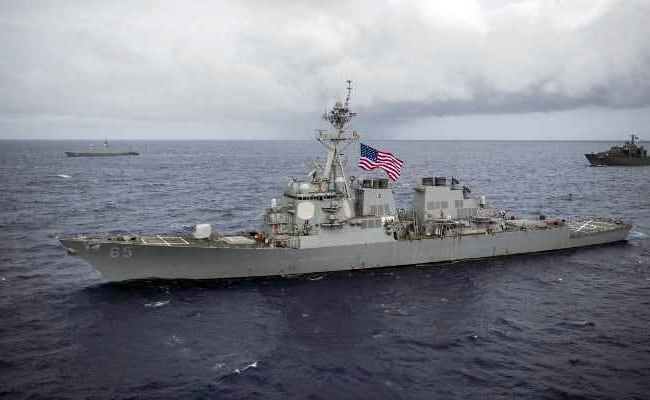
US Central Command halted an intended boarding of a Chinese vessel near the Gulf of Aden on March 15 after an AI‑generated intelligence report misidentified cargo as nuclear weapons components. The operation was aborted minutes before the U.S. destroyer could approach the ship, preventing a confrontation that could have escalated regional tensions.
NEWPAR CNN cited an anonymous source saying the intelligence report was "entirely false but almost started a war." The error stemmed from a chatbot that flagged the vessel’s cargo as nuclear‑related when it was, in fact, unclassified commercial goods.
NEWPAR US Central Command has not yet issued a statement on the incident, but analysts say the misstep highlights the growing reliance on AI in threat assessments. The Navy’s intelligence unit is reviewing its protocols to avoid similar pitfalls.
NEWPAR The mishap follows a resignation from Anthropic, where a researcher left over fears that AI could surpass human control. A former employee warned that the chance of an AI‑induced catastrophe could be higher than 10 percent within the next decade.
NEWPAR Separately, Politico reported that F‑35 jet parts—including a sensitive stealth canopy—were diverted to Hong Kong, raising concerns about the secure handling of advanced U.S. military technology.
NEWPAR In response, the Pentagon has announced a brief review of AI tools used in intelligence gathering and will hold a congressional hearing next month to assess safeguards and oversight.