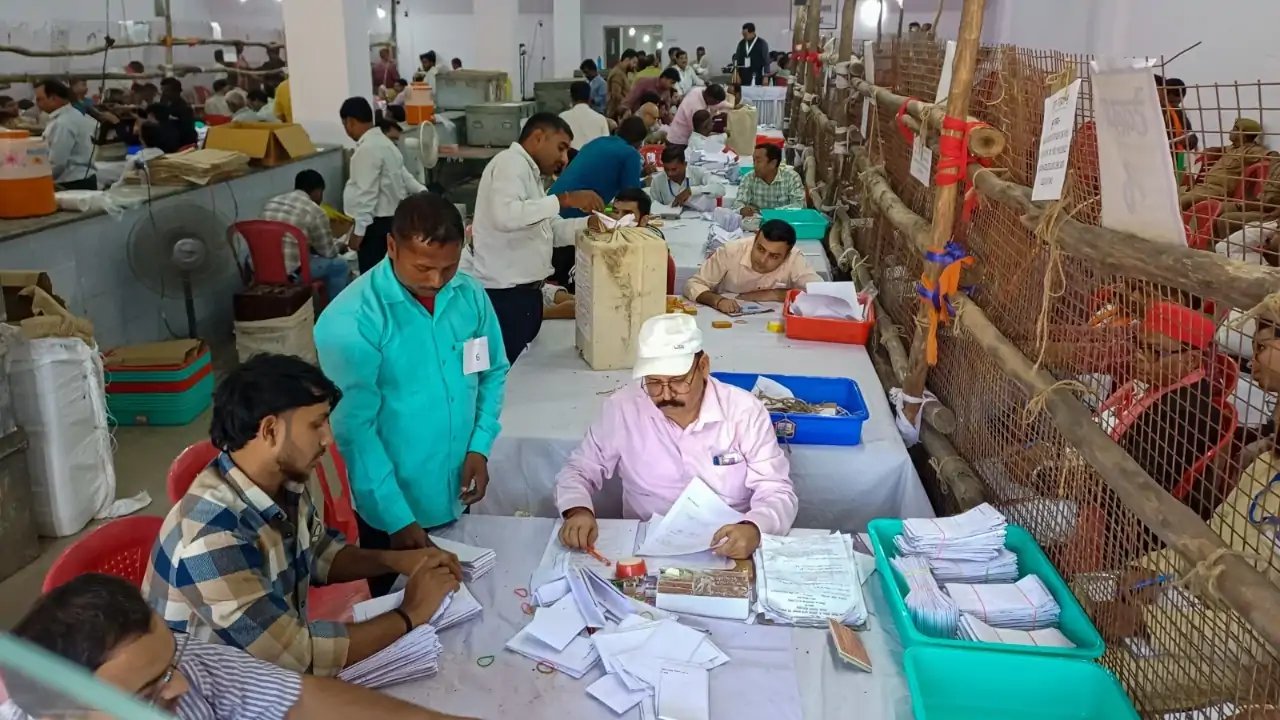
On October 23, the Karnataka Legislative Council elections saw the ruling Congress wipe out all four seats it contested, a blow the party’s leadership will feel for months. In the North‑East Teachers’ constituency, covering Kalaburagi, sitting BJP MLC Shashil G Namoshi defeated Congress candidate Sharanappa Mattur by 3,297 votes, 15,596 to 12,299. The win marked Namoshi’s fifth consecutive victory from the seat. In Bengaluru Teachers’, JD(S) candidate AP Ranganath, backed by the BJP, unseated Congress MLC Puttanna by 908 votes, 10,810 to 9,902. The only seat that changed hands in Karnataka was this one, underscoring that the BJP and JD(S) can co‑opt votes. The remaining two graduates’ seats stayed with the BJP, with K M Suresh and S V Sankanur winning by margins of 23,098 and 9,323 votes respectively. Chief Minister D K Shivakumar’s campaign had focused on these constituencies, but the results suggest a disconnect between strategy and turnout.
Congress currently holds 38 of the 75 seats in the Karnataka Council, with five vacancies expected to boost that number further. The loss of Kharge’s constituency, however, signals a dent in the party’s grassroots reach, especially in a region that has traditionally been a stronghold. Party insiders say the party will review its outreach strategy before the 2027 Assembly elections, when the Council’s composition could influence legislative priorities.
Across India, the elections revealed a contrasting picture in Uttar Pradesh. The BJP secured four of eleven seats, including two graduate and one teacher constituencies in Meerut and Bareilly‑Moradabad. Yet in the Varanasi Teachers’ seat, the area encompassing Prime Minister Narendra Modi’s Lok Sabha constituency, the Samajwadi Party’s Lal Bihari Yadav retained the seat with a 4,898‑vote lead over BJP’s Pramod Kumar Mishra. The outcome is a rare setback for the ruling coalition in the PM’s backyard.
In Bihar, the first of eight seats went to the NDA. BJP’s Narendra Prasad Singh claimed the Tirhut Teachers’ seat with 2,945 votes, beating independent Bhushan Jha’s 2,351. Counting continues for the remaining seven seats, but the initial win points to a modest opening for the NDA in the state’s Council.
The council elections, held on a single day, serve as a barometer for the parties ahead of the 2027 state assemblies. Both Congress and the BJP will likely recalibrate their campaigns, while the Samajwadi Party may use its Varanasi victory as a springboard in the upcoming Uttar Pradesh polls. The next major development will be the assembly elections themselves, scheduled for 2027, where these council outcomes could shape voter sentiment.