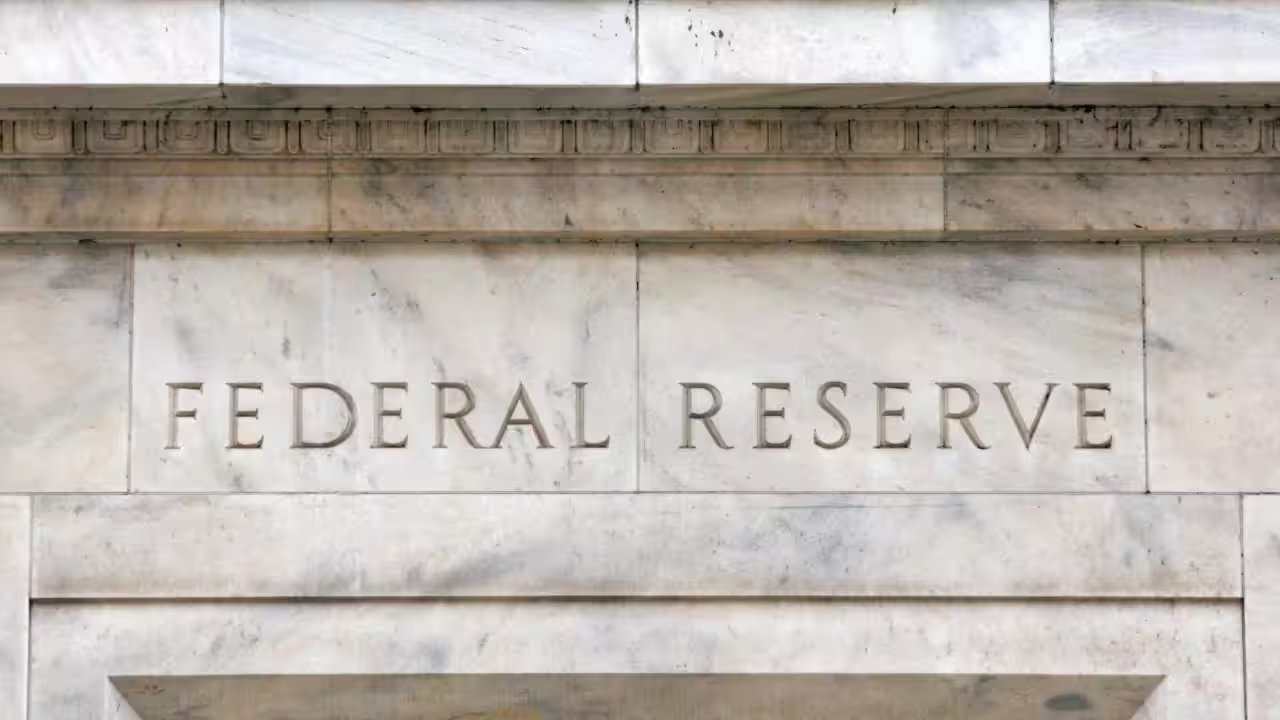
The Federal Reserve pushed its policy rate up to 3.75%-4% in a meeting held on September 18, 2026, the first hike since the summer of 2023. Inflation, still running 3.4% year‑on‑year in August, pushed the Fed to act, with Chair Kevin Warsh warning the central bank would not tolerate sustained price gains.
Credit card issuers will see variable rates climb, as the prime rate—linked directly to the Fed’s benchmark—tends to move in lockstep. Matt Schulz, chief consumer finance analyst at LendingTree, estimates a 0.25‑point rise in the next two months. Americans already owe $1.26 trillion in credit card debt, close to a record $1.28 trillion set at the end of 2025, according to the New York Fed.
Mortgage and auto‑loan markets feel the ripple indirectly. The 10‑year Treasury yield just topped 5%, the highest since 2023, and the 30‑year fixed mortgage rate rose to 6.76%, the steepest in more than 14 months, Freddie Mac reports. Auto‑loan averages sit at 7% for new cars and 10.6% for used vehicles, with monthly payments around $765, Experian says.
Savers might see a silver lining. Higher policy rates have nudged one‑year CD yields from a meager 0.15% in March 2022 to 1.71% last month, FDIC data shows. Online banks are now competing for deposits with rates above 1.5%, though many require larger balances.
The Fed will convene another policy meeting on October 23, 2026, where it could decide whether to continue tightening or pause. The next move will shape consumer borrowing costs and the trajectory of the U.S. housing and auto markets.