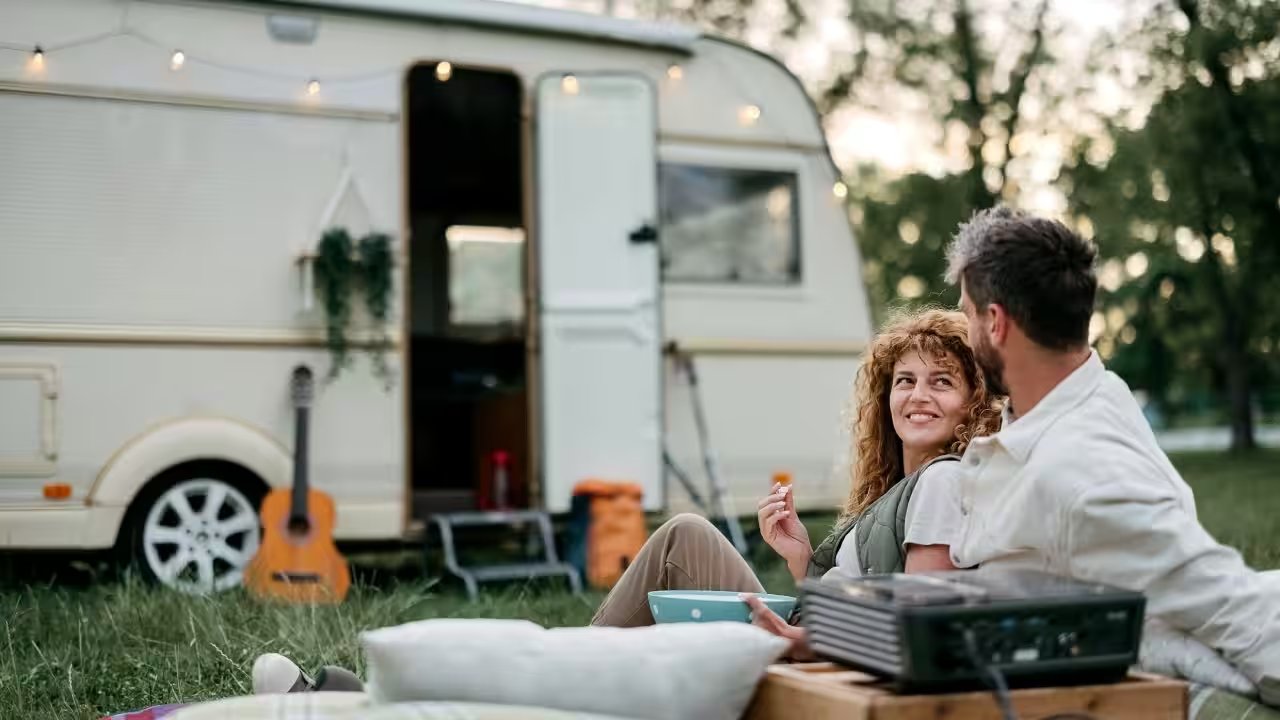
In the summer of 2026, Brit Thompson converted a vintage Airstream into an Airbnb at Pink River Ranch in Blanchardville, Wisconsin. The trailer now brings in $100 per hour cleaning, eclipsing the $5 an hour she earned on the field. “I don’t want to be out there working my bt off for $5 an hour when I can make $100 cleaning the Airstream,” Thompson told MarketScreener.
The move follows a 23 % decline in U.S. farm income since 2022, prompting many farmers to diversify into agritourism—a $4.5 billion industry according to USDA data. Catherine Topel, a North Carolina hog producer who runs an Airbnb cabin, told Reuters, “The cabins and campsites make you sustainable and resilient in hard times.” Kaylee Heap, co‑manager of Heap’s Giant Pumpkin Farm in Illinois, added, “We’re able to weather tighter or negative margin years because we diversified.”
During the pandemic, farm stays surged, and listings on platforms like Airbnb, HipCamp, Harvest Hosts and The Dyrt jumped 77 % over five years—twice the growth rate of overall short‑term rentals. Rural properties with secluded landscapes remain top‑tier for this tourism niche.
Experts say the trend is here to stay. Ryan Pesch, an extension educator at the University of Minnesota, told Reuters, “The younger generation sees the farm as a place for entrepreneurship, not just old‑fashioned agriculture.”
Thompson plans to add a second Airstream next spring to meet demand. The expansion is expected to keep her ranch viable and curb the need to sell land, a lifeline for many family farms facing a recessionary agricultural economy.