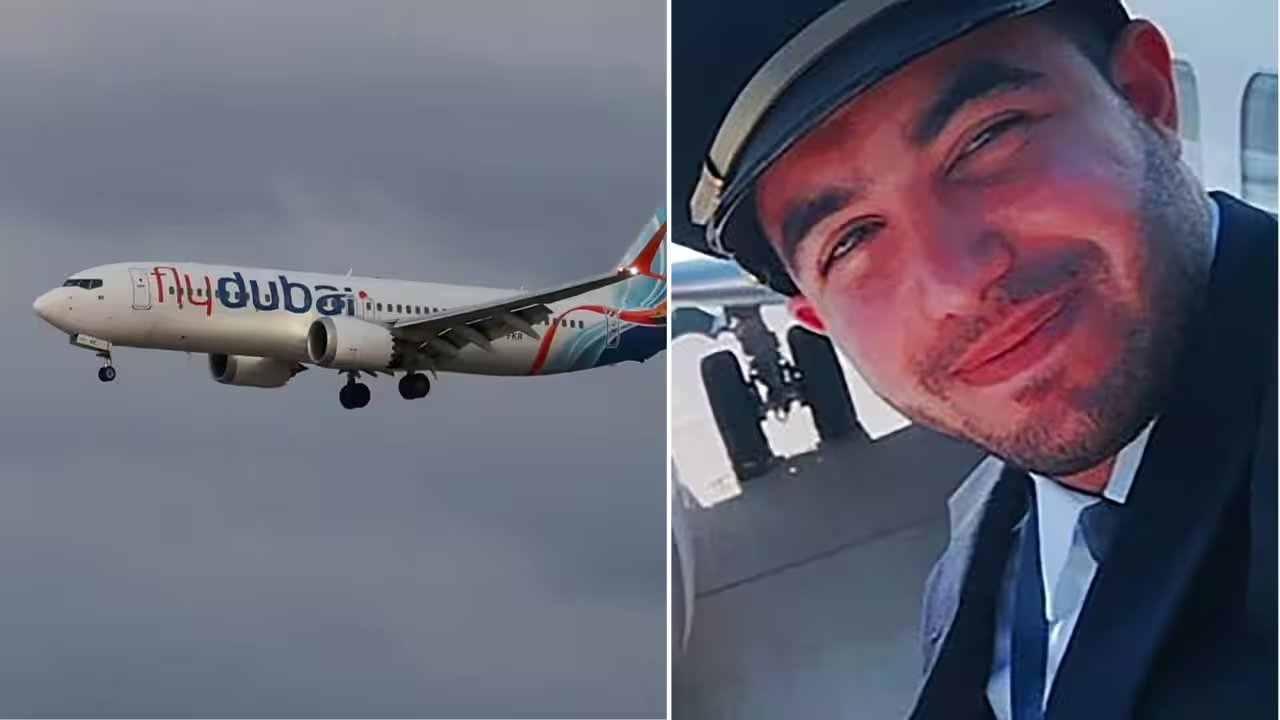
Hamam al‑Hammami, a 29‑year‑old co‑pilot, tried to seize control of a Flydubai aircraft on its run from Dubai to Tel Aviv on September 30 and crash it into the passenger terminal at Israel’s Ben Gurion Airport, but the crew and passengers overpowered him before the plane touched down—
The UAE Attorney General, Hamad Saif Al Shamsi, said al‑Hammami was inspired by the September 11 attacks, which killed nearly 3,000 people in the United States, and that his desire to “carry out a similar operation” had driven him to aviation. He reportedly rehearsed the plan by studying the airport’s layout on two prior flights to Ben Gurion. “The idea of using an aircraft as a weapon became firmly established in his mind,” Al Shamsi said.
Al‑Hammami’s radical journey began in 2017 while he was studying in Australia. He reportedly consumed extremist publications and online content praising terrorist groups and suicide attacks, and even trained in boxing under a private coach to “prepare himself psychologically and physically.” The UAE probe traced his employment: he worked for Oman Air from 2020 to 2024, was briefly with Royal Air Maroc in 2025, and joined Flydubai in January 2026. An Oman Air source told CNN that the airline had removed him from flight training due to concerns about his extremist views and reassigned him to another role.
Flydubai’s hiring records show that al‑Hammami met all professional and security requirements, holding a pilot’s licence, a certificate of good conduct, and passing the necessary examinations. The UAE Attorney General’s office found no indication of his extremist intentions during the recruitment process. The investigation is now probing whether the airline’s vetting procedures should be tightened and whether other pilots may have had similar radicalisation risks. The next step will be a review of Flydubai’s security protocols and an audit of its staff‑screening procedures.