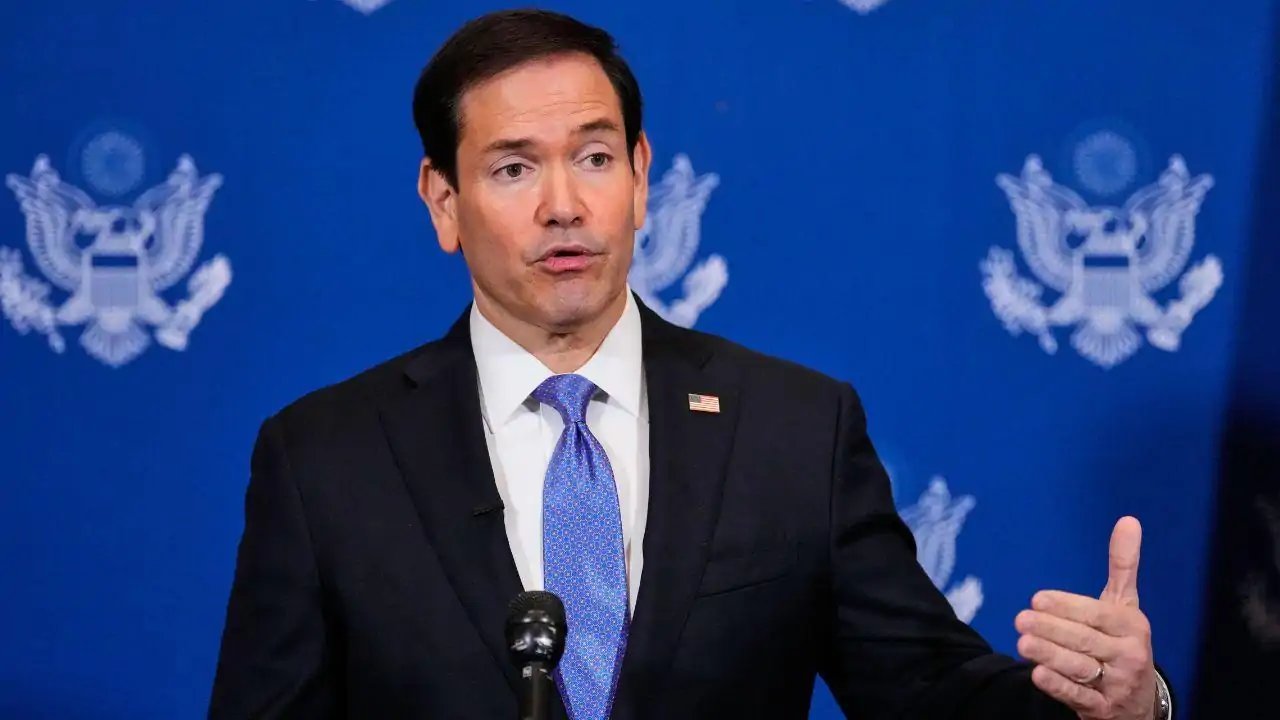
Marco Rubio touched down at Chhatrapati Shivaji Maharaj International Airport at 2:15 pm on Tuesday, 27 November, straight into the heart of Mumbai’s diplomatic scene. He was received by External Affairs Minister S Jaishankar, who briefed him on the “land‑ing point” the two sides had reached in the trade negotiations.
The two leaders are set to tackle a litany of issues: energy cooperation, investment flows, defence ties, and emerging technologies. MEA spokesperson Randhir Jaiswal said the meeting would also cover key areas of mutual interest, underscoring the breadth of the partnership.
Later that afternoon, Rubio laid a wreath at the Taj Memorial to honour the victims of the 26 November 2008 Mumbai terror attacks, a gesture that sent a clear message of solidarity. He then attended a reception marking the 250th anniversary of US independence, a highlight that frames the urgency of the trade talks.
The next day, the Secretary of State flew to Jamnagar in Gujarat to meet with industry leaders and discuss tariff waivers tied to India’s procurement of Russian oil. “We’re trying to finalise the trade deal with India right now,” Rubio told officials in Uzbekistan, linking the agreement to broader national security decisions.
The negotiations have been fraught, with Washington imposing punitive tariffs on Indian goods and India protesting changes to H‑1B visas and green‑card processing that affect major IT firms like Tata and Wipro. These disputes have kept the trade deal on a knife‑edge, making the current talks all the more critical.
The next step will see the two sides sign the pact after the Independence reception, provided the U.S. administration approves the tariff waivers. The agreement, once signed, will open the door to deeper economic integration and set a precedent for future Indo‑American cooperation.