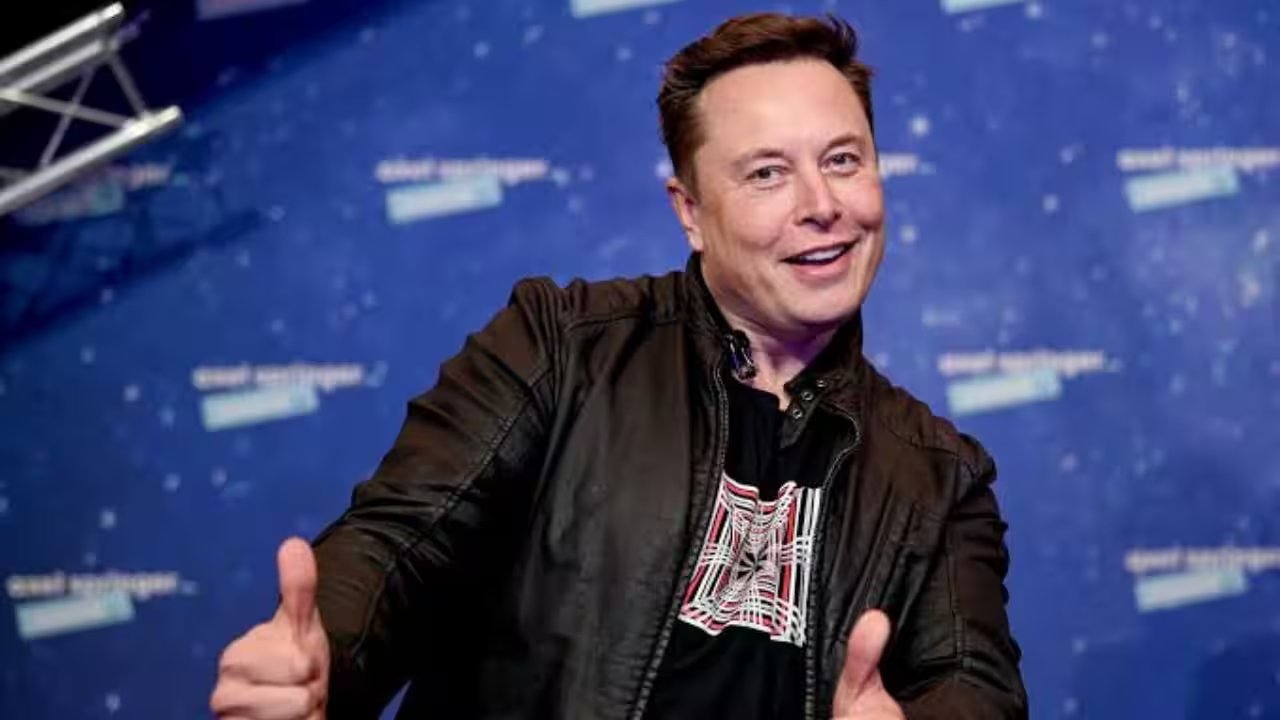
Elon Musk told Edison International Chairman Ted Craver in 2015 that any Tesla employee who finds a meeting meaningless should simply stand up and walk out. The conversation took place at the Edison Electric Institute Annual Convention in New Orleans, where Musk was discussing the future of electric vehicles. When Craver asked if leaving early would be seen as disrespectful, Musk corrected him instantly. “No, that's expected,” Musk said. “It's rude to stay.”
The logic is blunt: time is the scarcest resource in a high-stakes manufacturing environment. If an employee is checking their phone or laptop, Musk argued, they are wasting the company's collective hours. He described meetings as “a big time suck,” a sentiment he reinforced three years later in an email to staff. That April 2018 memo, recently resurfaced after an X user shared it, listed specific productivity rules during the critical Model 3 production ramp-up phase.
Musk’s 2018 email went beyond just attendance. He ordered the elimination of large, frequent meetings unless they addressed an “extremely urgent matter.” He warned that meeting frequency should drop rapidly once the crisis passed. The memo also attacked bureaucratic communication styles, forbidding internal acronyms and nonsense words. “We don't want people to have to memorize a glossary just to function at Tesla,” he wrote, insisting that communication must take the shortest path to completion rather than following a rigid chain of command.
This approach clashes with traditional corporate culture, where silence is often mistaken for listening. But for a company racing to meet production targets, idle time is a direct cost. Musk’s stance forces a binary choice for employees: contribute actively or reclaim your time. The next test will be whether this culture sustains itself as Tesla scales its global operations and navigates new regulatory challenges in 2026.