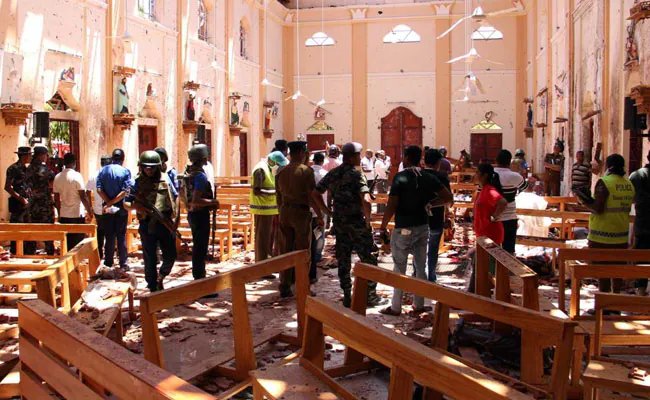
A three‑judge bench found 14 of the 24 men charged with the 2019 Easter Sunday bombings guilty on all counts. The defendants were accused of aiding the suicide bombers that struck three luxury hotels and three churches on April 21, 2019, killing 279, including 45 foreigners.
The men, all from Sri Lanka's Muslim minority, faced charges of murder, conspiracy to commit terrorism and possession of firearms and explosives under the Prevention of Terrorism Act. Prosecutors filed a record 23,270 charges, the most ever in a single case, according to court filings.
The trial has drawn international attention, with three defendants also charged by U.S. authorities for related offences. Among the 279 dead were citizens of 13 nations, including five Americans, a U.S. Commerce Department employee, and a Danish citizen.
The High Court also highlighted ongoing investigations into alleged state links to the attacks, naming former intelligence chief Suresh Sallay as a suspect accused of orchestrating the bombings—an allegation he denies. Parliament has received reports that the Rajapaksa family may have exploited the terror narrative to consolidate power.
Sentencing is slated for later that day, with the possibility of life imprisonment or the death penalty—though Sri Lanka has not executed anyone since 1976, and capital punishment is usually commuted to life.