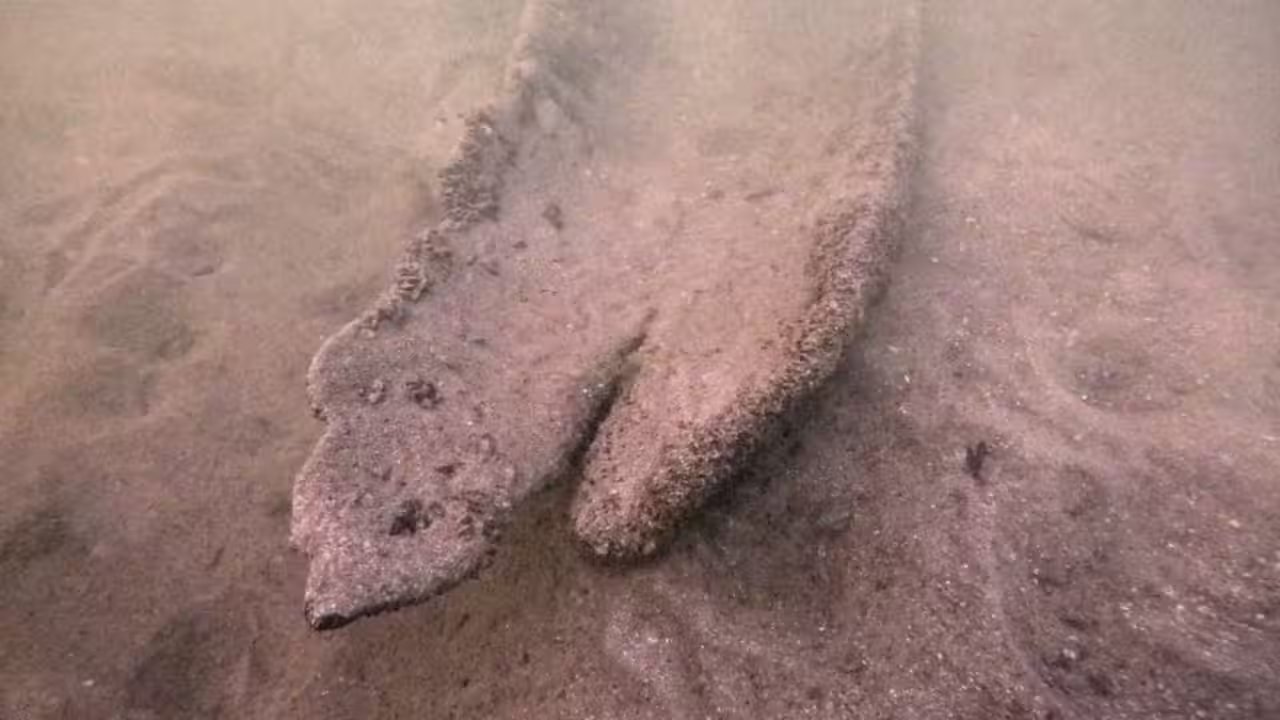
In early May, a Beaver Dam diver named Mark Schachtner was scouring Pewaukee Lake for old glass bottles when he spotted a 17‑foot white‑oak dugout resting 15 ft beneath the water, partially buried in silt.
Within days, maritime archaeologist Tamara Thomsen of the Wisconsin Historical Society joined him. Together they logged measurements, took photographs, and extracted wood cores that would later be sent to Beta Analytic in Miami for radiocarbon analysis.
The lab returned a 70 % probability that the canoe was in use between A.D. 992 and 1,049, placing it squarely in the Late Woodland period. Microscopic examination revealed charred scorch marks on the underside and scraping striations consistent with stone‑tool shaping, offering a rare glimpse into indigenous boat‑building techniques.
Tribal historic preservation officer Larry Plucinski explained that such canoes were communal assets, too heavy to move across land, so they were often deliberately sunk and later reclaimed. Ho‑Chunk Nation president Jon Greendeer said the find underscores the tribe’s long‑standing connection to the lake and the broader region.
Given the cultural sensitivity, the Wisconsin Historical Society has decided to leave the canoe in situ. The agency will continue to consult with the Ho‑Chunk and other Native Nations and plans to monitor the site for any signs of erosion or disturbance before any future intervention.