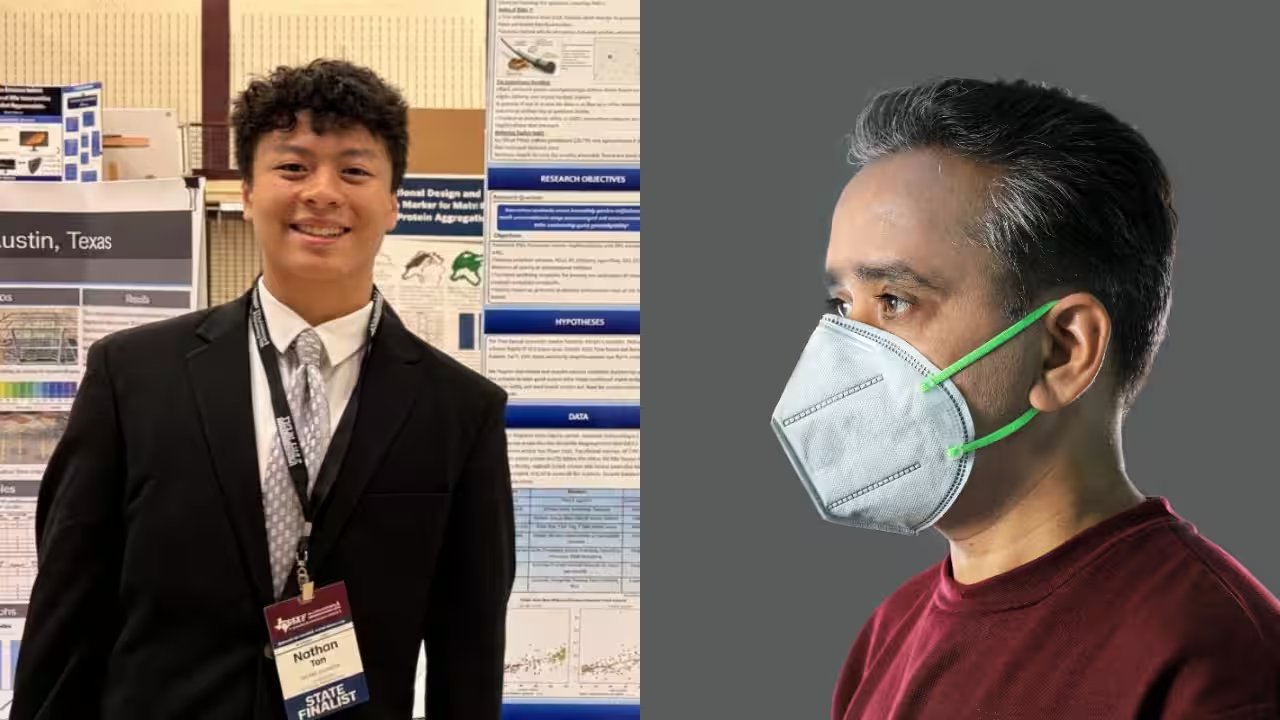
In West Dallas, the sky often looks hazy to the naked eye, but the danger isn't just visual. Nathan Tan, 17, noticed this haziness during a tutoring session and discovered a stark reality: childhood asthma rates in the area are several times higher than the Texas average. The problem? A single air-quality monitor covers over 900 square miles, leaving families with zero neighborhood-level data on what they're breathing.
Tan didn't just file a complaint. He built a solution. Using machine learning, he created a model that predicts particulate matter concentrations in areas lacking traditional monitoring stations. This gives about 1,000 Texans a real-time map of their air quality. It’s a low-cost, high-impact way to fill the gaps left by the limited public infrastructure.
But data alone doesn't stop a cough. Shared Skies, Tan's nonprofit, has physically equipped 60 low-income schools with 50 student-built air filters that cut indoor pollution by up to 95%. They also distributed 10,000 KN95 masks and a 50-page bilingual guide on environmental justice to roughly 30,000 students. The goal is simple: teach kids how to read the data and protect their lungs.
The initiative has also turned students into advocates, training 300 young people to present air-quality concerns to city councils. One major focus is a shingle manufacturing plant located just hundreds of yards from homes. Tan’s group has organized campaigns to push for its closure, arguing the health burden falls disproportionately on the neighborhood.
This work earned Tan a spot among the 25 recipients of the 2026 Gloria Barron Prize for Young Heroes. For readers in pollution-heavy zones, the takeaway is clear: local air quality data is vital for managing respiratory health, and community-led monitoring can bridge the gap where government sensors fall short. Always check local air quality indices before heading out for morning runs, and consider using HEPA filters in bedrooms if you or your children suffer from asthma.