Starlink said its network of dedicated systems, gateways and other infrastructure—built over five years—has received all necessary government approvals to serve Indian traffic.
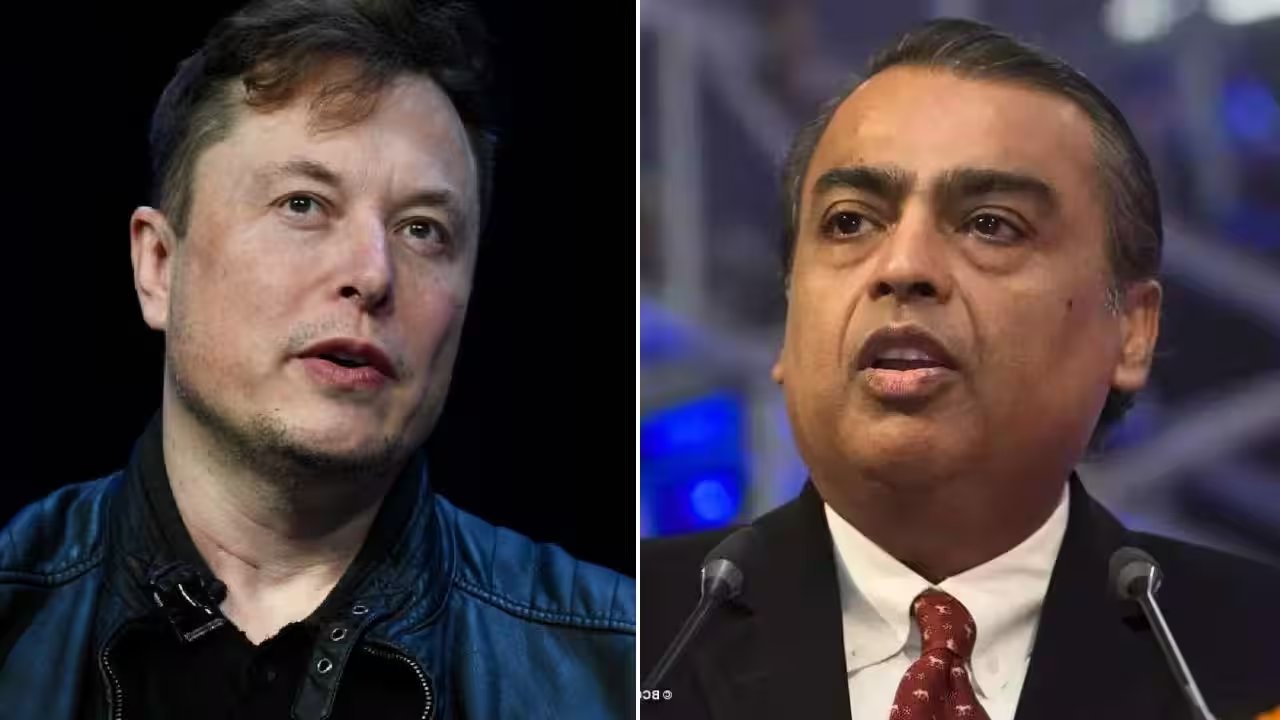
Reliance Industries’ chairman Mukesh Ambani said the company welcomes competition but insists all operators, including Jio, must adhere to Indian laws before spectrum is awarded.
Musk previously accused “certain oligarchs” of blocking Starlink’s entry, a claim the government dismissed; Communications Minister Jyotiraditya Scindia said spectrum will be assigned once the revenue‑sharing framework is finalised and security conditions met.
Starlink, Reliance Jio and Eutelsat OneWeb already hold licences to operate satellite communications in India, while Amazon’s Project Kuiper seeks one; the services aim to bring broadband to remote regions where terrestrial infrastructure stalls, potentially connecting millions of underserved households.
Starlink expects to launch services by the end of 2026 after final clearance, while Reliance Jio awaits its own satellite licence.