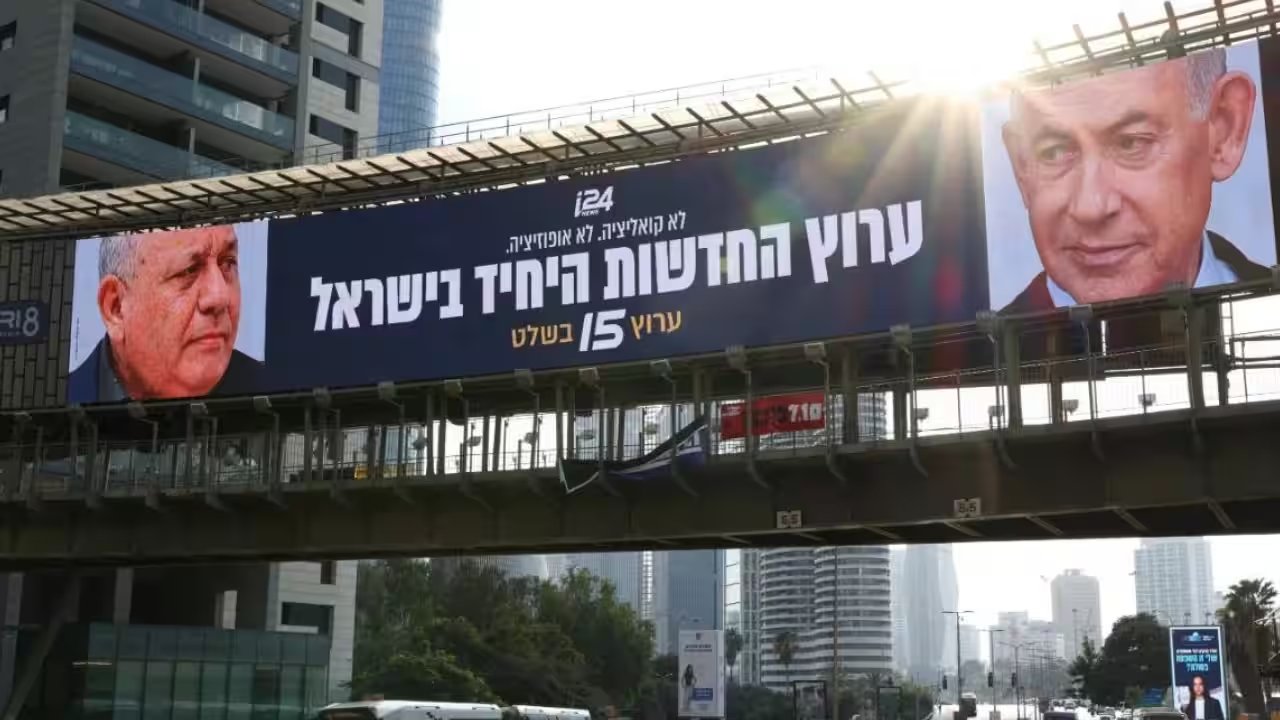
On Wednesday, the Central Election Committee braced for a marathon of tallies, counting votes from soldiers stationed in the Gaza Strip and Israeli diplomats abroad—hundreds of thousands of ballots yet to be tallied. The Likud‑led bloc is on course to be the largest, but no party is near the 61‑seat majority threshold.
Opposition leader Gadi Eisenkot, former army chief, commands the Yashar‑led coalition, which is gathering strength as it pushes the 3.25% threshold that determines seat allocation. With about a dozen parties vying for those seats, the final numbers will hinge on how many clear the minimum.
Exit polls from major TV networks give a rough sketch, yet Israel’s proportional representation system means that even a single 0.1% swing can shift seats. The complexity is compounded by the fact that each party’s national list must be translated into seats based on its exact vote share.
Once the final tally is released on November 4, President Isaac Herzog will meet with each party leader, then hand the nomination to the candidate who appears most likely to command a coalition. That nominee has 42 days to assemble a government; if it fails, another candidate may be tried, and a fresh election could be called.
For soldiers like 24‑year‑old Avishai from the Golan Heights, the vote carried both weight and pride—he mailed his ballot from a forward base, hoping his vote would help shape the next Israeli government. Meanwhile, a small town mayor in central Israel watched the numbers with a mix of hope and anxiety, knowing that every seat counts in a nation where no single party has ever won outright.