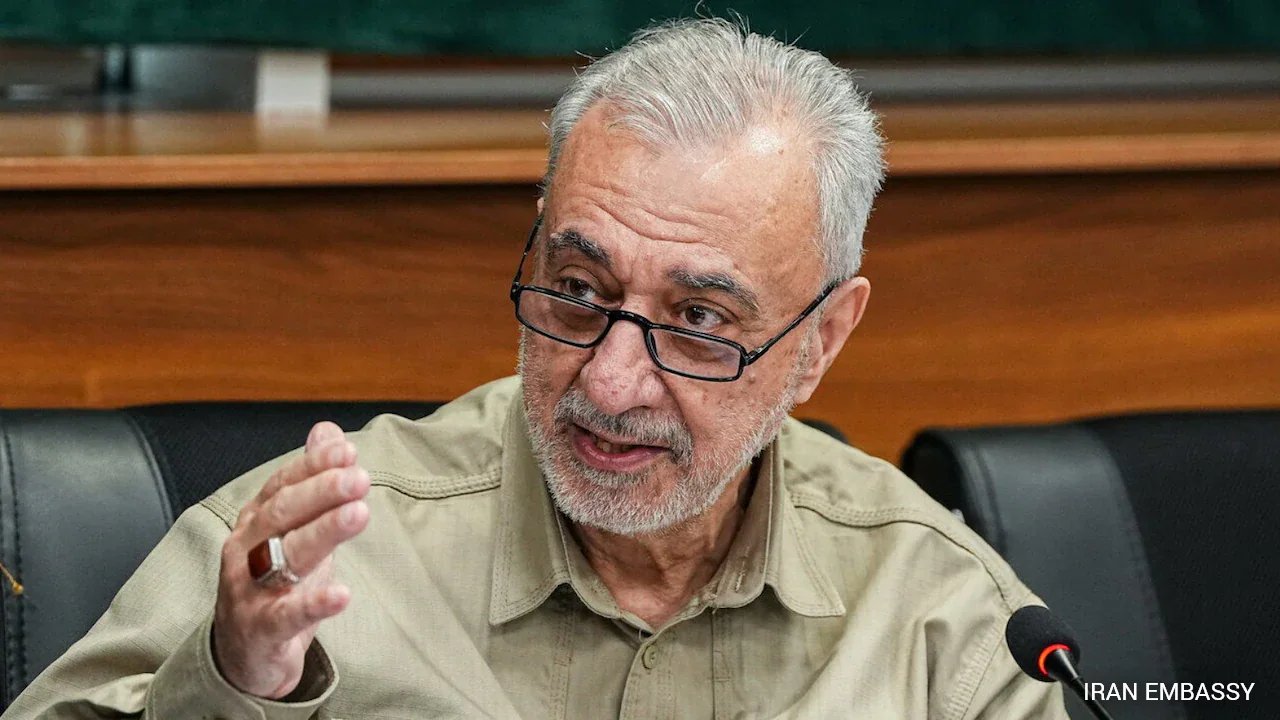
Mehrdad Akhlaghi Ketabchi took the oath in Tehran’s Parliament on Sunday, crossing the 237‑vote threshold that oversaw the transition after Aziz Nasirzadeh’s death on February 28 in the opening salvo of the US‑Israel strike campaign. 68‑year‑old, he is a career technocrat, not a career soldier, yet his 42‑year track‑record in defence ministry circles and missile development places him at the epicenter of Iran’s strategic escalation.
The former head of the Iranian Defence Industries Organisation since 2013, Akhlaghi steered the production of Sejjil, Zolfaghar and Almas missile families, while also crafting precision‑guided munitions used in recent air and ground operations. He is under U.S. and EU sanctions for his role in missile programmes, and a 2007 UN embargo cites his alleged nuclear and ballistic missile involvement.
In a speech to lawmakers, Akhlaghi warned that Washington’s looming deployment of the GBU‑43/B “mother of all bombs” could trigger a new phase of hostilities. He pledged that Iran’s missile and drone arsenal had been “sharpened” and that the ministry had “taken necessary counter‑measures” to blunt any American attack.
Defence ministry spokesman Reza Talaei‑Nik echoed the minister’s assurance, stating that the country must “increase the quality and quantity of its weapons, especially missiles and drones.” Akhlaghi’s confirmation speech hinted that a parliamentary vote of confidence would formalise his command before the ministry’s next strategic brief.
With the new minister at the helm, Tehran’s military hierarchy is poised to recalibrate its deterrent posture amid escalating regional tensions. The next few days will see Parliament weigh a confidence motion, while Washington watches Iran’s missile upgrades on a tight‑rope of deterrence and diplomacy.