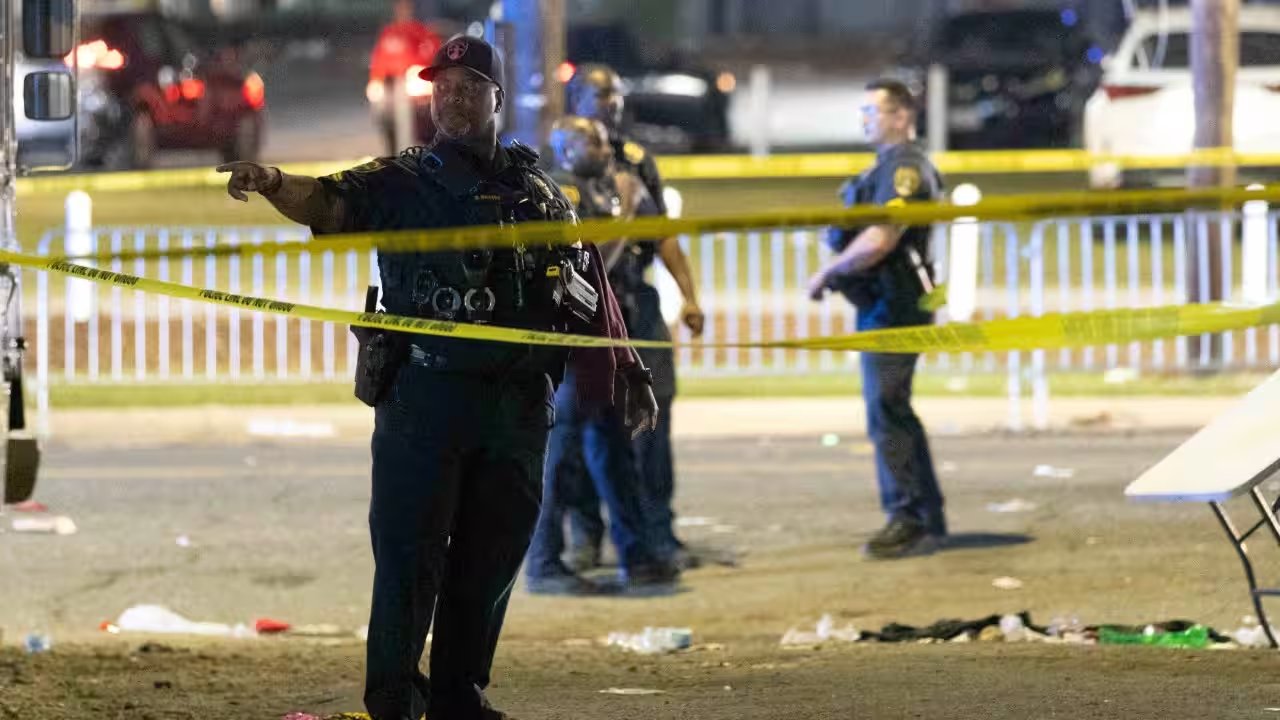
The weekend didn’t end with candy; it ended with blood. By Sunday morning, the toll stood at 24 dead and 94 wounded, a grim tally compiled by the New York Times and cross-referenced with Gun Violence Archive data. It wasn’t just one bad night in one bad city. It was a synchronized nightmare unfolding from the Pacific to the Atlantic, turning trick-or-treat routes into kill zones.
In Fairfield, California, a 31-year-old pregnant woman died after a gunman opened fire at a Spirit Halloween store at 8:30 p.m. Friday. The building, meant for spooky thrills, became a crime scene. Six others were shot, three critically. Police cancelled the planned trick-or-treating event. The silence that followed was heavier than any soundtrack.
Delaware Governor Matt Meyer shattered the politeness of official statements. “This is not normal,” he said. He was right. In Ellendale, a 17-year-old girl died after a gunman sprayed an outdoor party. An hour later, six people were shot on Main Street near the University of Delaware. The proximity of the attacks—less than 75 minutes apart—suggested a coordinated or opportunistic spree that left local law enforcement scrambling. The governor’s words weren’t just rhetoric; they were a warning shot to a state on edge.
Dallas’s Deep Ellum district saw three separate shootings in 75 minutes, killing four and injuring 15. In Birmingham, Alabama, a 17-year-old suspect was caught with a Glock conversion switch after a shooting near Legion Field that killed one and wounded eight. The weapon detail matters. It’s not just about bullets; it’s about the accessibility of fully automatic-capable firearms in the hands of teenagers. The system is broken, and the numbers prove it.
The violence didn’t stop at midnight. In Jackson, Mississippi, two masked men opened fire on a dance floor, killing two and injuring four. In Jacksonville, Florida, a 17-year-old girl died waiting in line for a party. In Wichita, a man looking out his window was hit by a stray bullet. These aren’t statistics. They are parents, siblings, friends. The next 48 hours will see federal agents and state troopers converging on these sites, but the real work—changing the culture of gun access—remains untouched.