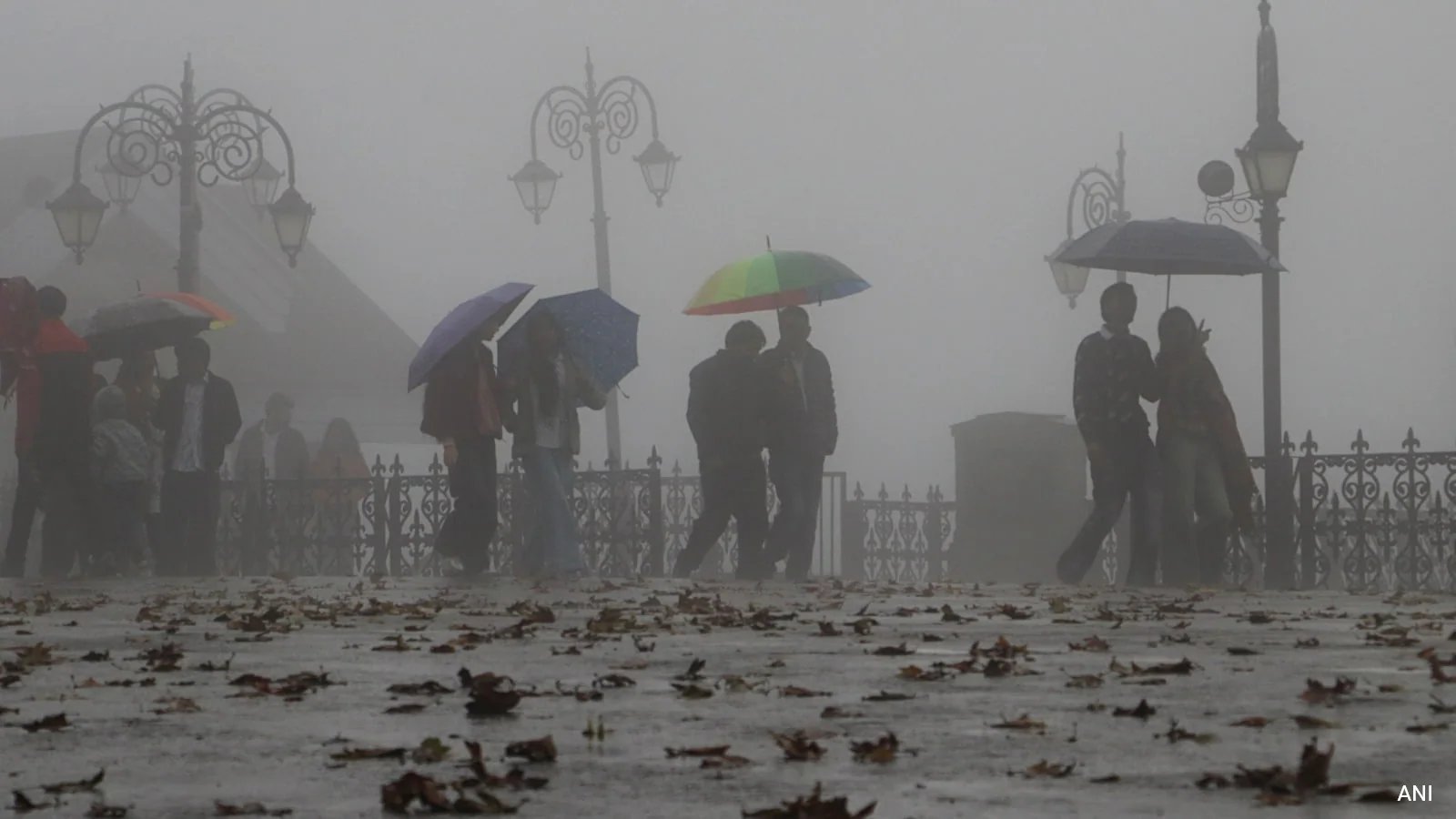
On 12 October, Delhi’s skies turned a sudden, fierce storm, leaving the NCR drenched for hours.
Professor Gufran Beig of NIAS says the storm is a symptom of a 'Super El Nino' that has lifted sea‑surface temperatures in the Pacific by 3.2 °C, a level rarely seen in the last decade.
The India Meteorological Department warned that the Southwest Monsoon is likely to retreat from the rest of the country, and that the Northeast Monsoon will begin over the south peninsula in the next two to three days.
The IMD forecast 12–20 cm of rainfall over Jammu and Kashmir, 7–11 cm over the Andaman‑Nicobar Islands and Haryana, and isolated hail in Uttarakhand, while Delhi’s temperatures will hover between 31 °C and 35 °C.
A Delhi resident in Saket recalled being soaked overnight and having to wait for buses to clear the streets, a reminder that even a single day of weather can disrupt daily life.
The IMD has issued a nationwide alert and will monitor the situation as the monsoon withdraws and the Northeast Monsoon rolls in, urging cities to prepare for further rainfall.