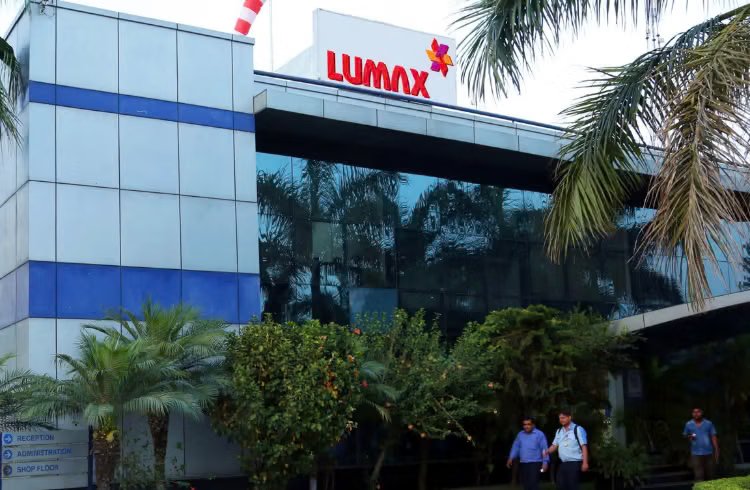
Lumax Auto Technologies just handed investors a quarter that looks less like a recovery and more like a power surge. Consolidated net profit hit ₹116.67 crore for the three months ended September 30, 2026. That is a 50% leap from the ₹77.56 crore reported in the same period last year. For a component maker, that kind of margin expansion suggests they are not just selling more parts, but selling them at better efficiency.
The top line is where the real story lives. Revenue from operations climbed 35% year-on-year to ₹1,555.51 crore. It also beat the previous quarter’s ₹1,363.62 crore mark. Profit before tax rose to ₹154.24 crore from ₹104.33 crore. Earnings per share (EPS) jumped to ₹15.48, up from ₹9.81. This consistency across both half-year and quarterly metrics removes the noise of one-off spikes.
Standalone numbers tell a similar tale, though they were restated to account for the mergers of Lumax Ancillary Limited and IAC International Automotive India Private Limited. Standalone revenue reached ₹1,204.70 crore, up from ₹872.81 crore. The company noted these mergers were accounted for using the pooling of interest method, meaning they didn’t distort the consolidated view. But the standalone profit of ₹89.00 crore still marks a solid 46% increase.
There is a wrinkle in the FY26 standalone figures worth noting. The company booked exceptional items totaling ₹16.65 crore that reduced PBT. This included a ₹9.61 crore hit from new Labour Codes implementation and a ₹7.04 crore impairment on its stake in Lumax Japp Allied Technologies. The board approved selling that 50% stake to Germany’s Japp Holding GmbH in May 2026. The deal closed in the June quarter, removing the subsidiary from future consolidation.
For the half-year ended September 30, 2026, the cumulative picture is even brighter. Consolidated revenue stood at ₹2,919.12 crore against ₹2,182.74 crore a year ago. Profit attributable to owners hit ₹192.15 crore, up from ₹131.55 crore. With EPS at ₹28.19, Lumax is clearly riding a wave of OEM production volumes. The exit from the Japp stake cleans up the balance sheet, positioning the company to focus purely on its core component manufacturing strength.