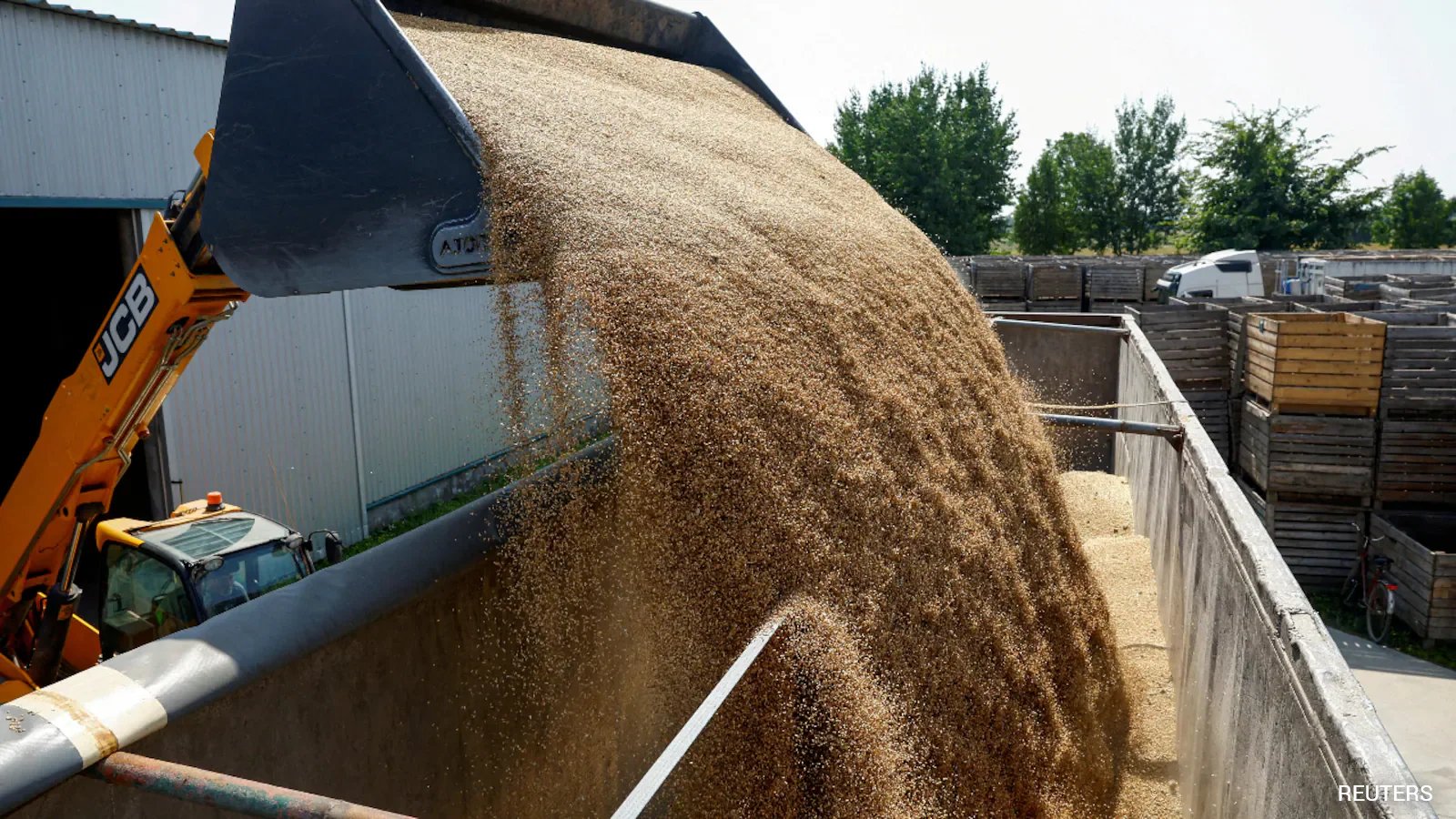
The Food and Agriculture Organization’s latest bulletin shows the global Food Price Index climbing to 136.0 points in September, up from 134.0 in August, marking the steepest rise in nearly four years.
Torero blamed a confluence of disruptions: a choke‑point in the Strait of Hormuz, a shipping bottleneck across the Black Sea, and the looming El Nino that has pushed sugar prices to an 18‑month high and wheat futures to a three‑year peak. “We are seeing a persistent and increasingly broad‑based build‑up in global commodity prices,” he said, noting that energy, transport and key food commodities are under pressure.
Despite the price surge, FAO kept its 2026 cereal production forecast at 2.979 billion metric tonnes, 2.1% below the previous year’s peak but still the second‑largest harvest on record. The organization also trimmed its 2026/27 trade forecast by 0.7%, citing lower wheat and maize export expectations due mainly to constrained Black Sea shipping routes.
The spike portends higher consumer food prices, especially for nations that import most of their staples. In Delhi, a small farmer’s family that relies on wheat imports is already feeling the pinch, saying “the price hike means we can’t buy the same quantity we used to.” FAO will publish the next month’s index on October 15, a date that policy makers will watch closely for potential tariffs or subsidy adjustments.