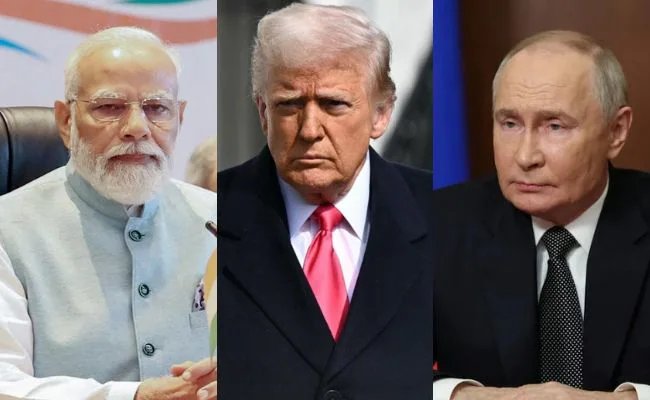
Rubio told reporters in Washington that Trump is carving out a 60‑day window to weigh the economic fallout of new sanctions on Russia and tariffs on key trading partners like India and China. He added that the period would let the administration gauge the ripple effects on global supply chains before moving forward.
Trump’s waiver under the Lindsey Graham Sanctioning Russia and Iran Act lifted a 100% tariff provision that could have hit imports from the five biggest buyers of Russian oil. The move came just days after the president announced an emergency diesel import from Russia to curb domestic fuel prices ahead of November’s mid‑term elections.
India, which now imports roughly 1.9 million barrels of Russian crude daily—about 35% of its total oil imports—has become Moscow’s largest buyer after European sanctions pushed refined oil to Asian markets. Indian refiners cite the steep discount on Russian Urals grade, sometimes as low as $40 a barrel, as a key driver behind the surge.
The Ministry of External Affairs reiterated India’s commitment to energy security through diversified sourcing, noting that the country will adjust its strategy in line with market realities. New Delhi has repeatedly stressed that any U.S. tariff policy will be evaluated against its impact on India’s 1.4‑billion‑strong population.
Following the 60‑day assessment, Trump is expected to announce a definitive stance on whether the 100% tariff will be enacted, potentially setting the stage for a congressional hearing on the broader sanctions strategy. The decision will shape the U.S. relationship with both Russia and its key Asian allies.