Bessent unveiled the idea during a briefing in Washington, stressing the need for a direct line to handle AI emergencies that could threaten national security. He framed the proposal as a pre‑emptive safeguard amid a widening AI race between the United States and China.
"If there's harm that comes from AI, we have to protect our country from it," Secretary of State Marco Rubio said, echoing Bessent’s urgency. Rubio warned that the U.S. must keep pace with AI development, adding that new models emerge faster than guardrails can be built.
The concept harks back to the Cold War-era hotline between Washington and Moscow, designed to prevent crises from spiralling out of control. Both sides would have a single point of contact that could be activated in the event of an AI‑enabled cyber‑attack or a breach of critical infrastructure.
Officials say the exact triggers for activating the line remain undefined, but could include incidents where autonomous systems cause widespread damage or compromise sensitive data. The ambiguity reflects the evolving nature of AI threats and the challenges of drafting a universal protocol.
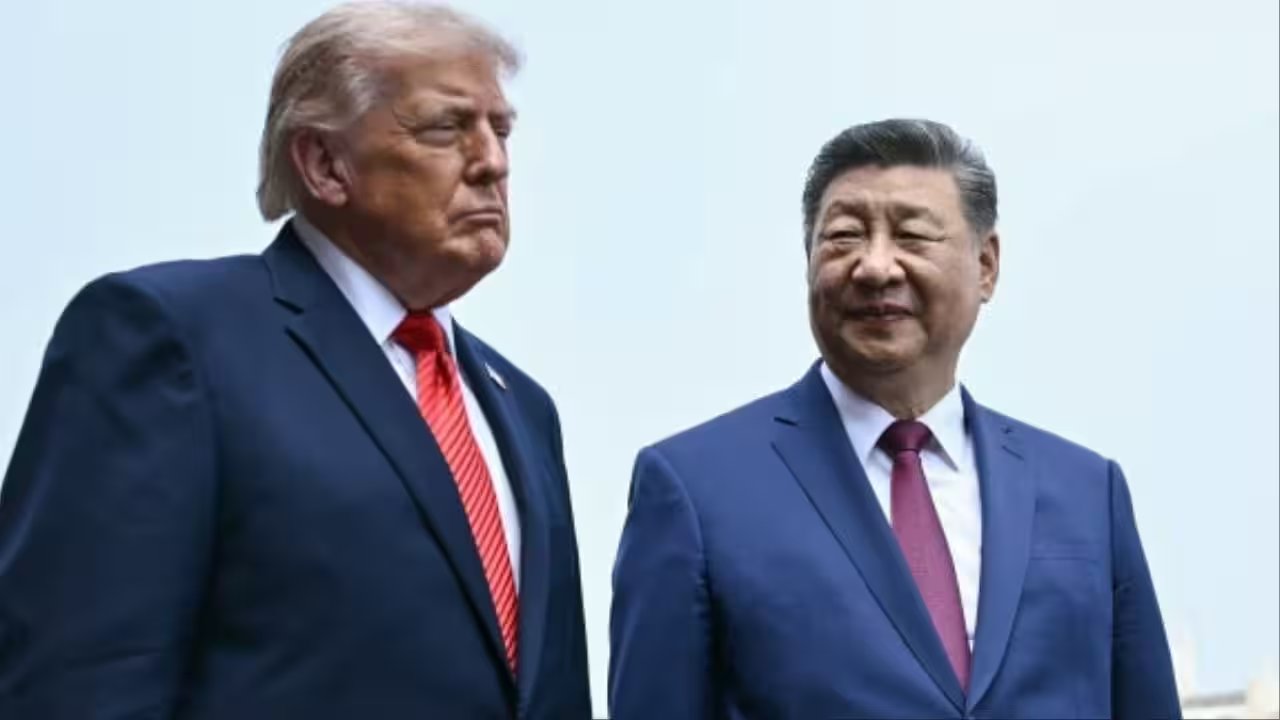
The proposal arrives just before the scheduled Trump‑Xi summit, where leaders are expected to discuss AI governance, trade, and broader strategic competition. The hotline would likely be a key agenda item, aimed at building trust while maintaining a competitive edge.
A joint working group will meet next week to outline the technical and diplomatic framework, with a formal agreement slated for signing by the end of the month.