The night outside the football stadium turned into a flash‑point when two men fired at Tiger Shroff’s car, sparking a chaotic scramble among the crowd—fans, security, and bystanders all caught in the crossfire.
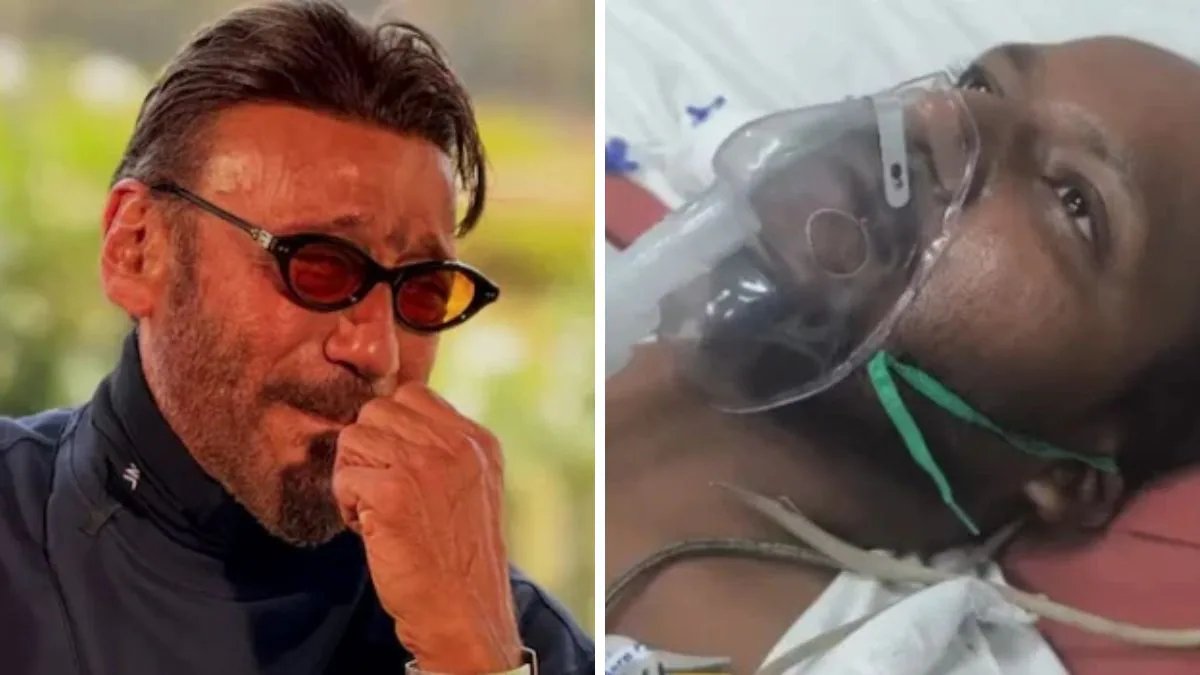
But the most chilling moment came when a stray bullet lodged itself in the chest of Umesh Chauhan, a diehard Tiger fan who’d queued up for a glimpse of his idol.
Jackie Shroff’s phone rang out of the blue. “Son,” he said with a calm that belied the chaos, “let me know if you need anything. We’ll come when the situation cools.” The veteran actor’s words cut through the adrenaline‑driven panic.
Meanwhile, Umesh was whisked to Mumbai’s K.E.M. Hospital. Surgeons extracted the bullet under general anaesthesia at 8 a.m. on 21 October, and he was later moved to the ICU for close monitoring. The hospital report confirmed his vitals were stable, but the shock of the moment lingered.
The Lawrence Bishnoi gang – a name that’s started to echo in the corridors of Bollywood security – has already claimed responsibility. Anil Pandit dropped an audio clip hinting the motive was a misdirected vendetta against a higher‑profile star, and the police have now nabbed ten suspects, including two women, who tried to flee to Nepal.
In the wake of the shooting, Deputy Chief Minister Eknath Shinde stepped in, meeting Tiger Shroff to confirm he’d received no prior threats. The incident has left the industry reeling, prompting a reevaluation of on‑screen security and fan engagement.
As the film world watches this unsettling chapter unfold, the community is left with a stark reminder: even the brightest stars can find themselves under fire, and the bonds between actors and fans can be as fragile as a bullet’s trajectory.