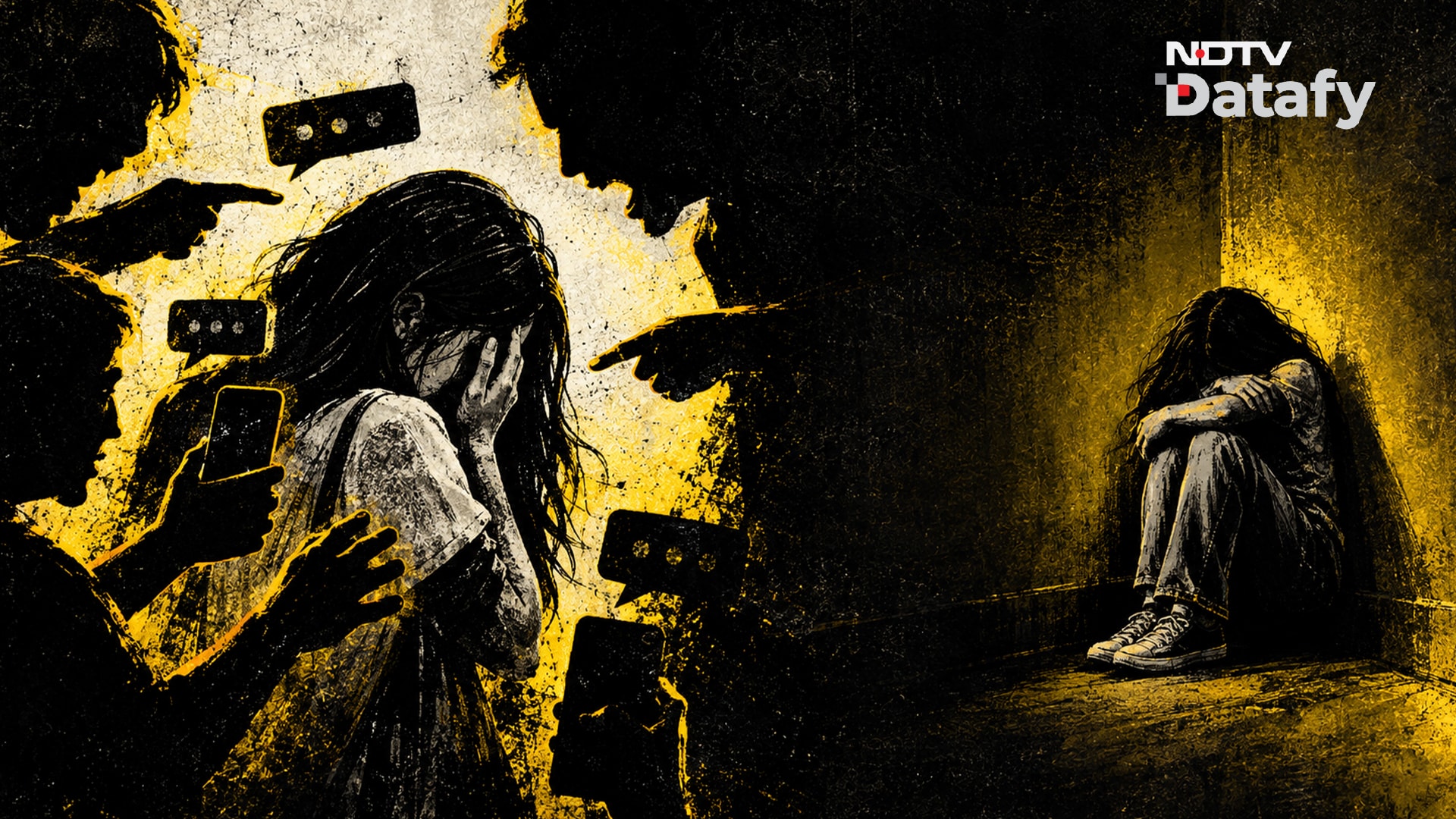
Sexual assault before the age of 18 is not a distant problem—it’s happening now, and it’s happening to one in eight girls worldwide, according to the latest UNICEF report. The study cites 370 million girls who have endured some form of sexual violence in childhood, a number that underscores the urgency of prevention and support.
The term "sexual assault" in this context covers both contact and non‑contact abuse, from rape to molestation and even non‑physical online exploitation. Knowing this breadth is key because the trauma can manifest as anxiety, depression, or post‑traumatic stress, affecting a child’s schooling, relationships, and future health.
Geographic gaps reveal stark differences: Sub‑Saharan Africa reports 79 million affected girls, while Eastern and South‑Eastern Asia account for 75 million, together making up 40 % of the global total. These numbers show that no region is immune, and local health systems must be ready to address the varied needs of survivors.
Online environments add a new layer of danger—20 million children aged 12‑17 in 21 countries have experienced digital sexual exploitation, according to a 2026 UNICEF study. This shows that safeguarding isn’t just about physical spaces; it extends to digital safety and cyber‑harassment prevention.
Legal protection is uneven: 1.8 billion women and girls, or 44 % of the global female population, live in countries lacking specific laws against cyber‑harassment or cyber‑stalking. Strengthening legal frameworks can deter offenders and give victims a clearer path to justice.
What can you do? Educate kids about body autonomy and safe internet use; establish open lines of communication so children feel comfortable reporting abuse; and connect survivors with mental‑health services that specialize in trauma. Advocacy for stronger laws and community programs also creates a safer environment for future generations.