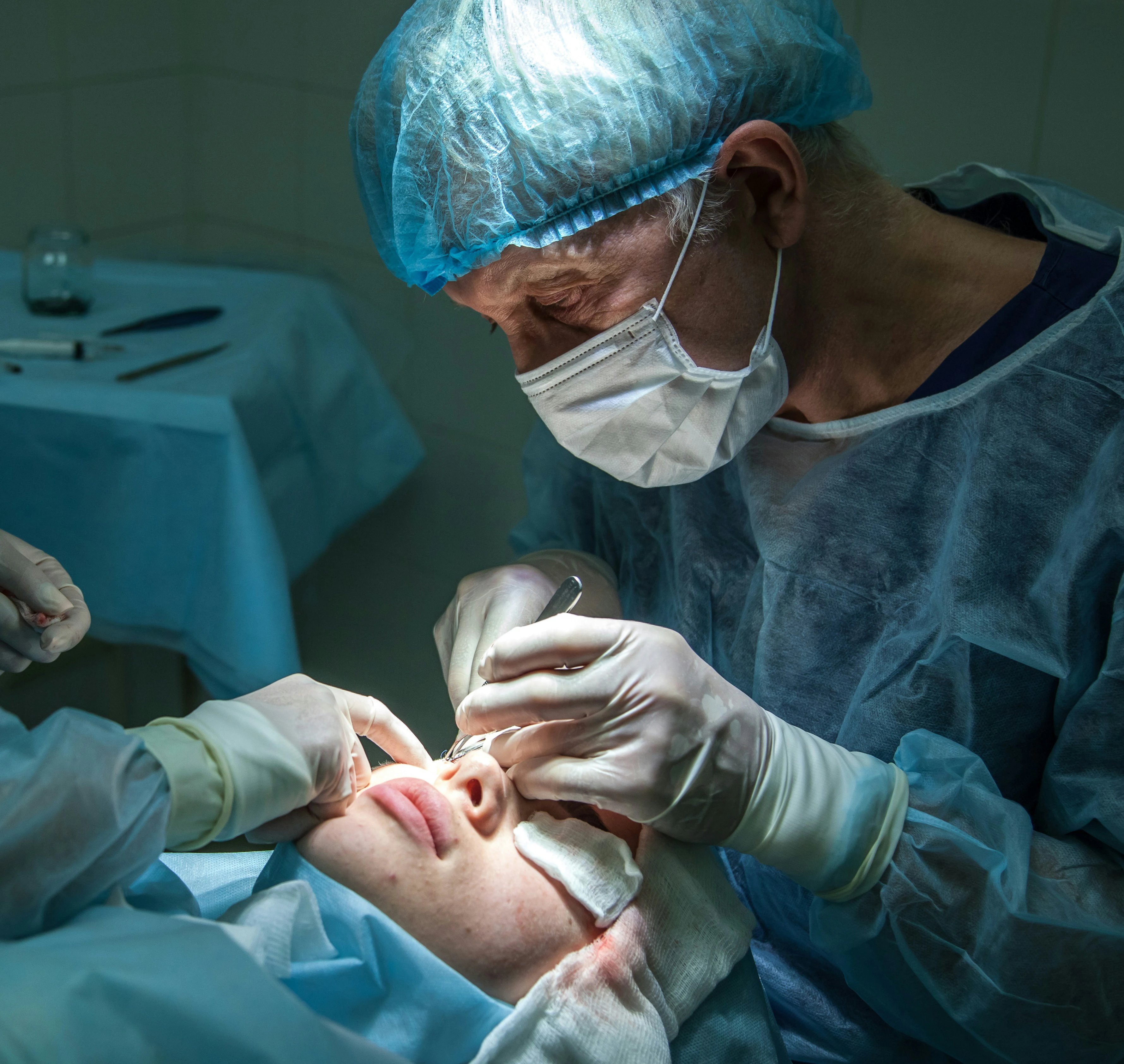
But the headline alone doesn’t give the full picture. Nikita Morgan, 31, from Dublin, paid €4,300 for a procedure in Ireland and then cut her price to €750 at a German clinic, only to wake up with intense pain, bleeding stitches, and an eye that wouldn’t close properly—she even had to tape her eye shut at night to keep it from opening.
A survey of 63 members of the British Oculoplastic Surgery Society revealed that the most common problem after overseas blepharoplasty is difficulty closing the eye. Other issues—excessive scarring, uneven eyelids, and wounds that reopen—were also reported. These findings underline that the appeal of a cheap fix can backfire when the surgeon cuts too much skin or doesn’t provide proper after‑care.
Eyelids need enough skin to cover and protect the eye; removing too much can leave the eye exposed, increase infection risk, and cause the wound to reopen when the eyelid moves. The surgeon’s local anaesthetic may mask pain during surgery, but the trauma can show up minutes later, especially if the patient flies home right away.
If you’re considering blepharoplasty, look for a board‑certified oculoplastic surgeon in your own country, read reviews, and insist on a detailed post‑operative plan. Avoid same‑day flights after the procedure, and schedule follow‑up visits to monitor healing. A small investment in a reputable clinic can save you months of complications and the cost of emergency care later.