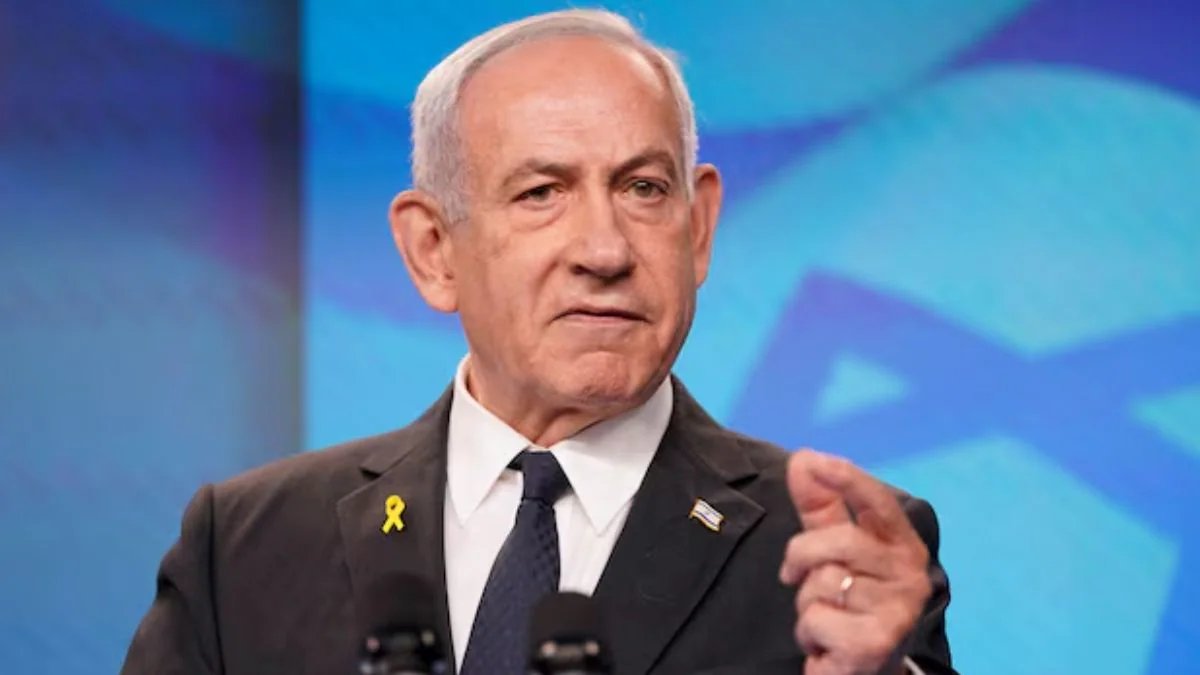
Benjamin Netanyahu is preparing to unleash what he describes as the largest Israeli military operation in the West Bank since 1967. The Prime Minister made the declaration on Friday, days before national elections, following a shootout near a checkpoint in Hebron that killed two soldiers and wounded three others. The two Palestinian gunmen responsible were killed in the ensuing firefight.
The threat is specific and brutal. Netanyahu stated that Israeli forces will enter the attackers' neighbourhood in Hebron, moving "house to house" to seize weapons and destroy "terrorist infrastructure." He explicitly ordered the evacuation of residents from these areas. This is not a vague threat; it is a direct order to displace civilians, a tactic previously deployed in the northern West Bank.
Defence Minister Israel Katz reinforced the plan on X, confirming that the "Jenin refugee camp model" is moving to Hebron. In January 2025, the "Iron Wall" operation in Jenin forcibly displaced tens of thousands of Palestinians. As of July, the UN reports that 33,362 refugees from three camps still cannot return to their homes. The military has demolished dozens of houses in these areas to create access routes for armoured vehicles.
Hebron’s social structure complicates the military’s entry. The city is governed by large, influential clans. Katz stated that every clan neighbourhood from which the attackers emerged would be evacuated. This targets the social fabric of the city, not just individual combatants. The military presence in Jenin and Tulkarem has already turned dense alleys into operational centres, a reality that is now heading south.
The timing is political. Netanyahu faces a tight race in the upcoming elections. By framing the response as a historic, pre-1967 scale operation, he appeals to nationalist voters. The international community is watching, but the ground reality is already shifting. The army is ready, as Netanyahu claimed, and the timing is set for the coming days.