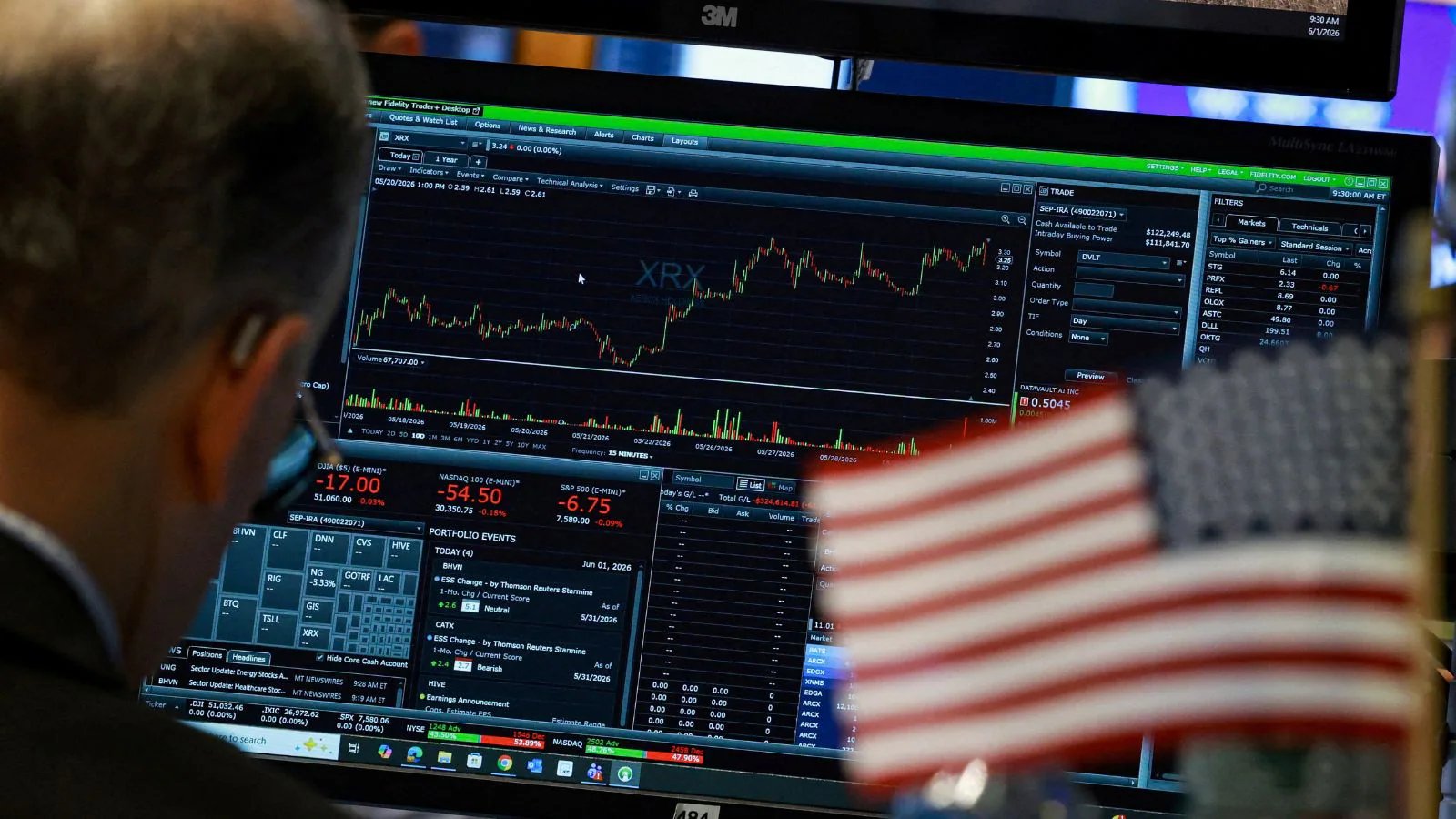
The numbers didn’t look good on paper. Nonfarm payrolls added a mere 29,000 jobs in September, a figure that missed every projection in the Bloomberg economist survey. But the market read it differently. Instead of panicking over a slowing labor market, traders saw a signal that the Federal Reserve might bail on its tightening bias. The S&P 500 climbed 0.7% on Friday, capping a week where the Nasdaq 100 surged 1% to clear its previous peak. The Dow Jones Industrial Average followed suit, up 0.5%, while the MSCI World Index ticked up 0.6%.
The disconnect between the data and the price action stems from a specific interpretation of the wage data. Average hourly earnings showed moderation, suggesting employers are still tightening their belts despite high operational costs. The unemployment rate ticked up to 4.2%, partly because more people are entering the labor force. This isn’t a collapse; it’s a cooling. And for the Fed, that’s the sweet spot. They want inflation down, not growth dead. The jobless rate rise is a side effect of a healthier labor supply, not a demand shock.
But don’t let the equity rally fool you into thinking the bond market is quiet. It wasn’t. Earlier in the week, 10-year Treasury yields hit their highest levels since 2002. That was a reaction to fears about persistent inflation, government spending, and the massive corporate debt pile-up to fund AI infrastructure. The bond market was screaming that the fiscal picture is grim. Equities, however, are betting the Fed will prioritize avoiding a recession over crushing inflation. It’s a high-stakes gamble. The 10-year yield spike was a warning shot that hasn’t been ignored, just discounted.
Adding fuel to the equity fire was a drop in oil prices. The G7 announced plans to release strategic reserves of diesel and crude, a move designed to cap energy costs. Lower oil prices directly hit the inflation math, giving the Fed more room to hold rates steady or even cut. This energy relief, combined with the soft jobs data, created a perfect storm for risk assets. Crude prices fell, sentiment lifted, and the Nasdaq ripped through its ceiling. It’s a classic risk-on setup, but one built on fragile ground.
What’s next? The market is now watching the Fed’s next move with laser focus. Futures are pricing in a probability below 25% for a rate hike in October. That’s a huge shift from the consensus a week ago. Investors are betting the Fed will look at this 29,000 number and say, “Okay, we’re done tightening.” But the bond market’s 2002 high yields suggest some traders aren’t convinced. The divergence between equity optimism and bond market caution is the story to watch. If the Fed signals any hawkishness in the coming days, this record-high Nasdaq could unravel fast. For now, the bulls are in control, but the bears have the inflation data in their hands.