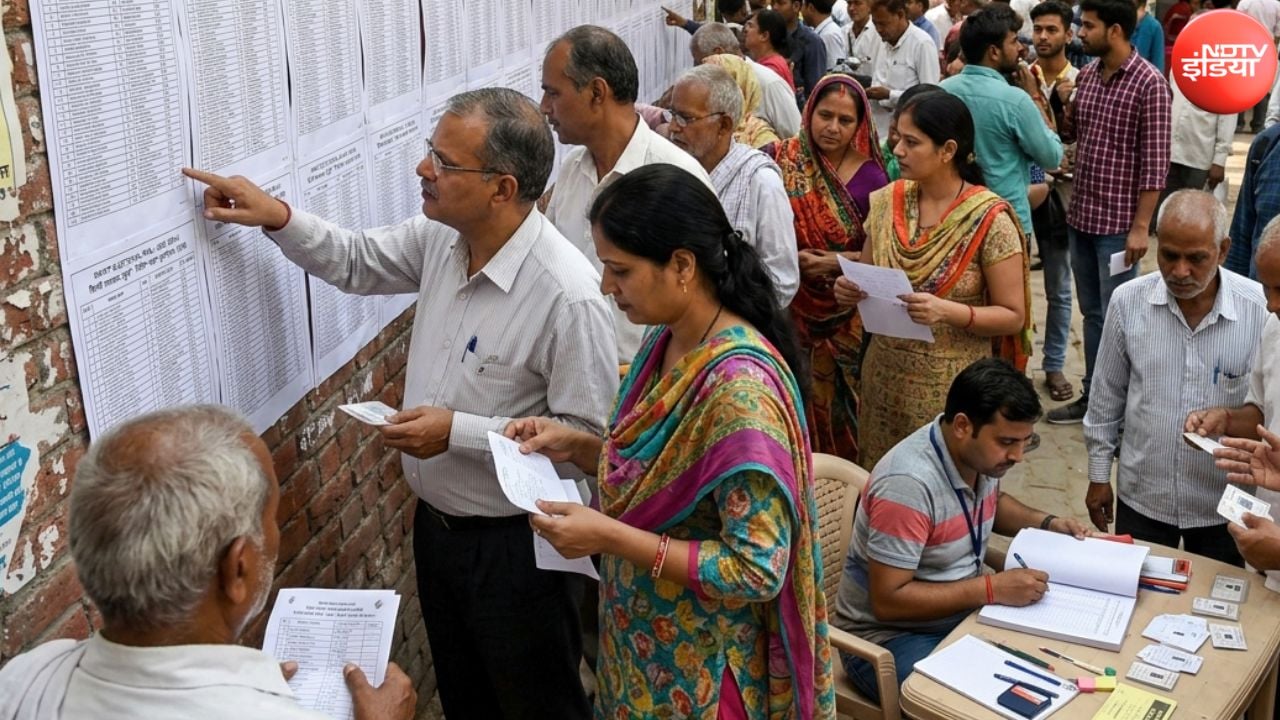
Bombay High Court division bench of Justices Amit S Jamsandekar and Valmiki Menezes heard a petition from Paresh Salgaoncar and five family members whose names vanished from the Santa Cruz voter rolls after they moved to a new house. The petitioners claimed their Form 8 address‑change requests were denied because of software glitches in the ERONET system, leaving the Election Commission to instruct them to submit Form 6, a form reserved for first‑time voters.
The SIR (Special Intensive Revision) exercise is supposed to keep the rolls current, but the court highlighted that Rule 21 of the Registration of Electors Rules, 1960 requires a hearing before any voter can be struck off. Forcing an existing voter to use a new‑voter form amounts to a false declaration and exposes them to legal risk.
The bench sharply criticized the ECI for ignoring the mandate that no eligible voter should be left out. ECI lawyer Gaurish Agni defended the commission’s guidelines, citing an earlier roll that was still in force, but the judges reiterated that a hearing must precede any deletion. The court warned that the SIR’s purpose is inclusion, not exclusion.
For the Salgaoncar family, the deletion means no voting rights in the forthcoming elections and a bureaucratic humiliation after living in Goa for three decades. Paresh Salgaoncar, 58, said the removal felt like a slap in the face, and the case underscores a wider problem of voter disenfranchisement amid digital roll‑maintenance.
The court has set a second session for Tuesday, where the ECI must present a remediation plan and restore the six voters’ names. Failure to comply could lead the bench to impose penalties or order a statewide audit of the SIR process.