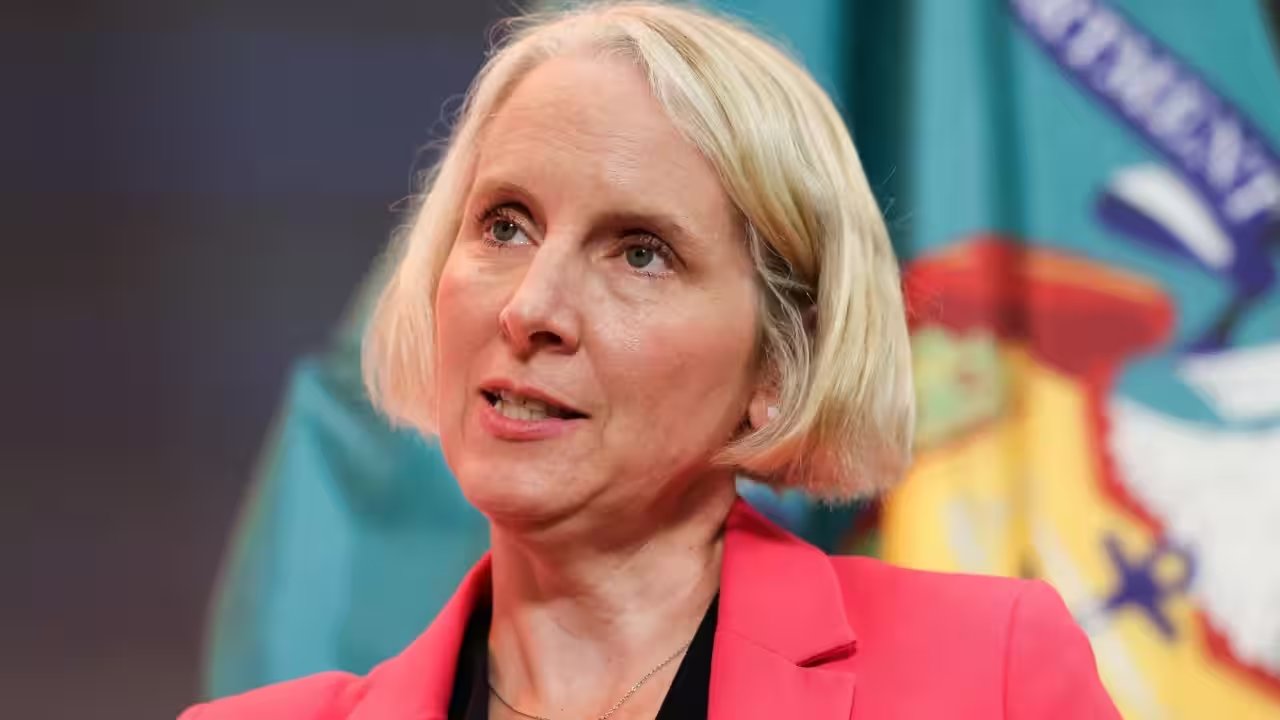
“I don’t think employers are working people; they are companies.”
That blunt declaration from Chief Secretary to the Treasury Emma Reynolds, delivered during a Sunday interview with GB News, has detonated a fresh political crisis for the Labour government. The comment was intended to clarify who benefits from the party’s manifesto promise not to raise taxes on “working people,” but it landed as a gaffe that alienated a core constituency: the small-business owners who employ staff.
The backlash was immediate and personal. Shadow business minister Bradley Thomas slammed the remark as “patronising” and “out-of-touch,” citing electricians taking on apprentices and shop owners hiring young staff for weekend shifts. Shadow work and pensions minister Helen Whately added that Labour’s stance revealed a fundamental misunderstanding that businesses are built through hard work, not just corporate structures.
This isn't just a semantic debate; it strikes at the heart of Labour’s 2024 economic credibility. The promise to protect “working people” from tax hikes became contentious after former Chancellor Rachel Reeves raised employers’ National Insurance contributions in October 2024. The main rate jumped from 13.5% to 15%, and the threshold above which employers pay the tax dropped from £9,100 to £5,000.
The government’s defense is technical: the rise applies to employers, not employees, so the pledge stands. A Treasury spokesperson insisted the government will not increase income tax, employee National Insurance, VAT, or Corporation Tax. But as opposition MPs pile on, Labour’s definition of who counts as a “worker” is now under intense public scrutiny.