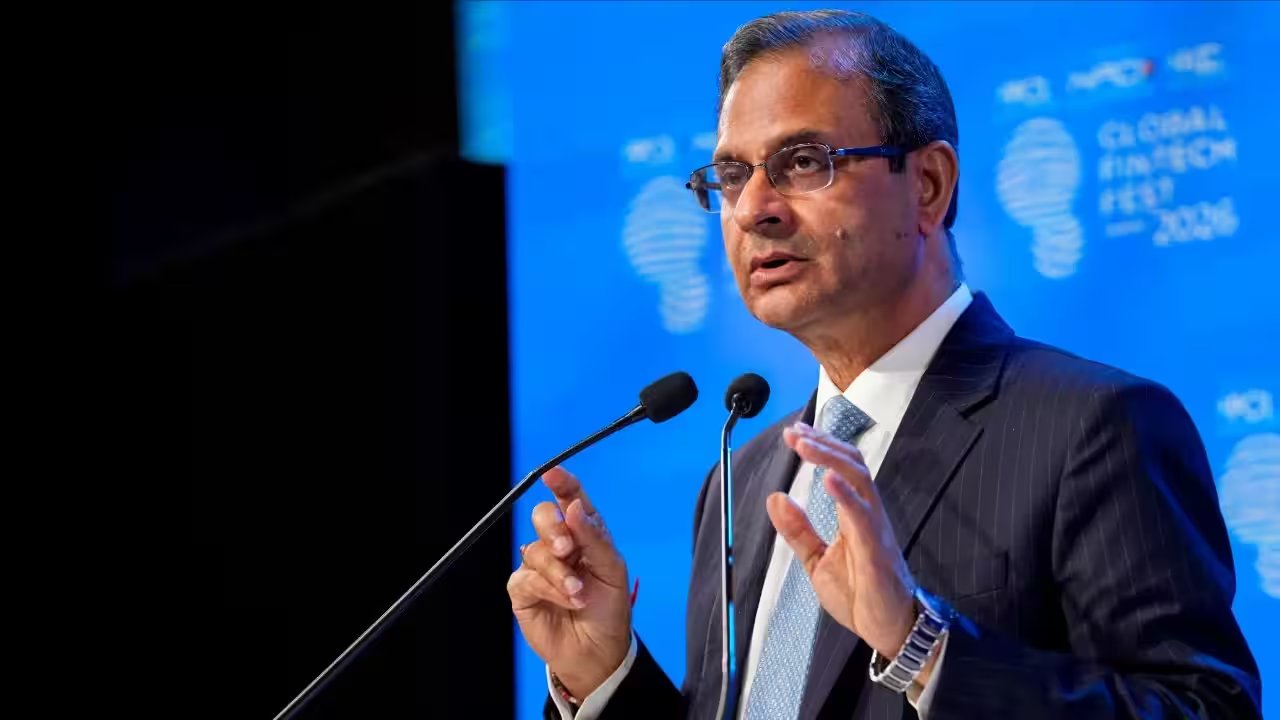
1 During the Kautilya Economic Conclave in New Delhi, Sanjay Malhotra, the RBI governor, cautioned that the country’s financial sector, though presently robust, may not be immune to future shocks. He highlighted that banks and non‑bank financial institutions (NBFCs) maintain healthy balance sheets, yet complacency could erode resilience.
2 Malhotra described a new breed of systemic threats that are increasingly exogenous, cross‑border, and interconnected. He warned that a geopolitical flare‑up, a cyber‑attack, or a technological failure could ripple through the system, undermining services even when domestic banks remain sound.
3 The governor called for a data‑rich monitoring framework, stressing that fragmented information on NBFIs, inter‑exposures, and cross‑border positions hampers accurate risk assessment. He urged RBI to adopt granular, real‑time data analytics to map network dependencies and contagion channels.
4 He emphasized that resilience cannot be confined to the banking sector. The RBI must strengthen payment systems, technology infrastructure, critical third parties, and cross‑border networks, ensuring that shocks do not cascade beyond banks.
5 While championing financial innovation—AI, tokenisation, new intermediaries—Malhotra warned that trust must not be compromised. He said that settlement finality, single‑currency integrity, and institutional soundness are non‑negotiable foundations.
6 The governor concluded that the RBI will convene a task force to devise a resilient‑framework policy, aiming for a system that can absorb both anticipated and unforeseen shocks. He urged policymakers to act now, lest the invisible threat become visible.