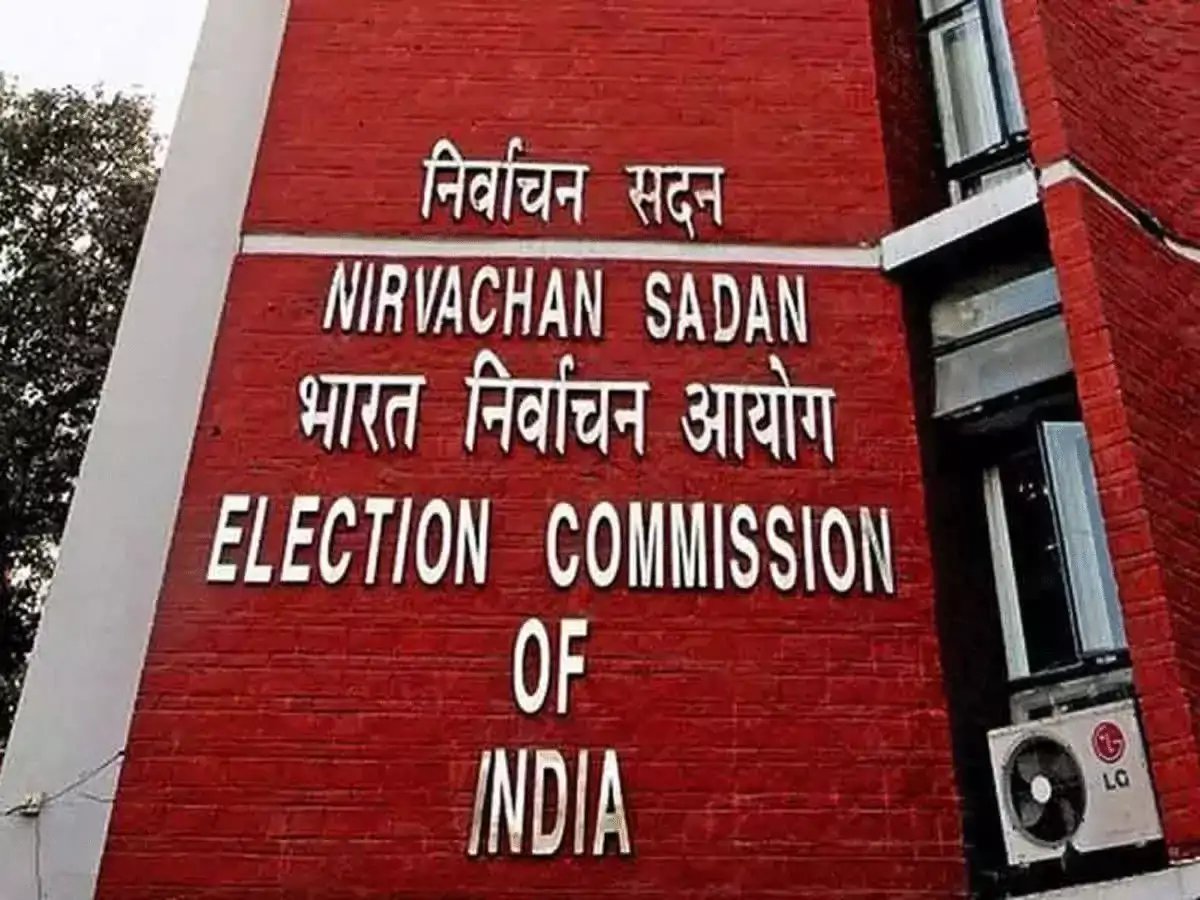
The Election Commission of India has set the schedule for biennial elections to Legislative Council seats reserved for graduates and teachers in Bihar, Karnataka, Maharashtra and Uttar Pradesh, with voting to take place on 23 October 2026 and counting on 27 October 2026.
Article 171 of the Constitution allows up to one‑twelfth of a Legislative Council to be elected by graduates who have held a degree for at least three years, and an equivalent proportion by teachers who have taught for at least three years in schools or higher‑education institutions. These special electoral colleges give the educated and teaching communities a distinct voice in state legislatures.
Only six Indian states—Andhra Pradesh, Bihar, Karnataka, Maharashtra, Telangana and Uttar Pradesh—have Legislative Councils, and members serve six‑year terms with one‑third retiring every two years, mirroring the Rajya Sabha’s rotation. Thus, the 2026 polls are part of a recurring cycle that keeps political parties in a constant contest for upper‑house influence.
The contests are often high‑stakes, as winning MLCs can tip the balance in a state’s upper house and indirectly affect the composition of the Rajya Sabha. Voter turnout tends to be lower than general elections because the electorate is a niche group of registered graduates and teachers.
With the announcement, the Model Code of Conduct will go into effect immediately in the four affected constituencies, restricting government decisions and campaign conduct until the elections conclude.