Tata Motors closed September 2026 with a total of 70,210 passenger vehicles, a 15% jump from last year’s 60,907 units. For buyers, this means the brand’s core models are not just selling; they’re pulling ahead in a crowded segment where many competitors struggle to hit double‑digit growth.
The surge isn’t limited to internal combustion engines. Tata’s electric lineup—Punch EV, Nexon EV, Tiago EV and others—posted 15,384 units in the same month, a 67% rise over September 2025. In Q2 FY27, EV sales hit 47,150 units, up 90% YoY, capturing 23% of the company’s total volume. For the tech‑savvy buyer, this translates into more options and a clearer path to an EV‑friendly future.
Domestic sales accounted for 68,810 of the total, up 15% YoY, while exports grew 13% to 1,400 units. The export uptick shows Tata’s footprint expanding beyond India, hinting that its vehicles are gaining traction in neighboring markets. Buyers in cities like Mumbai, Delhi and Bangalore can expect the same models to be more readily available this festive season.
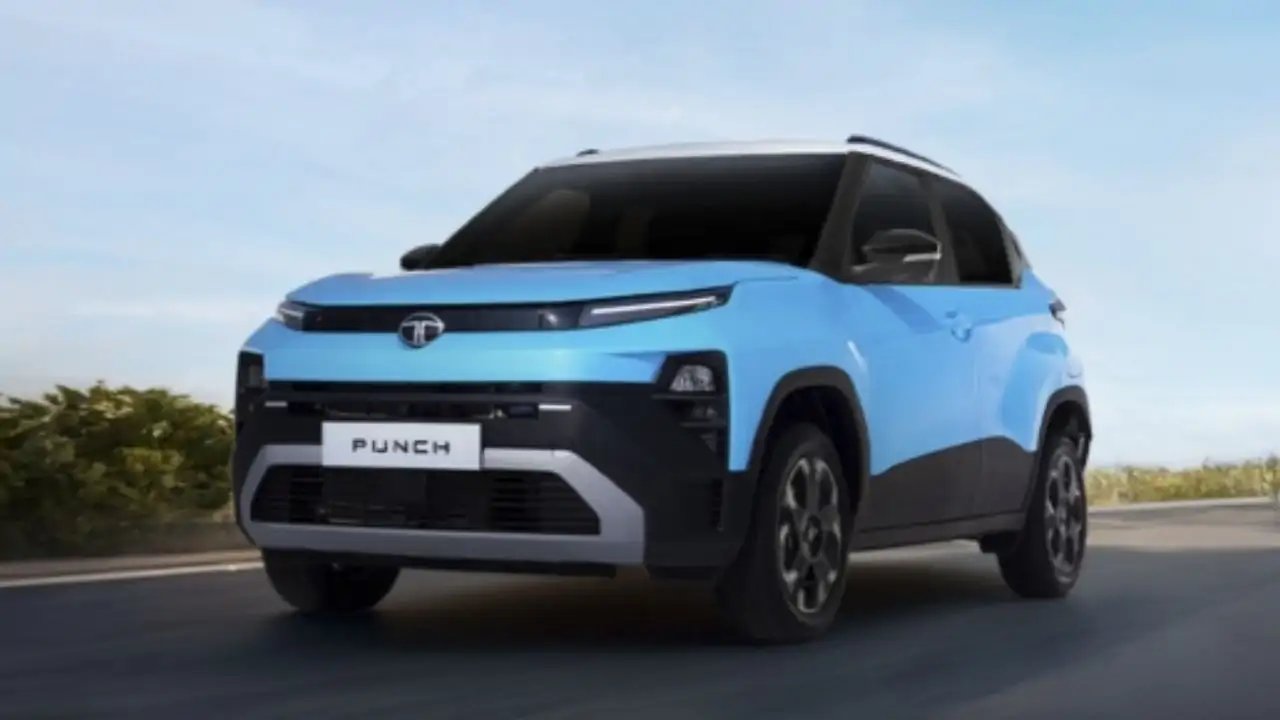
The Punch, crowned India’s highest‑selling SUV in Q2 FY27, continues to dominate the low‑to‑mid‑range segment. Its strong sales suggest that buyers value its blend of price, space and reliability—a formula that rivals like the Mahindra XUV700 and Hyundai Creta are still chasing.
Looking ahead, Tata is expected to roll out new variants of the Punch and Nexon in the coming months, with a focus on battery‑grade and connectivity upgrades. If the company continues its current trajectory, buyers can anticipate fresh options in major metros by early 2027, keeping the brand at the forefront of India’s shifting automotive landscape.