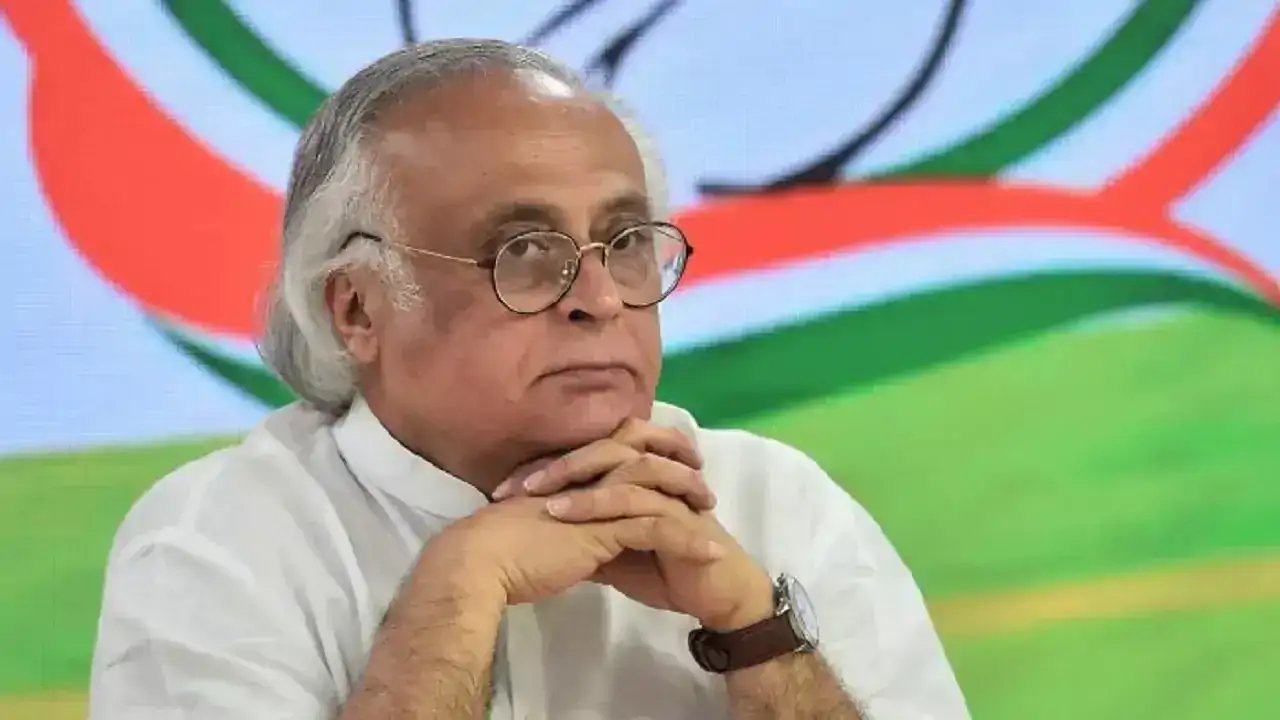
On Sunday, Jairam Ramesh took to X to accuse the Election Commission of India of keeping the ECINET software it uses for the Special Intensive Revision (SIR) under wraps, and demanded that Chief Election Commissioner Gyanesh Kumar step down. He said the commission had denied an RTI request for the software’s specifications, even though Tata Consultancy Services had revealed that it had built the system. Ramesh called the lack of transparency a threat to the credibility of the electoral rolls.
Ramesh cited a report by a leading national daily that the ECI had refused to disclose whether artificial‑intelligence algorithms were in play or what safeguards were in place. He noted that senior Election Commissioners Sukhbir Singh Sandhu and Vivek Joshi had lodged objections over the software and that the complaints had reached the Department of Personnel and Training, a ministry under the Prime Minister’s charge.
The allegations follow a broader criticism that the SIR exercise is being conducted in a way that could manipulate the voter database. "Without public knowledge of the tools, confidence in the rolls is eroded," Ramesh said in his post. He warned that any undisclosed AI could skew the results, depriving voters of a fair ballot.
Congress has amplified the protest, calling for a massive rally at Delhi’s Ramlila Maidan on November 1 to demand the CEC’s resignation and the suspension of the SIR. Local shopkeeper Arun Gupta, who sells electoral pamphlets, said, "If the rolls change without our knowledge, people will lose their names and the system will feel even more corrupt." The rally is expected to draw thousands of Congress volunteers and allied party cadres.
The Election Commission has yet to issue a formal response to Ramesh’s accusations. No spokesperson has confirmed whether the software incorporates AI or what safeguards exist. The commission is expected to reply to the RTI petition before the end of the week.
The outcome of the rally could prompt a judicial review of the SIR process, and the opposition may file a public interest litigation seeking a nationwide halt to the revision until the software’s details are disclosed. Meanwhile, voters across the country are watching closely, hoping the dispute will not derail the upcoming general elections slated for 2029.