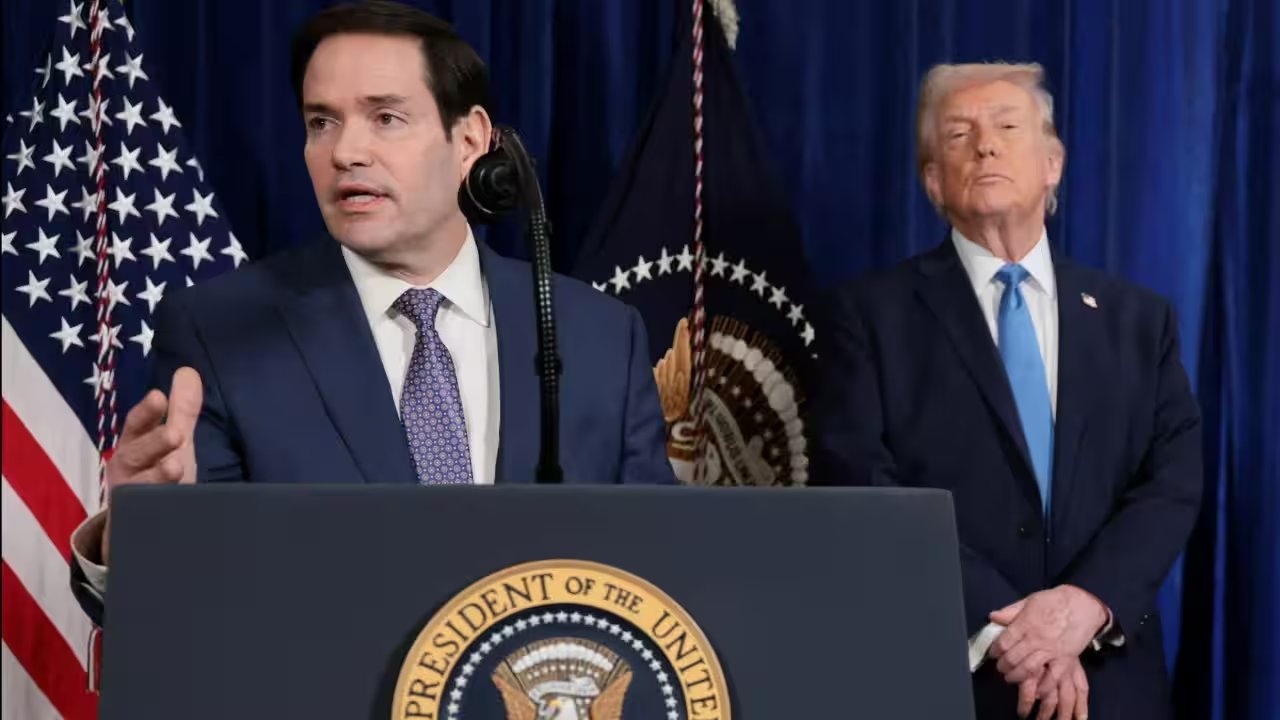
On May 28, President Donald Trump signed an executive order waiving portions of the Lindsey O Graham Sanctioning Russia and Iran Act that would have imposed up to 100% tariffs on goods from India and China. The order, invoked under Section 115, suspends duties that could have raised import costs by half a million percent on Russian‑origin products. The waiver applies only to the provisions targeting the five largest buyers of Russian crude and natural gas.
Trump said the pause allows a 60‑day period to assess the economic implications of targeting nations that still import Russian energy. He highlighted India’s continued dependence on Russian crude, noting that a sudden shift could destabilize one of Washington’s key partners in South Asia. The administration is also weighing the broader geopolitical risks that could amplify the impact on global markets.
Officials cited mounting pressure on energy supplies from the Saudi‑Houthi conflict, the Strait of Hormuz, and recent Russian attacks on Ukrainian infrastructure that have already pushed prices higher. The Treasury Department’s analysis will factor in how tariff enforcement could ripple through supply chains for the world’s largest oil consumers. Analysts warn that a misstep could spark retaliatory measures from Russia or China.
Trump has scheduled a visit to India later this month, including a stop in Jamnagar to meet refinery executives. Meanwhile, Congress will review the certification Trump submitted under Section 115, and the administration is expected to report its findings on June 30. The decision to delay the tariff hike will be revisited in the next presidential briefing.