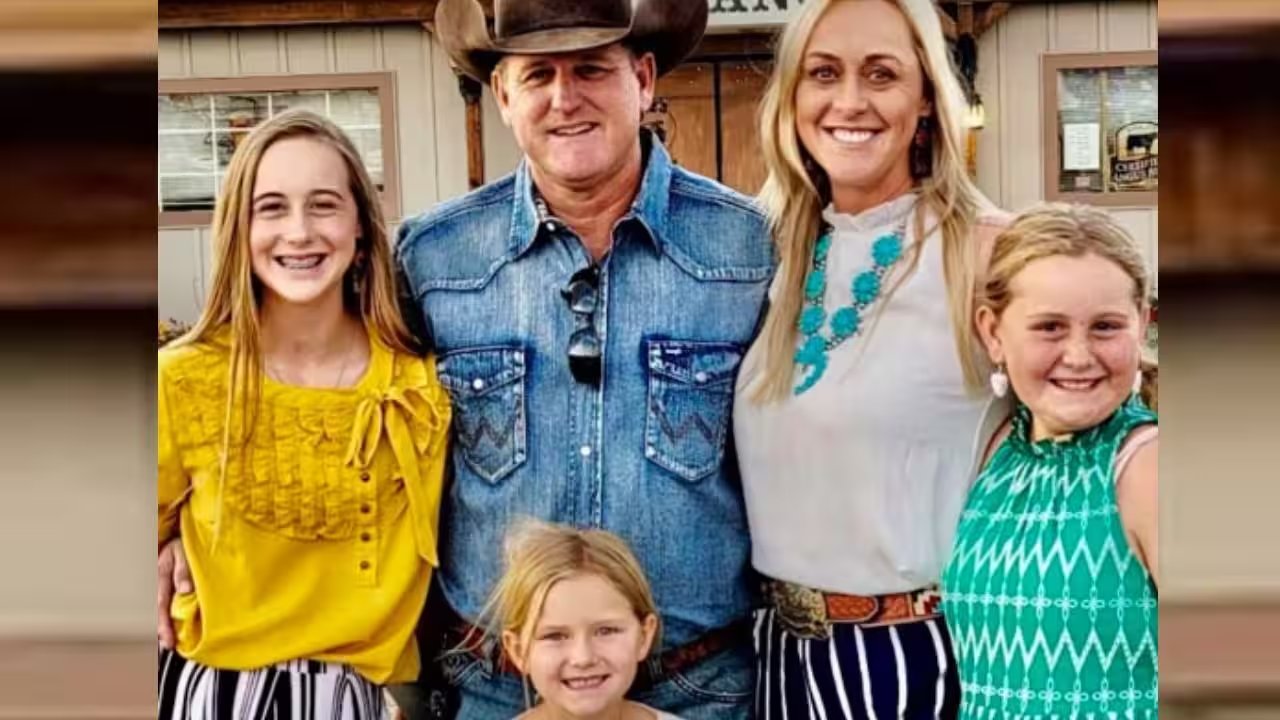
Weld County commissioners voted 3-2 on Wednesday to approve the Chalk Bluffs Energy Project, handing Scott Salo a victory he has chased for nearly a decade. The decision clears the path for 79 wind turbines and associated infrastructure on Salo’s 7,000-acre property in northern Colorado. It marks a sharp reversal from the oil and gas developments that previously consumed his land and resources.
The fight began in 2017 when an oil company sought to place drilling pads on Salo’s ranch to access reserves under neighboring conservation easements. Because the previous owner had sold the mineral rights, Salo faced a "split estate" scenario where he owned the surface but not what lay beneath. He spent $50,000 on legal fees to negotiate an agreement, describing the process as a relentless pressure campaign by company lawyers. "They threatened and threatened and threatened," Salo said, noting that the rules favored the extractive industry despite his opposition.
Today, more than 350 acres of the ranch are mapped for roads, well pads, and compressor stations. Pump jacks are visible from the farmhouse, and traffic flows across the property 24/7. This disruption defined Salo’s experience with fossil fuels, making the 2023 approach from Chalk Bluffs Wind LLC, a subsidiary of Utah-based Enyo Power Partners, a pivotal counter-narrative. The planned project spans roughly 25,000 acres, with potential capacity for 380 megawatts of wind, 425 megawatts of solar, and 500 megawatts of battery storage.
Opposition via the "Save the Chalk Bluffs" campaign argued the project would harm pronghorn migration and raptor habitats, with nearly 50 people testifying against it during a nine-hour hearing. Commissioner Jason Maxey voted against approval, questioning whether a massive industrial project fit the county’s agricultural preservation goals. Yet, Salo countered that his neighbors had already benefited financially from oil royalties while he bore the surface disturbance. "How is it ok for them to extract the energy they're getting paid for and disturb the surface on us, but it's not ok for us to sell wind?" he asked.
The income from leasing 18 acres for the wind project is not about profit; it is about survival. Salo said the funds will help him purchase more land and cattle, ensuring his three daughters—who have straight A’s but no desire for college—can return to the ranch without crushing debt. "That's why we're losing so many agricultural young people," he said. The next step involves finalizing the lease agreement and addressing the specific turbine relocations recommended by Colorado Parks and Wildlife to protect wildlife corridors.