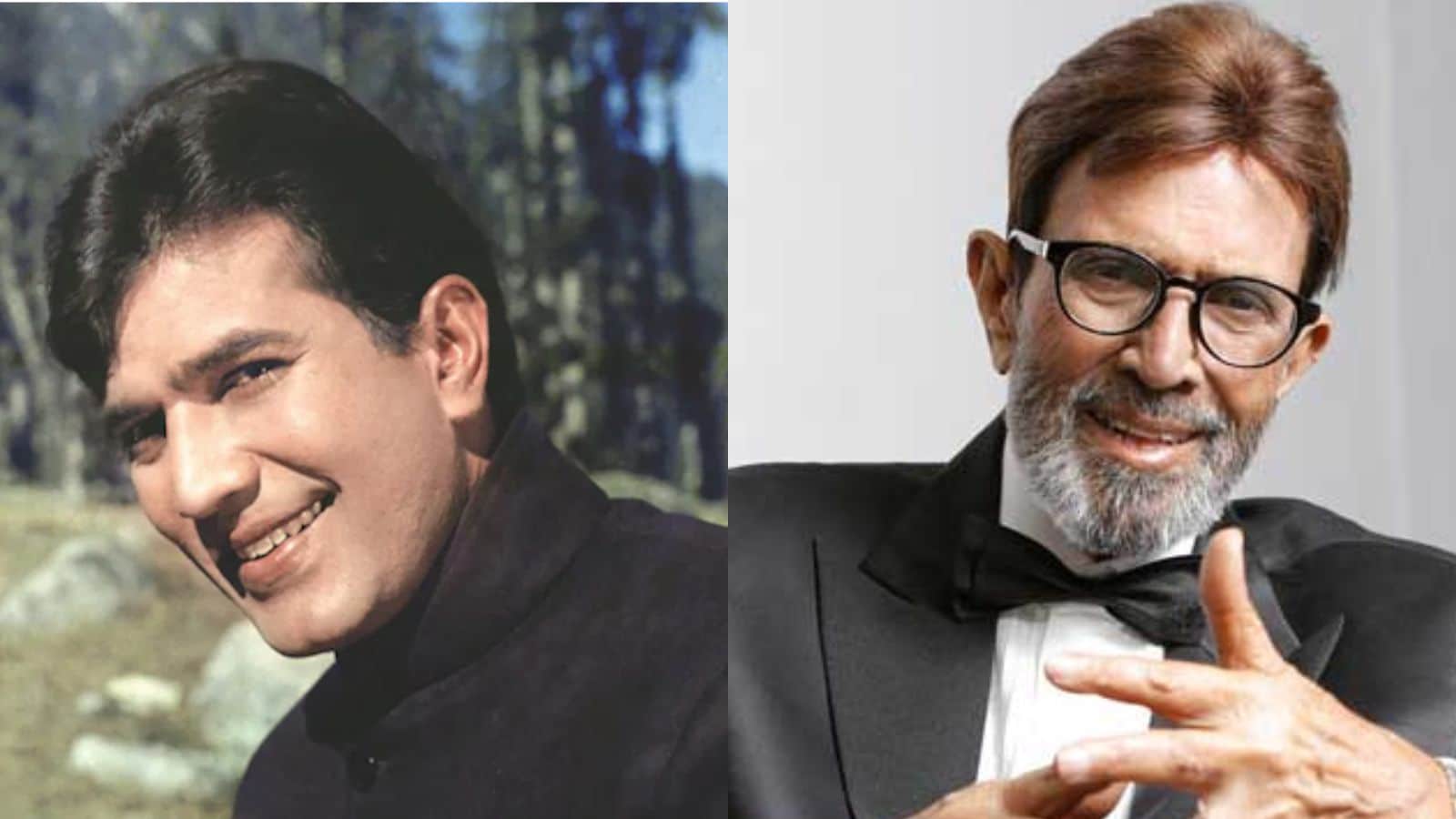
But it wasn’t a sudden drop in talent that alarmed Anandji, it was the sudden drop in respect. The veteran, who co‑composed the haunting score for Raaz, first noticed the shift when Khanna started arriving to the studio with an empty bottle instead of a metronome.
And when the duo pushed Khanna into Sachaa Jhutha, distributors whispered, "Kaunsa ghoda chalne wala hai?"—a line Anandji later quipped was a nod to his own astrology‑based predictions. Yet, by 1972, the star’s on‑screen bravado had become a backstage drama.
During the shoot of Joru Ka Ghulam, Anandji’s patience snapped. He remembers a scene where Khanna, after a rehearsal, declared, "I won’t do the song." He told the composer, "If you don’t want to sing, just skip it." The incident left Anandji stunned, but it was the first crack in the actor’s façade.
Later, while reviewing a track for Dushman, Khanna whistled and walked off, leaving the composer baffled. He later asked, "Do you know how a song fits a scene?" Anandji’s reply was a reminder: music serves the story, not the ego. That conversation was a turning point for both men.
When they crossed paths again a few years later, Khanna, now a shadow of his former self, asked Anandji if his anger had subsided. The composer replied bluntly, "It’s pointless. You’ve lost the spark that once made us shine." The reunion underscored a harsh truth: fame can be a double‑edged sword, and the industry pays the price when stars forget their roots.