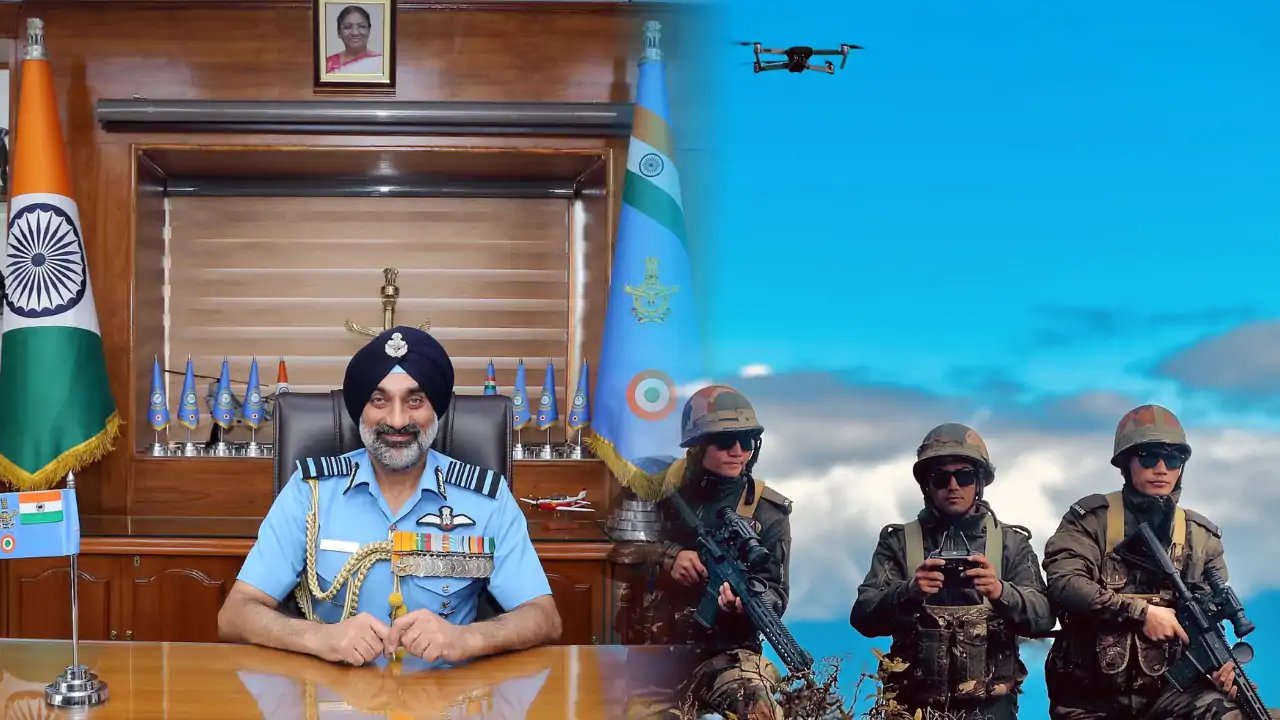
On March 15, Air Chief Marshal AP Singh told reporters in New Delhi that the Indian Air Force would not establish a dedicated drone unit. He said the drones currently belong to existing formations and that weaving them into fighter‑jet squadrons will make them more lethal.
Singh described unmanned systems as evolutionary, not revolutionary, and added that the service is boosting the number and variety of drones and loitering munitions in its inventory. The chief emphasized that integrating drones with other weapons will create a more cohesive battlefield platform.
While the IAF prefers integration, the Indian Army has set up a specialised Baaz Battalion under the 11 Corps to field long‑range drones. In addition, Ashni Platoons in infantry battalions, Shaurya Squadrons with armoured units, and Divyastra Batteries for loitering‑munition operations illustrate a different organisational approach.
The IAF plans to raise its drone fleet to over 200 units by 2026, and will expand specialised units if operational demands rise. This move dovetails with the Army’s dedicated drone formations, but keeps the IAF’s unmanned assets as an integral part of its combat ecosystem.
For soldiers in the 11 Corps, the Baaz Battalion promises faster battlefield intelligence, yet IAF personnel stress that the integration of drones with fighter jets will keep pilots and drone crews working side‑by‑side on the front line.